
Sunset Silhouettes: Capturing Striking Visuals
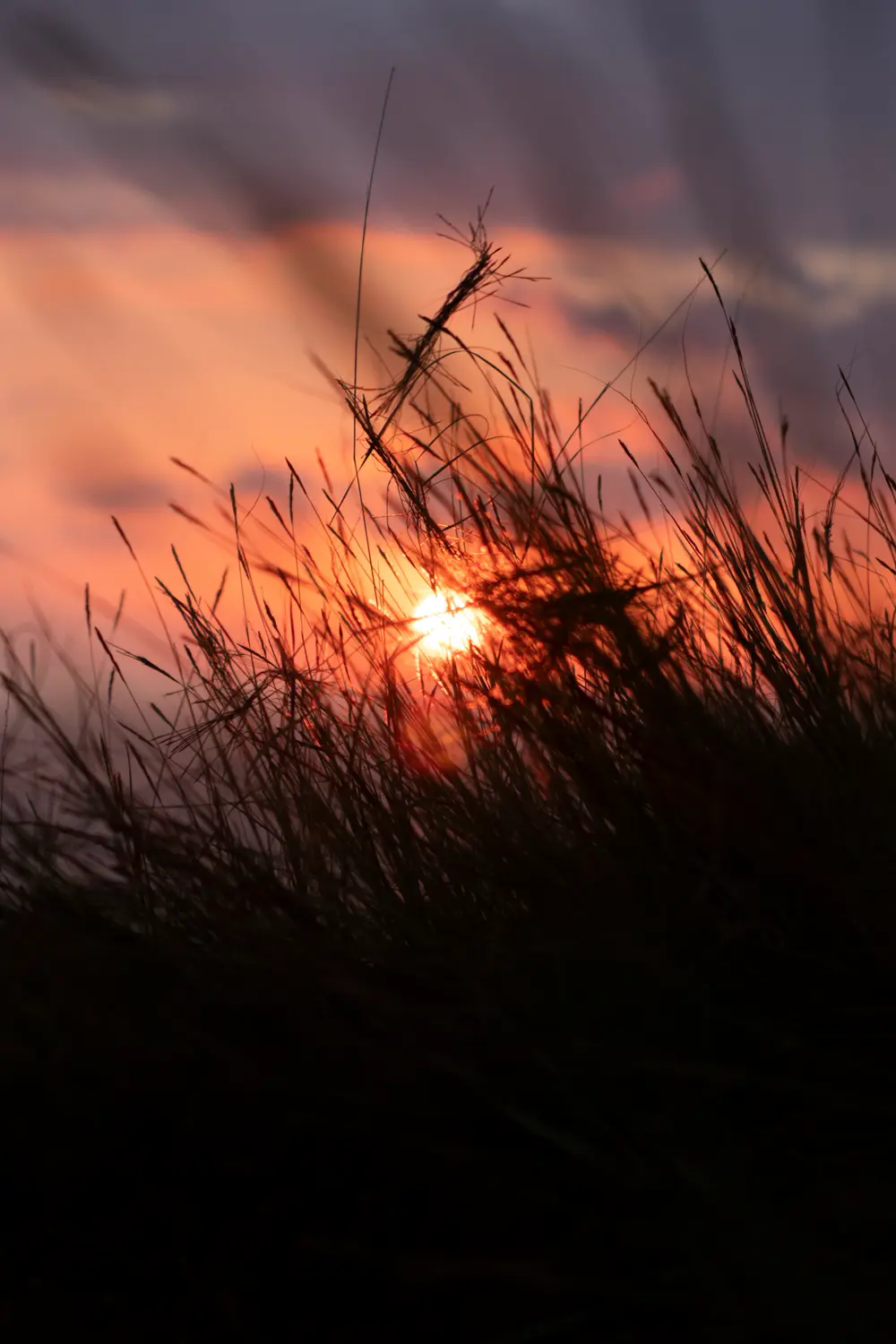
The allure of a sunset is universal. But when combined with the dramatic effect of silhouettes, the result is a truly captivating image. Sunset silhouettes aren’t just aesthetically pleasing; they evoke feelings of peace, mystery, and wonder. This guide explores the art of capturing stunning sunset silhouettes, covering everything from ideal locations and timing to camera settings and composition techniques.
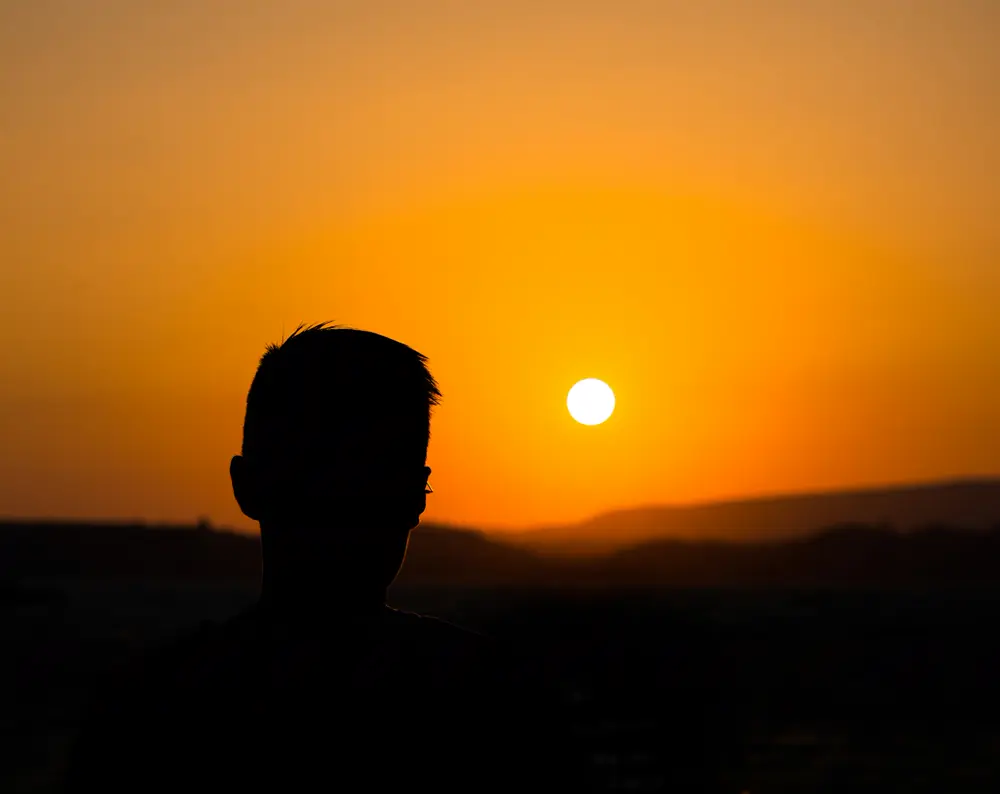
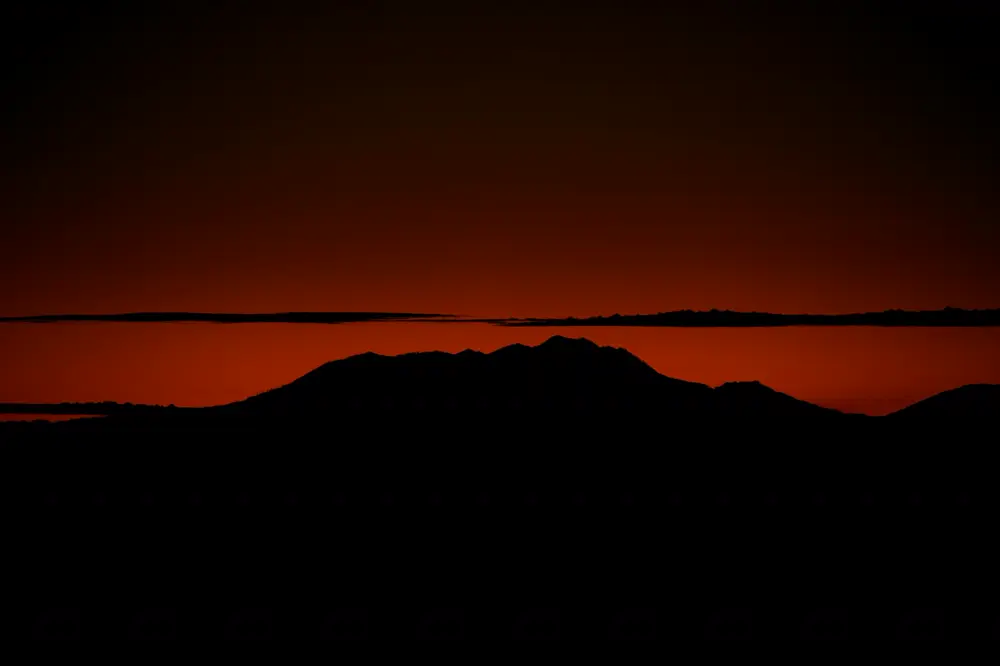
Creating a successful silhouette image relies on a simple principle: a bright background and a dark subject. The sun, nearing the horizon, provides the perfect bright backdrop, while objects or people positioned in front of it become dark, defined shapes. This contrast is what makes silhouettes so visually striking.
Understanding the Fundamentals
Before diving into the technical aspects, it’s important to understand the core elements that contribute to a great silhouette. The key is maximizing the contrast between the background and the subject. This means ensuring the background is significantly brighter than the foreground. A clear horizon line is also crucial, as it provides a clean separation between the sky and the land, enhancing the silhouette’s impact.
Choosing the Right Location
Location plays a vital role. Look for scenes with interesting shapes and forms that will translate well into silhouettes. Consider these options:
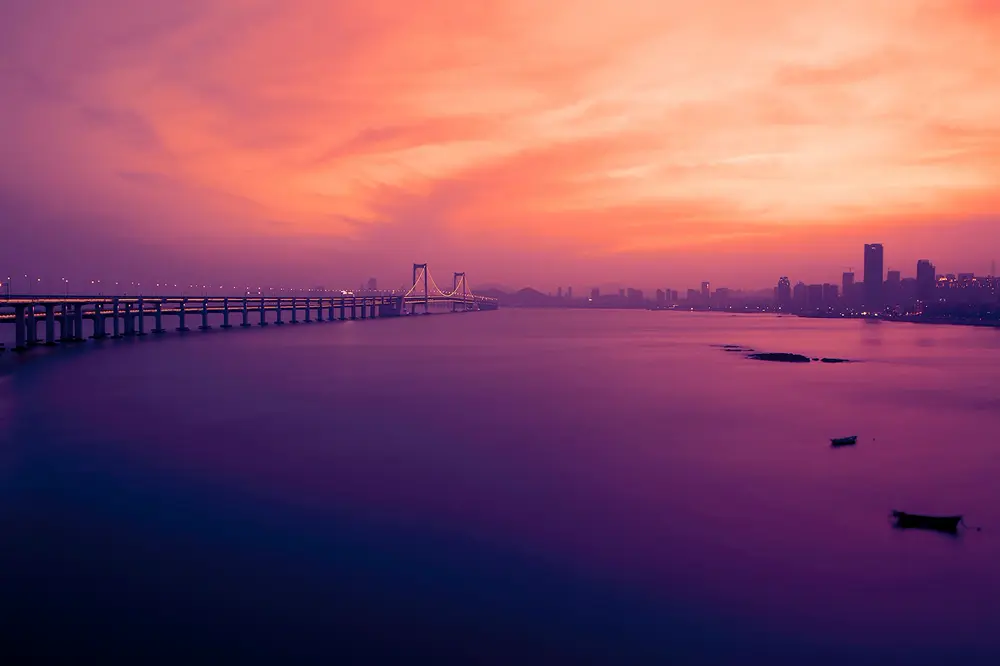
- Cityscapes: Buildings, bridges, and skylines offer strong, recognizable silhouettes.
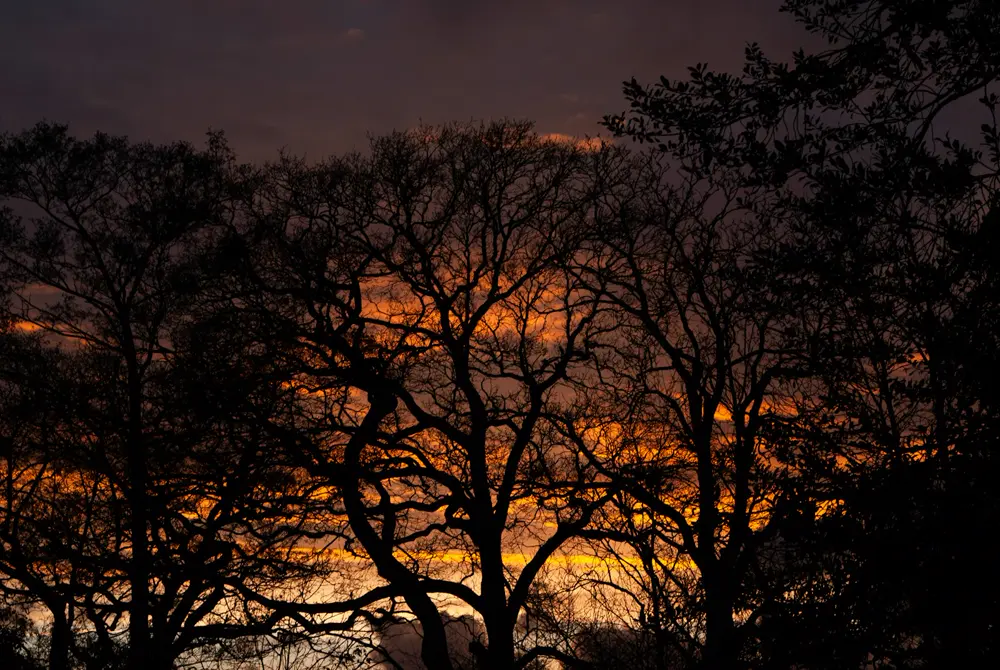
- Natural Landscapes: Trees, mountains, hills, and rock formations create organic and dramatic shapes.
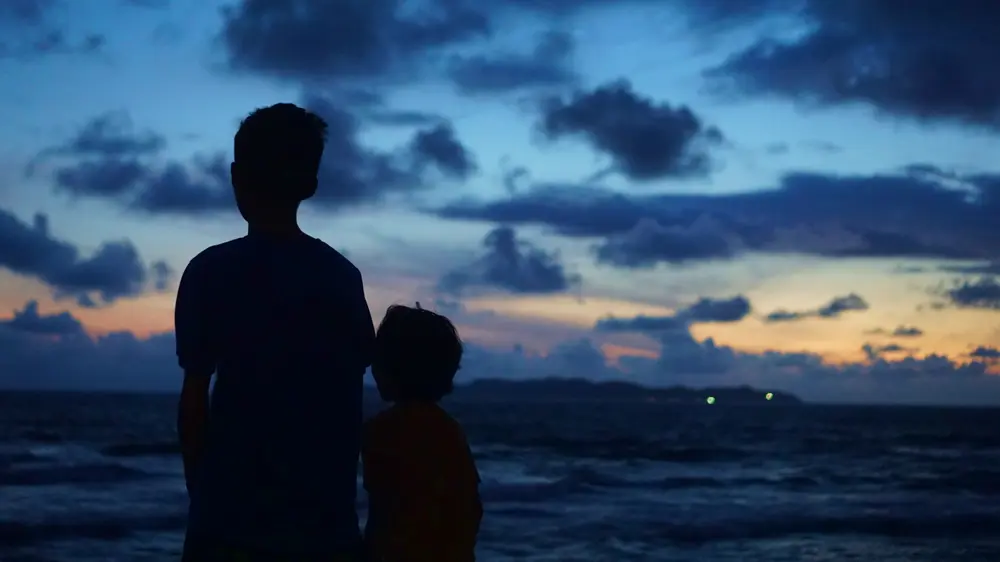
- Coastal Areas: Palm trees, boats, and piers against the setting sun are classic silhouette subjects.
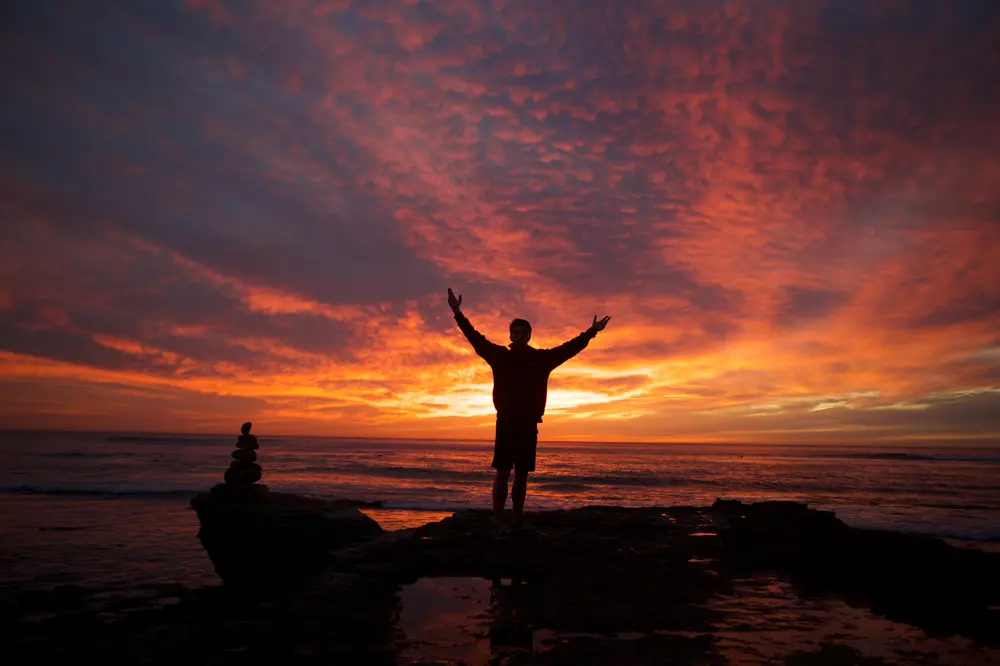
- People: Silhouetted figures can add a sense of scale and emotion to a landscape.
Scouting locations beforehand is highly recommended. This allows you to visualize potential compositions and identify any obstacles that might interfere with your shot. Sometimes, a slight change in position can dramatically improve the silhouette’s impact.
Timing is Everything
The “golden hour” – the period shortly after sunrise or before sunset – is the ideal time for silhouette photography. During this time, the sun is low on the horizon, casting a warm, soft light. The light is diffused, reducing harsh shadows and creating a beautiful, even background. The closer the sun gets to the horizon, the more dramatic the silhouette will become. However, be mindful that the window of opportunity is relatively short, so be prepared to work quickly.
Camera Settings for Silhouettes
Achieving a proper silhouette requires specific camera settings. Here’s a breakdown:
- Shooting Mode: Manual (M) mode gives you full control over your camera settings.
- Aperture: A narrow aperture (e.g., f/8 to f/16) will ensure that both the background and the subject are in focus.
- Shutter Speed: Adjust the shutter speed to properly expose the background. You want the sky to be bright and vibrant, not underexposed.
- ISO: Keep the ISO as low as possible (e.g., ISO 100) to minimize noise.
- Metering Mode: Spot metering is useful for measuring the light from the sky, ensuring it’s properly exposed.
- Focus: Focus on the brightest part of the sky, not the subject.
Don’t be afraid to experiment with different settings to find what works best for your specific scene. Reviewing your images on the camera’s LCD screen and making adjustments is crucial. If the subject isn’t dark enough, try decreasing the exposure compensation. If the background is too bright, increase it slightly.
Composition Techniques
A well-composed silhouette is more than just a dark shape against a bright sky. Consider these techniques:
- Rule of Thirds: Position your subject along the lines or at the intersections of the rule of thirds grid.
- Leading Lines: Use natural lines (e.g., roads, fences, rivers) to draw the viewer’s eye towards the silhouette.
- Negative Space: Utilize empty space around the silhouette to create a sense of balance and emphasize the subject.
- Simplify: Avoid cluttered backgrounds. A clean, uncluttered sky will make the silhouette stand out more.
Sometimes, adding a human element can enhance the emotional impact of a silhouette. A lone figure gazing at the sunset, for example, can evoke feelings of solitude and contemplation. If you’re interested in learning more about landscape photography, you might find resources on landscape photography helpful.
Post-Processing Tips
While a well-executed silhouette requires minimal post-processing, a few adjustments can enhance the final image. In your editing software, you can:
- Increase Contrast: Slightly increasing the contrast can further define the silhouette.
- Adjust Highlights and Shadows: Fine-tune the highlights and shadows to achieve the desired look.
- Color Grading: Experiment with color grading to enhance the mood and atmosphere of the image.
Be careful not to overdo the post-processing. The goal is to enhance the natural beauty of the silhouette, not to create an artificial-looking image.
Conclusion
Capturing stunning sunset silhouettes is a rewarding experience. By understanding the fundamentals of light, composition, and camera settings, you can create images that are both visually striking and emotionally resonant. Remember to experiment, be patient, and most importantly, have fun! The beauty of sunset silhouettes lies in their simplicity and their ability to transform ordinary scenes into extraordinary works of art. Exploring different techniques, like long exposure, can also add a unique touch to your photography.
Frequently Asked Questions
What time of day is best for silhouette photography?
The golden hour – shortly after sunrise or before sunset – is ideal. The low angle of the sun creates a bright background and allows your subjects to appear as dark silhouettes. The light is also softer and more diffused during this time, resulting in more pleasing images.
Do I need a professional camera to take good silhouettes?
While a DSLR or mirrorless camera offers more control, you can absolutely capture stunning silhouettes with a smartphone. Most smartphones have a manual mode or allow you to adjust exposure. Focus on finding a strong contrast between the background and your subject.
How can I make sure my subject is completely black in the silhouette?
Ensure the subject is positioned between the camera and the bright light source (the sun). Use spot metering on the sky to expose for the background, which will naturally darken the subject. Lowering the exposure compensation can also help.
What kind of subjects work best for silhouettes?
Subjects with distinct shapes and outlines work best. Think trees, buildings, people in interesting poses, or objects with unique forms. Avoid subjects that are too complex or lack a clear silhouette.
Can I edit a regular photo to look like a silhouette?
Yes, but it’s more challenging than shooting a silhouette directly. You’ll need to significantly reduce the exposure and increase the contrast in post-processing. The results may not be as clean or natural-looking as a properly exposed silhouette.
Related posts:
Found a favourite here? Gold Clouds Wallpaper Themes: Elevate Your Digital Aesthetic is the natural next stop on this trail.
Bookmark this collection so your next wallpaper swap is one click away.
