
Arcade Cabinets: A History & Guide
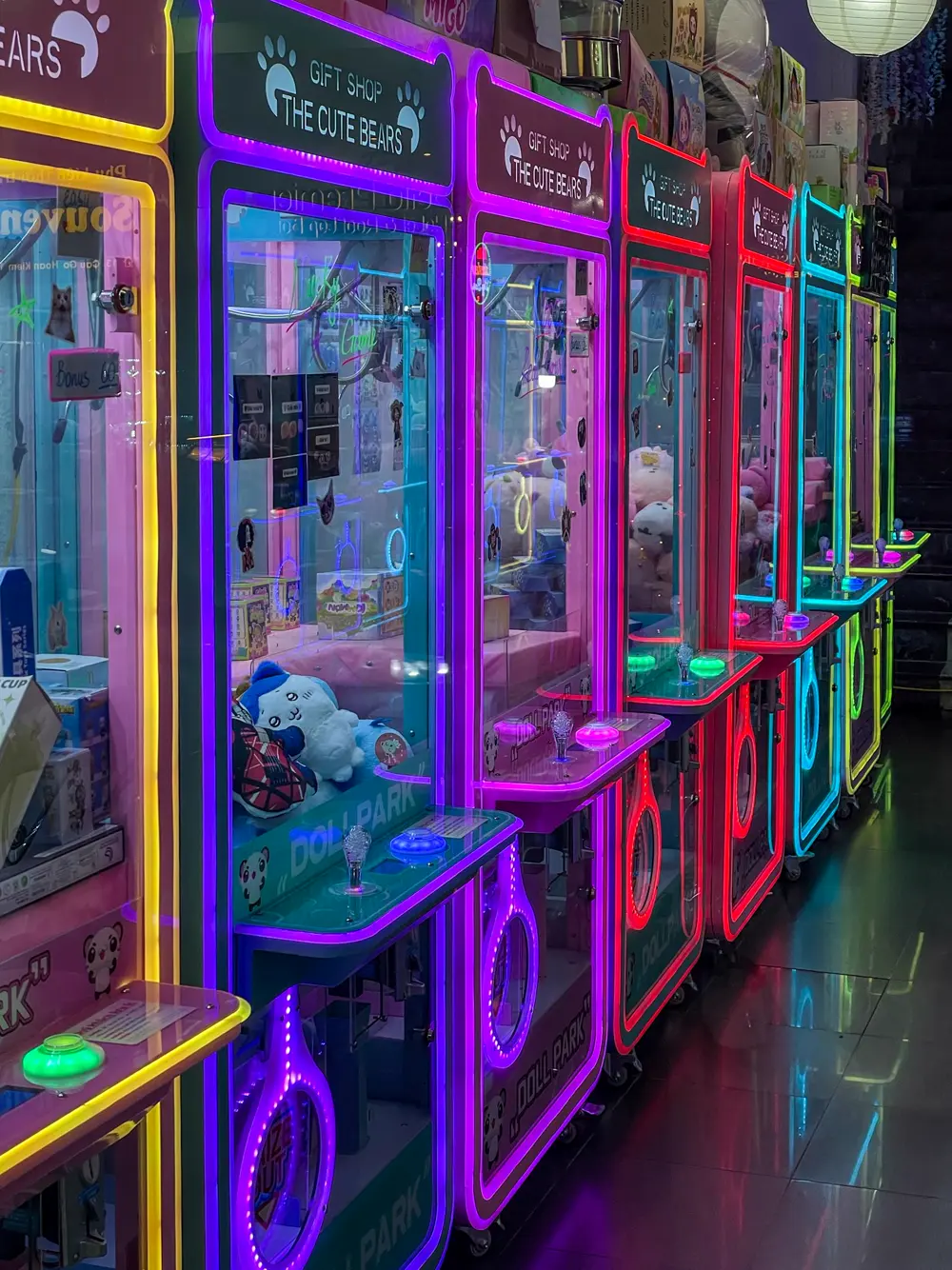
Arcade cabinets evoke a strong sense of nostalgia for many, recalling simpler times spent in dimly lit arcades, challenging friends, and chasing high scores. But beyond the fun, these machines represent a fascinating piece of technological and cultural history. This article explores the evolution of arcade cabinets, from their early beginnings to their modern resurgence, and provides a guide for those interested in collecting or building their own.
The golden age of arcades was a unique period, fueled by innovative game design and a social atmosphere that home consoles couldn’t replicate. Understanding the history of these cabinets helps appreciate the craftsmanship and ingenuity that went into creating these iconic gaming experiences.
The Early Days: From Pinball to Dedicated Cabinets
The story of arcade cabinets doesn’t begin with video games. In the late 19th and early 20th centuries, mechanical amusement devices like penny fall machines and, crucially, pinball machines laid the groundwork. These early machines were often found in bars and amusement parks, offering a form of entertainment for a small fee. Pinball, in particular, became incredibly popular, evolving from skill-based games to those incorporating more chance.
The transition to electronic games began in the 1970s. Computer Space (1971), often considered the first commercially available arcade video game, was a significant, though initially unsuccessful, step. Its complex controls and futuristic aesthetic didn’t immediately resonate with the public. However, it paved the way for Pong (1972), Atari’s simple yet addictive table tennis game. Pong was a massive hit, and its success spurred the development of dedicated arcade cabinets – machines built specifically to house a single game.

The Golden Age of Arcades (1978-1983)
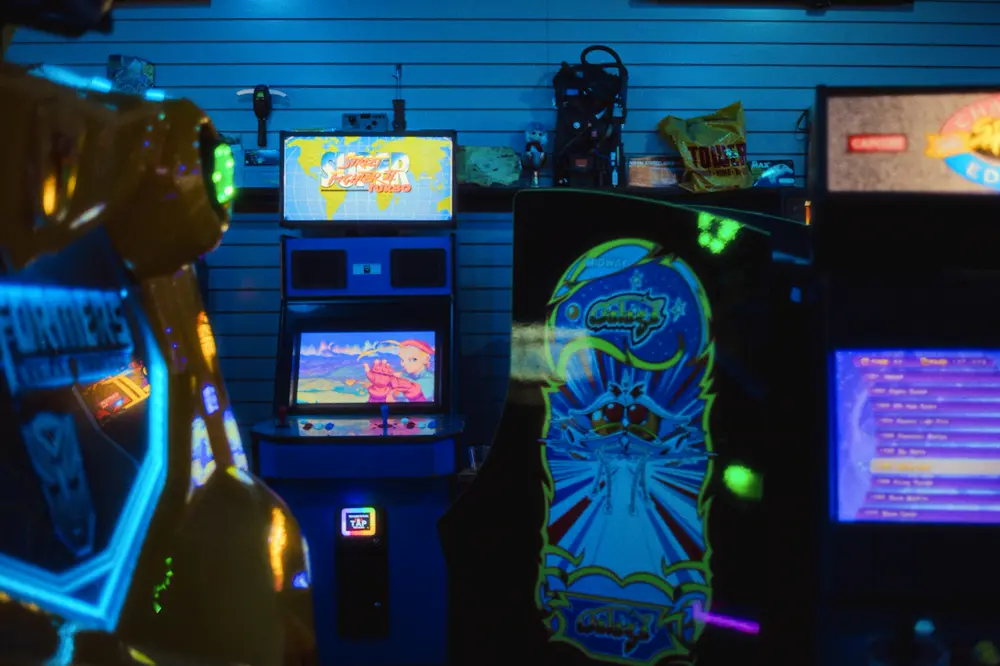
The late 1970s and early 1980s are widely regarded as the “Golden Age” of arcades. This period saw an explosion of creativity and innovation in game design. Games like Space Invaders (1978), Pac-Man (1980), Donkey Kong (1981), and Galaga (1981) became cultural phenomena. These titles weren’t just games; they were social events. Arcades became gathering places for teenagers and young adults, fostering a sense of community and competition.
Arcade cabinet design also matured during this era. Manufacturers focused on eye-catching artwork, durable construction, and ergonomic controls. The cabinets themselves became works of art, adorned with vibrant graphics and designed to attract players. The use of joysticks and buttons became standardized, providing a consistent gaming experience across different titles. If you’re interested in the history of gaming hardware, you might find information about consoles helpful.
The Rise of Home Consoles and the Arcade Decline
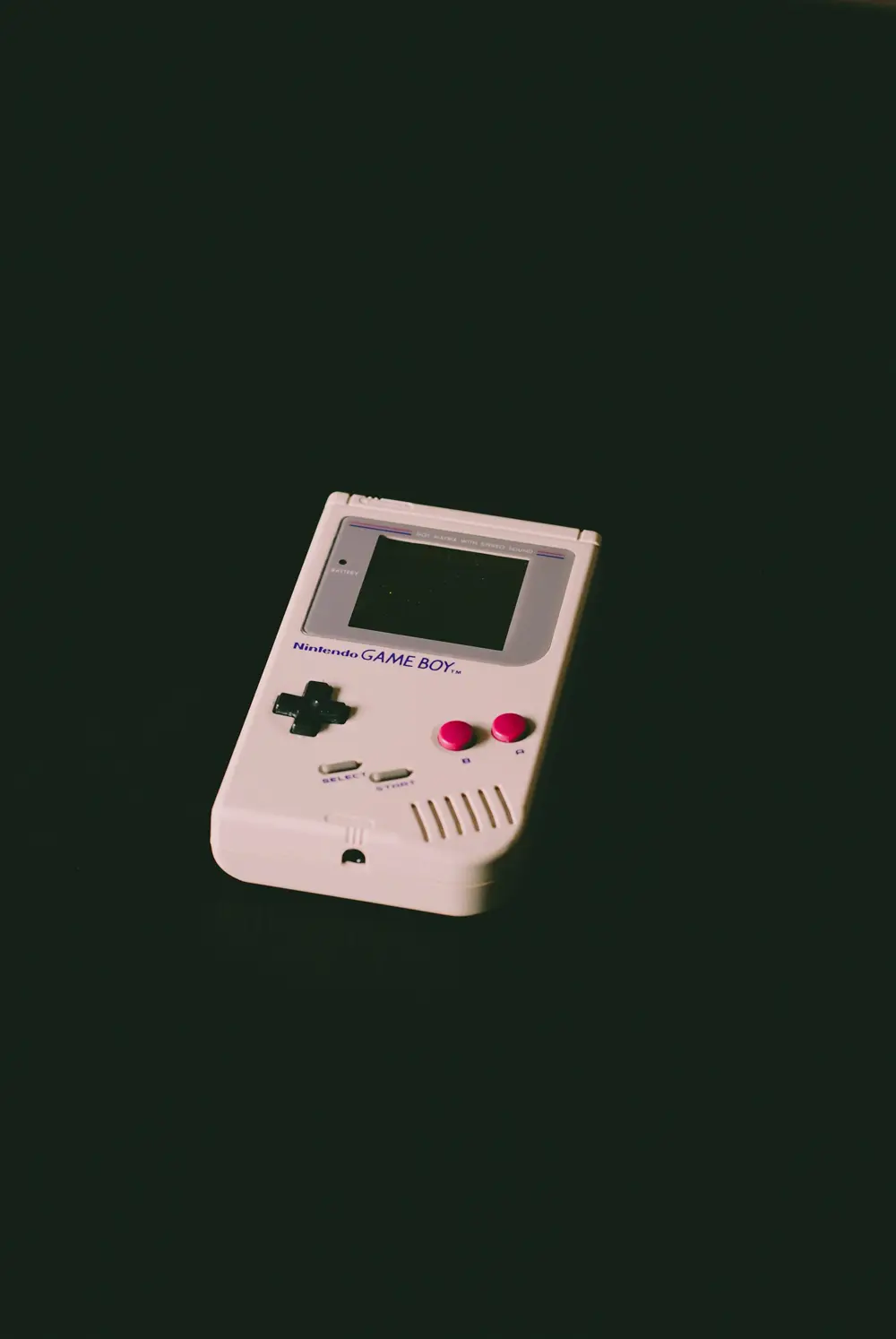
The mid-1980s marked a turning point for the arcade industry. The increasing power and affordability of home consoles, such as the Atari 2600 and the Nintendo Entertainment System (NES), began to erode the arcade’s dominance. Players could now enjoy similar gaming experiences in the comfort of their own homes. The video game crash of 1983 further exacerbated the situation, leading to a temporary decline in the overall gaming market.
While arcades didn’t disappear entirely, they lost much of their cultural prominence. New arcade games continued to be released, but they often struggled to compete with the convenience and cost-effectiveness of home consoles. Fighting games like Street Fighter II (1991) and Mortal Kombat (1992) briefly revitalized the arcade scene in the early 1990s, but this resurgence was short-lived.

The Modern Arcade Revival
In recent years, there’s been a noticeable resurgence of interest in arcade cabinets and retro gaming. This revival is driven by several factors, including nostalgia, a desire for social gaming experiences, and the appeal of classic game design. Barcades – bars that feature a collection of arcade games – have become increasingly popular, offering a unique blend of social interaction and retro entertainment.
Furthermore, the DIY arcade community has flourished. Enthusiasts are building their own arcade cabinets, often using Raspberry Pi computers and emulators to play a vast library of classic games. This allows for customization and personalization, creating unique gaming experiences. The availability of parts and online resources has made building an arcade cabinet more accessible than ever before. Understanding the basics of electronics can be very beneficial for DIY projects.

Types of Arcade Cabinets
Arcade cabinets come in various shapes and sizes, each designed for specific types of games. Some common types include:
- Upright Cabinets: The most common type, featuring a vertical screen and controls.
- Cocktail Cabinets: Designed for two players facing each other, with the screen and controls embedded in a table-like surface.
- Sit-Down Cabinets: Larger cabinets with a seat for the player, often used for racing games or flight simulators.
- Bartop Cabinets: Smaller, tabletop versions of upright cabinets, ideal for home use.
Collecting and Restoring Arcade Cabinets
Collecting arcade cabinets can be a rewarding hobby, but it requires careful consideration. Factors to consider include the cabinet’s condition, rarity, and the demand for the games it houses. Restoring an arcade cabinet can be a challenging but satisfying project. It often involves repairing the cabinet’s exterior, replacing worn-out components, and ensuring the game’s electronics are functioning correctly. Resources like online forums and dedicated restoration guides can be invaluable for collectors and restorers.
Preserving these machines is important, not just for the gaming community, but as artifacts of a significant cultural period. The craftsmanship and design of these cabinets represent a level of dedication and artistry that is often missing in modern gaming.
Conclusion
Arcade cabinets have a rich and fascinating history, evolving from mechanical amusement devices to sophisticated electronic gaming machines. While the arcade industry has faced challenges over the years, the recent resurgence of interest in retro gaming suggests that these iconic machines will continue to captivate and entertain for generations to come. Whether you’re a collector, a DIY enthusiast, or simply someone who enjoys a nostalgic trip down memory lane, arcade cabinets offer a unique and rewarding gaming experience.
Frequently Asked Questions
-
What is the best way to find arcade cabinets for sale?
Online marketplaces like eBay and Craigslist are good starting points. Local arcade auctions, retro gaming conventions, and dedicated arcade forums can also be excellent sources. Be prepared to inspect the cabinet thoroughly before purchasing, and factor in potential restoration costs.
-
How much does it typically cost to restore an arcade cabinet?
Restoration costs vary widely depending on the cabinet’s condition. A simple cosmetic restoration might cost a few hundred dollars, while a complete overhaul, including replacing electronics and repairing significant damage, could easily exceed $1,000.
-
What are the legal considerations when running an arcade business?
You’ll need to obtain the necessary business licenses and permits, comply with local zoning regulations, and ensure you have adequate insurance coverage. Consider the legal aspects of game licensing and copyright as well.
-
Can I build my own arcade cabinet even with limited technical skills?
Yes! Many resources are available online, including step-by-step guides and pre-cut cabinet kits. Using a Raspberry Pi and emulation software simplifies the software side of things. While some basic woodworking and wiring skills are helpful, it’s definitely achievable for beginners.
-
What are some popular emulators for playing arcade games?
MAME (Multiple Arcade Machine Emulator) is the most popular and versatile emulator, supporting a vast library of arcade games. Other options include FinalBurn Neo and RetroArch, each with its own strengths and compatibility.
Related posts:

Plenty more backgrounds are waiting in the related collections below — keep browsing until one sticks.
Share this page with a friend who is hunting for a fresh background.
