
Evangelion Mecha: Exploring the Iconic Robots
Neon Genesis Evangelion, a landmark anime series, captivated audiences with its complex characters, psychological depth, and, of course, its unforgettable mecha designs. These aren’t your typical giant robots; the Evangelions (Evas) are biomechanical entities, deeply intertwined with the series’ themes of trauma, identity, and the human condition. This article delves into the world of Evangelion mecha, examining their origins, functionality, and lasting impact on the mecha genre.
The series, created by Hideaki Anno and produced by Gainax, premiered in 1995 and quickly became a cultural phenomenon. Beyond the thrilling action sequences, Evangelion offered a deconstruction of the mecha genre, questioning the heroism and simplistic narratives often associated with it. The Evas themselves are central to this deconstruction, representing not power fantasies, but burdens and sources of immense psychological strain for their pilots.
The Origins of the Evangelions
The Evangelions were created by NERV, a paramilitary organization ostensibly dedicated to protecting humanity from the Angels – colossal, otherworldly beings intent on causing a Third Impact, an event that would lead to the extinction of humankind. However, the true origins of the Evas are far more complex and shrouded in mystery. They are not simply machines built by humans, but are derived from Adam, the First Ancestor, a being of immense power and the progenitor of the Angels.
Each Eva unit is unique, possessing distinct characteristics and capabilities. Unit-01, piloted by Shinji Ikari, is the first successful Eva and is particularly notable for its independent thought and aggressive tendencies. Unit-00, piloted by Rei Ayanami, is the first operational Eva and is characterized by its stoicism and connection to Gendo Ikari. Unit-02, piloted by Asuka Langley Soryu, is a German-built Eva known for its high performance and Asuka’s fiercely independent personality. The series also introduces other Evas, each with their own story and significance.
How the Evangelions Function
Unlike traditional mecha, the Evangelions are not piloted in the conventional sense. Pilots enter the Entry Plug, a capsule that interfaces directly with the Eva’s nervous system. This creates a neural link, allowing the pilot to control the Eva’s movements, but also exposing them to the immense psychological and physical strain of the process. The synchronization rate between pilot and Eva is crucial; a higher rate results in more effective control and performance.
The Evas are powered by an internal energy source, and their capabilities extend beyond simple combat. They possess an AT Field (Absolute Terror Field), a defensive barrier that can deflect attacks and protect against the Angels’ abilities. The AT Field is also a manifestation of the pilot’s psyche, reflecting their emotional state and mental fortitude. Understanding the intricacies of the AT Field is key to understanding the deeper themes of the series. If you’re interested in the broader context of mecha design, you might find information about robotics helpful.
The Unique Design of the Evangelions
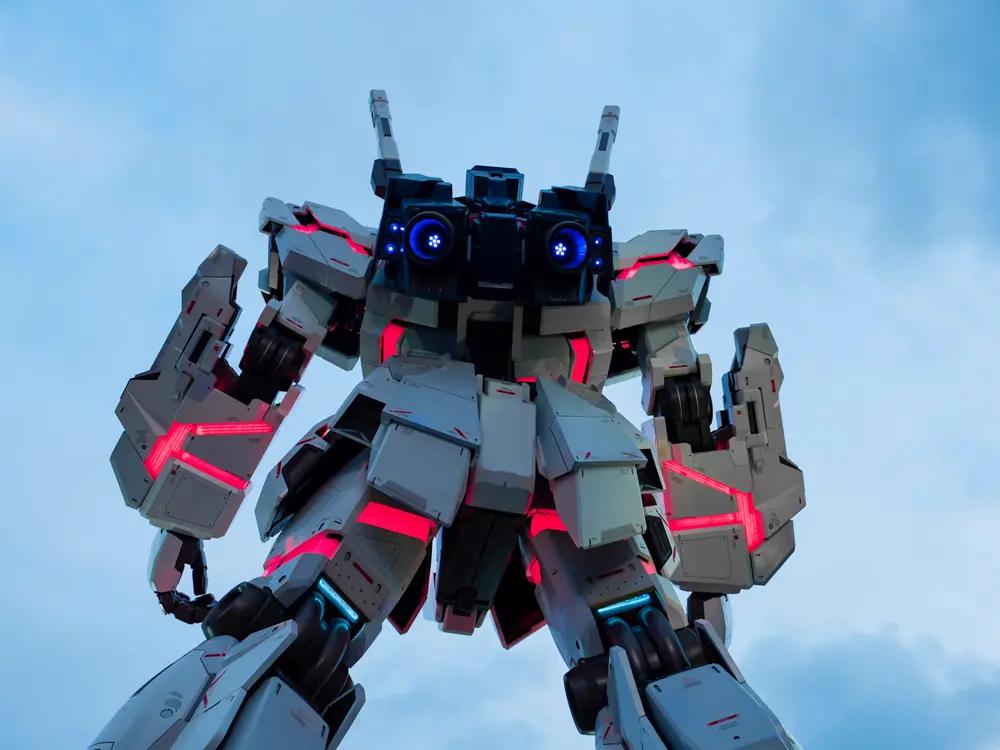
The visual design of the Evangelions, created by Yoshiyuki Sadamoto, is instantly recognizable. Departing from the sleek, heroic designs of many contemporary mecha, the Evas are deliberately unsettling and organic in appearance. Their humanoid forms are distorted and asymmetrical, with exposed musculature and a lack of traditional mechanical detailing. This design choice reflects the Evas’ biomechanical nature and their connection to the unsettling origins.
The color schemes are also significant. Unit-01 is primarily purple and green, evoking a sense of decay and biological processes. Unit-00 is blue and white, representing Rei’s cold and detached personality. Unit-02 is red and orange, symbolizing Asuka’s fiery temperament. These visual cues contribute to the overall thematic resonance of the series.
The Psychological Toll on Pilots
Piloting an Eva is not a glorious undertaking. It’s a deeply traumatic experience that takes a severe toll on the pilots’ mental and emotional well-being. The neural link forces them to confront their own inner demons and anxieties, and the constant exposure to the Angels’ presence exacerbates these issues. Shinji, Rei, and Asuka all struggle with profound psychological trauma throughout the series, and their experiences highlight the devastating consequences of wielding such immense power.
The series explores themes of depression, isolation, and the search for meaning in a bleak and uncertain world. The Evas serve as a metaphor for the burdens we carry and the challenges we face in navigating our own internal struggles. The connection between pilot and machine is a powerful representation of the complex relationship between mind and body. For those interested in the psychological aspects of anime, exploring psychology in animation can be insightful.
The Legacy of Evangelion Mecha
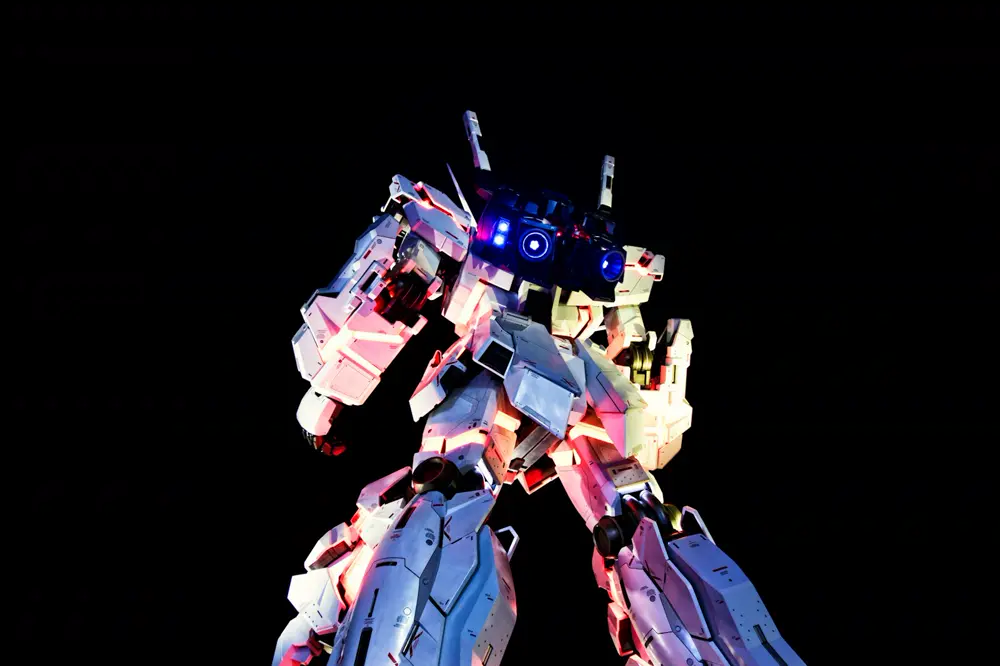
Neon Genesis Evangelion had a profound and lasting impact on the mecha genre and anime as a whole. It challenged conventional tropes, introduced complex characters, and explored mature themes with unprecedented depth. The Evangelions themselves have become iconic symbols of the series, inspiring countless works of art, merchandise, and fan creations.
The series’ influence can be seen in subsequent mecha anime, which often incorporate elements of psychological realism and deconstruction. The Evas’ unique design has also influenced the aesthetics of mecha design, inspiring a shift away from purely mechanical forms towards more organic and biomechanical creations. The enduring popularity of Evangelion is a testament to its artistic merit and its ability to resonate with audiences on a deeply emotional level.
Conclusion
The Evangelion mecha are more than just giant robots; they are complex symbols of trauma, identity, and the human condition. Their unique design, unsettling functionality, and the psychological toll they take on their pilots set them apart from other mecha in anime history. Neon Genesis Evangelion remains a landmark achievement in animation, and its iconic robots continue to captivate and inspire audiences around the world. The series’ exploration of difficult themes and its willingness to challenge conventions have cemented its place as a true masterpiece of the genre.
Frequently Asked Questions
1. What makes the Evangelions different from other mecha?
Unlike most mecha, Evangelions aren’t simply machines. They’re biomechanical beings with a mysterious origin tied to the Angels and require a direct neural link with their pilots, causing significant psychological strain. This connection and the resulting trauma are central to the series’ themes.
2. What is the purpose of the AT Field?
The AT Field is a defensive barrier generated by the Evangelions, protecting them from attacks. However, it’s also a manifestation of the pilot’s psyche, reflecting their emotional state and mental stability. It’s a crucial element in understanding the series’ psychological depth.
3. Why are the Eva pilots so troubled?
Piloting an Eva is an incredibly traumatic experience. The neural link forces pilots to confront their inner demons, and the constant exposure to the Angels’ presence exacerbates their psychological issues. The series explores themes of depression, isolation, and the search for meaning.
4. What is the significance of the Eva’s organic design?
The Evas’ deliberately unsettling and organic design reflects their biomechanical nature and their connection to their mysterious origins. It’s a departure from the sleek, heroic designs of traditional mecha, emphasizing their unsettling and alien qualities.
5. How did Evangelion influence the mecha genre?
Evangelion challenged conventional mecha tropes, introducing complex characters, exploring mature themes, and deconstructing the idea of heroism. It inspired subsequent anime to incorporate psychological realism and influenced the aesthetics of mecha design, moving towards more organic forms.
Related posts:


If these hit the mark, Akira Neo Tokyo: Exploring the Cyberpunk Vision keeps the streak going with more anime picks.
Bookmark this collection so your next wallpaper swap is one click away.
