
Ferns: A Comprehensive Guide to These Ancient Plants
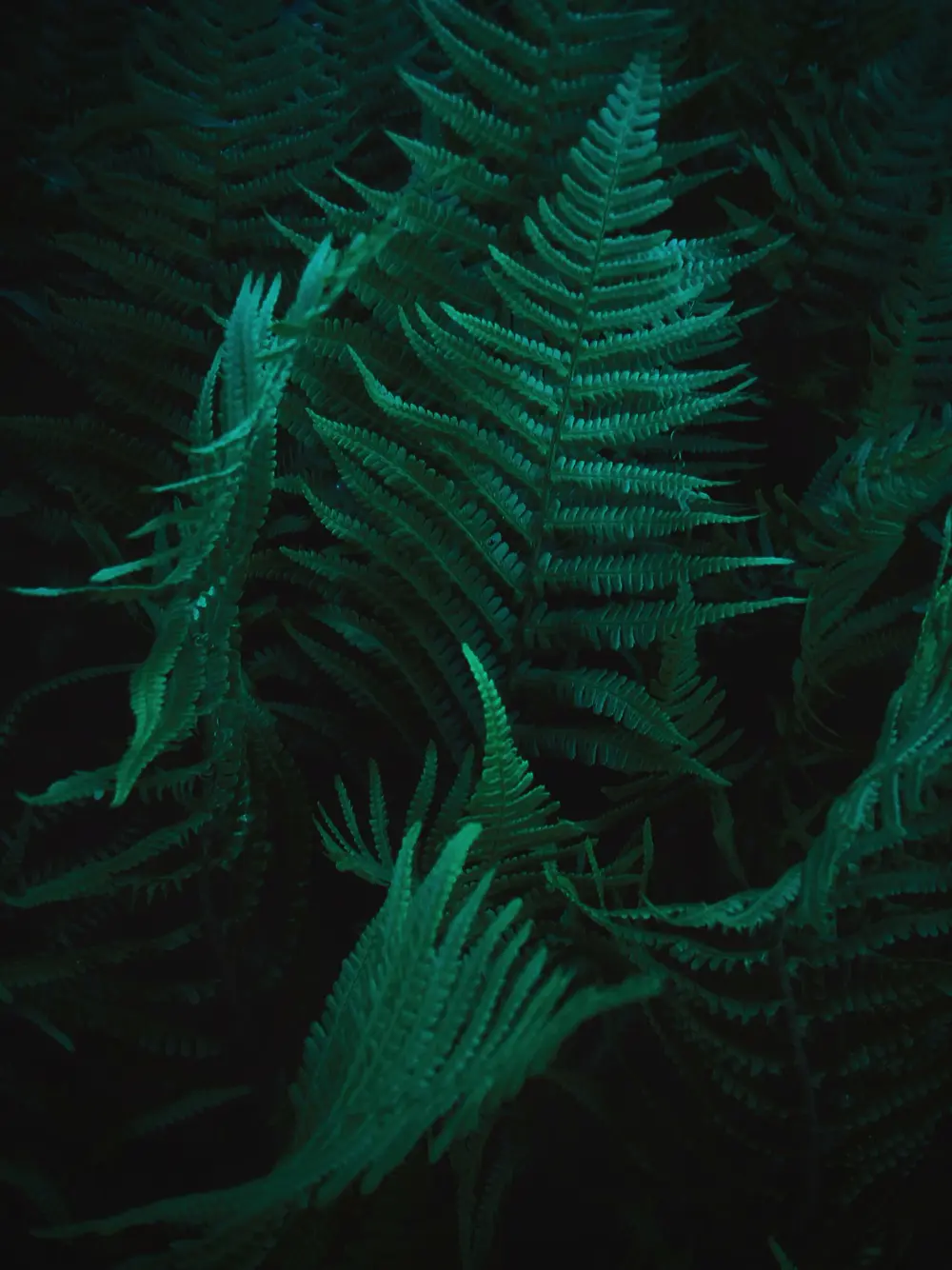
Ferns are a captivating group of vascular plants that have graced our planet for over 360 million years. Often associated with lush, prehistoric landscapes, these plants continue to thrive in diverse environments worldwide. Unlike flowering plants, ferns reproduce via spores, adding to their unique and fascinating biology. This guide will delve into the world of ferns, exploring their characteristics, types, care, and ecological significance.
From the delicate maidenhair fern to the towering tree ferns, the diversity within this plant group is remarkable. They offer a beautiful aesthetic to gardens, forests, and even indoor spaces. Understanding their needs and appreciating their history allows us to better connect with the natural world.
Understanding Fern Anatomy and Life Cycle
Ferns differ significantly from seed-bearing plants in their reproductive strategy. Instead of flowers and seeds, they utilize spores for propagation. These microscopic spores are released from structures called sporangia, often clustered on the underside of fern fronds. When spores land in a suitable environment – moist and shaded – they germinate and grow into a small, heart-shaped plant called a prothallus. The prothallus then produces both sperm and eggs, leading to fertilization and the development of a new fern sporophyte.
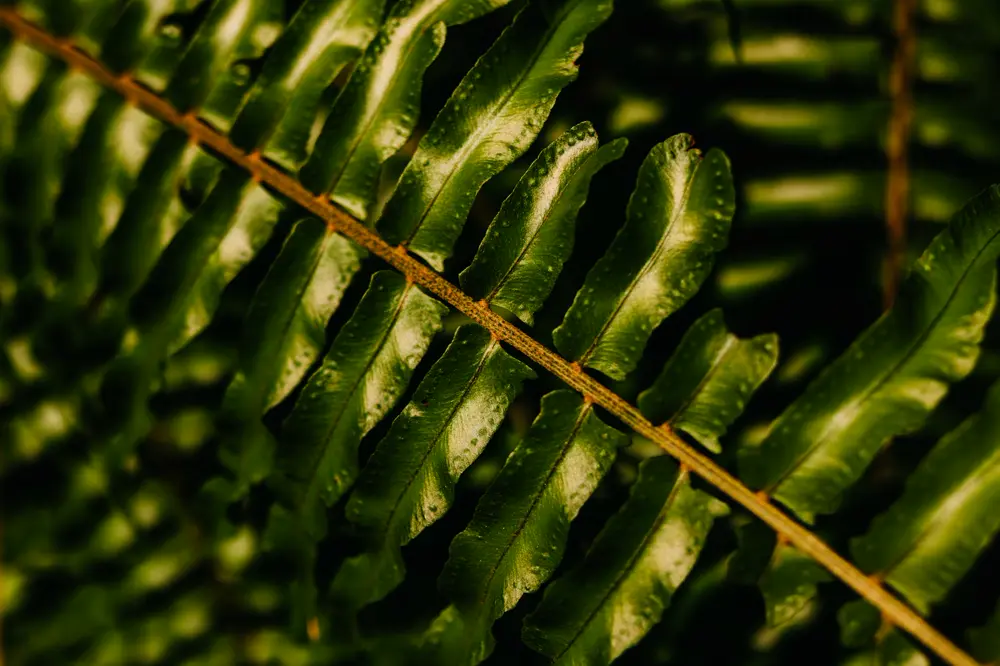
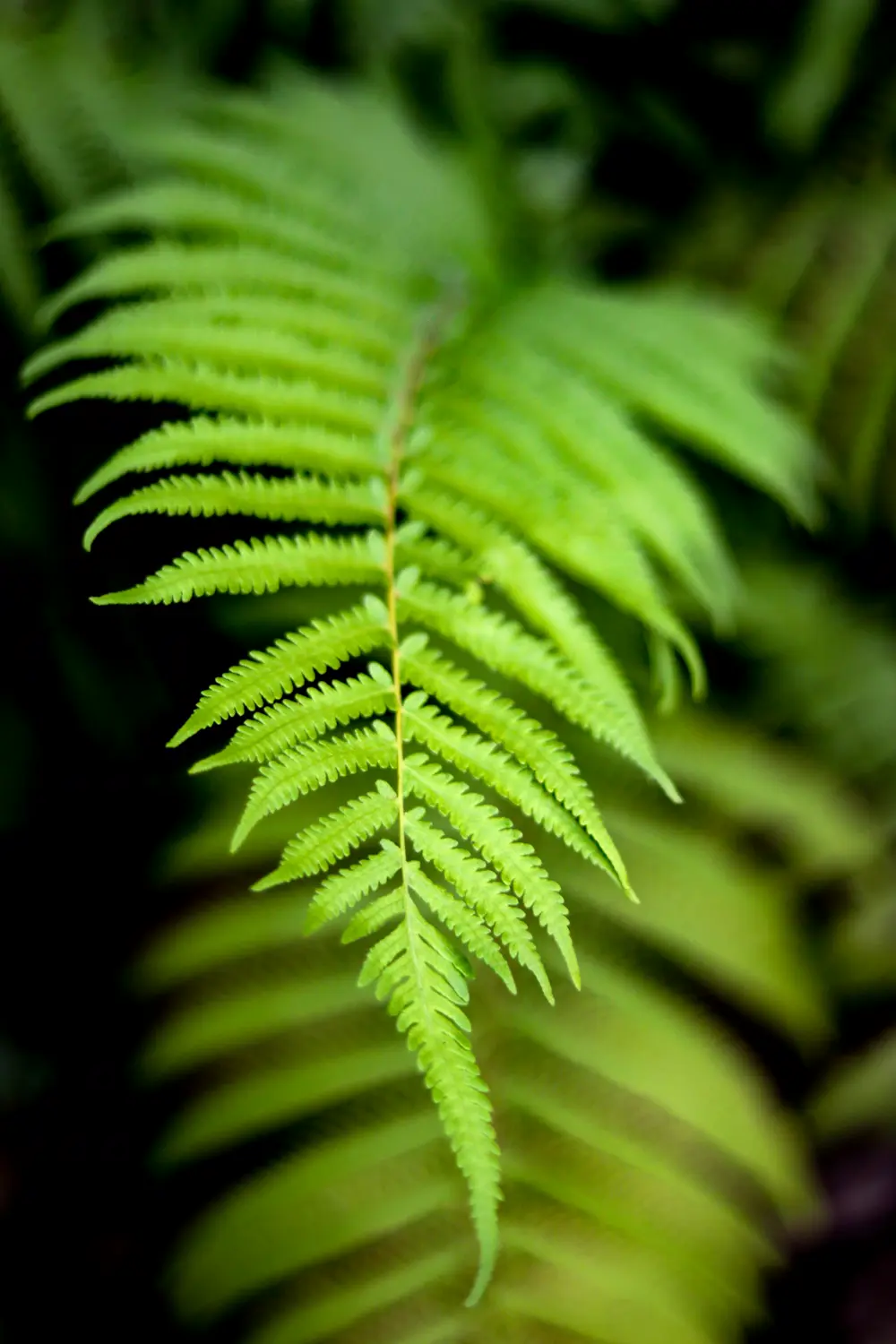
The visible part of a fern, the frond, is composed of a rhizome (an underground stem), and leaves. The frond is often divided into smaller leaflets called pinnae. The arrangement and shape of these structures vary greatly between different fern species, contributing to their diverse appearances. The rhizome anchors the plant and absorbs water and nutrients from the soil.
Common Types of Ferns
The world of ferns is incredibly diverse. Here are a few commonly encountered types:
- Boston Fern (Nephrolepis exaltata): A popular houseplant known for its cascading fronds and air-purifying qualities.
- Maidenhair Fern (Adiantum spp.): Delicate and graceful, with finely divided, fan-shaped fronds.
- Bird’s Nest Fern (Asplenium nidus): Named for its rosette-shaped fronds that resemble a bird’s nest.
- Tree Ferns (Cyatheales order): Impressive ferns with trunk-like stems, found in tropical and subtropical regions.
- Christmas Fern (Polystichum acrostichoides): An evergreen fern that remains green throughout the winter, often used in holiday decorations.
Choosing the right fern depends on your environment and care capabilities. Some ferns are more tolerant of dry conditions than others, while some require consistently high humidity. Considering these factors will ensure your fern thrives. If you’re looking for information on gardening tips, you can find more resources online.
Fern Care: Providing the Right Environment
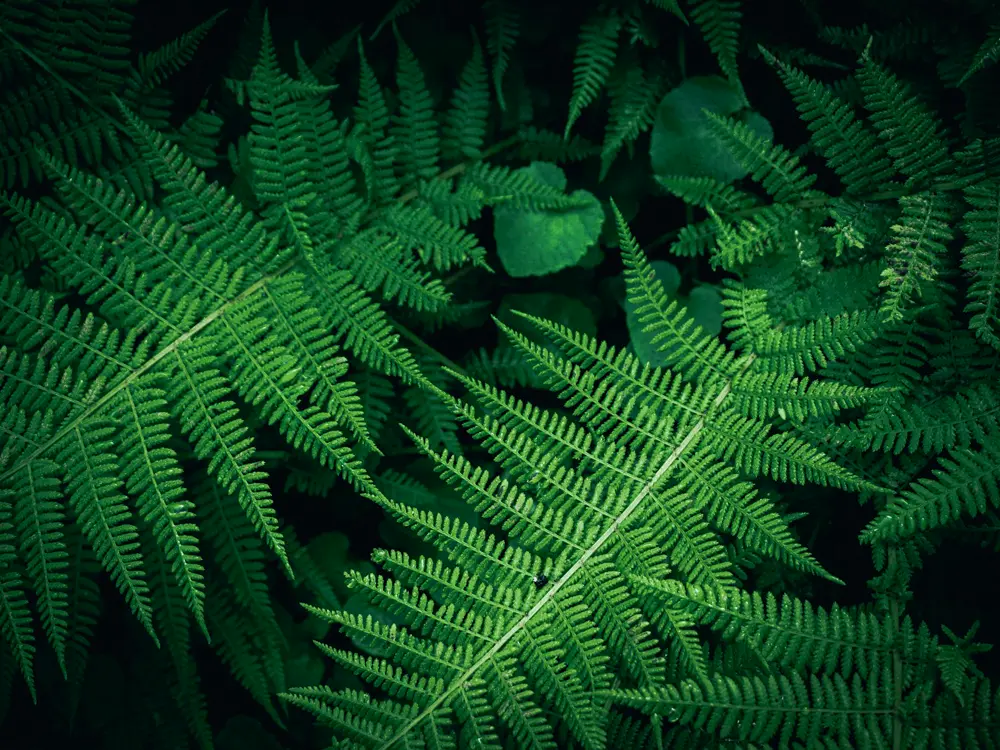
Successful fern cultivation hinges on replicating their natural habitat. Here’s a breakdown of essential care requirements:
- Light: Most ferns prefer indirect light. Direct sunlight can scorch their fronds.
- Water: Ferns need consistently moist soil, but not soggy. Allow the top inch of soil to dry out slightly between waterings.
- Humidity: High humidity is crucial for many fern species. Misting regularly, using a humidifier, or placing the fern on a pebble tray filled with water can help increase humidity.
- Soil: A well-draining, peat-based potting mix is ideal.
- Temperature: Most ferns thrive in temperatures between 65-75°F (18-24°C).
Fertilizing ferns is generally not necessary, but a diluted liquid fertilizer can be applied during the growing season (spring and summer). Avoid over-fertilizing, as this can damage the plant.
Ecological Importance of Ferns
Ferns play a vital role in various ecosystems. They contribute to soil stabilization, prevent erosion, and provide habitat for small animals and insects. In forests, ferns often form a groundcover layer, helping to retain moisture and suppress weed growth. They also serve as a food source for some herbivores.
Historically, ferns have been used for medicinal purposes by various cultures. Some species contain compounds with anti-inflammatory and antioxidant properties. However, it’s important to note that not all ferns are safe for consumption or medicinal use, and caution should always be exercised. Understanding plants and their uses is a fascinating field of study.
Ferns in Landscaping and Interior Design
Ferns are highly valued for their aesthetic appeal and versatility in landscaping and interior design. Their lush, green foliage adds texture and visual interest to gardens, patios, and indoor spaces. They can be used as groundcover, in hanging baskets, or as focal points in containers.
When incorporating ferns into your landscape, consider their light and moisture requirements. Grouping ferns with other shade-loving plants can create a harmonious and visually appealing garden bed. Indoors, ferns can brighten up any room and improve air quality. Proper placement and care are essential for maintaining their health and beauty.
Conclusion
Ferns are truly remarkable plants with a rich history and significant ecological value. Their unique reproductive strategy, diverse forms, and adaptability make them a fascinating subject for study and appreciation. Whether you’re a seasoned gardener or simply admire these ancient plants, understanding their needs and characteristics will enhance your connection with the natural world. From the forest floor to your living room, ferns offer a touch of timeless beauty and tranquility.
Frequently Asked Questions
-
What is the best way to water a fern?
Ferns prefer consistently moist soil, but avoid overwatering. Check the soil moisture by sticking your finger about an inch deep. If it feels dry, it’s time to water. Water thoroughly until excess water drains from the bottom of the pot. Using room-temperature water is also recommended.
-
Why are my fern fronds turning brown?
Brown fronds can indicate several issues, including low humidity, underwatering, overwatering, or direct sunlight. Assess your fern’s environment and adjust accordingly. Increasing humidity, ensuring proper watering, and providing indirect light can often resolve the problem.
-
Can ferns be grown outdoors in colder climates?
Some fern species are hardy enough to survive winters in colder climates, while others are more sensitive. Evergreen ferns like the Christmas fern are generally more cold-tolerant. Providing winter protection, such as a layer of mulch, can help protect ferns from freezing temperatures.
-
How can I propagate ferns?
Ferns can be propagated through spores, division, or by removing offsets. Spore propagation is more challenging and requires specific conditions. Division involves separating the rhizome into sections, each with its own fronds and roots. Offsets are small plantlets that grow from the rhizome and can be carefully removed and potted.
-
Are ferns safe for pets?
Some fern species are toxic to pets if ingested, causing symptoms like vomiting and diarrhea. The Boston fern is generally considered non-toxic, but it’s always best to keep ferns out of reach of curious pets. If you suspect your pet has ingested a fern, contact your veterinarian immediately.
Related posts:


Every ferns page is another mood for your screen. Keep exploring the related sets below this one.
Know someone whose screen needs a refresh? Pass this link along.
