
Tornado and Extreme Weather 4K Backgrounds: A Visual Guide
There is an undeniable magnetism in the raw, unfiltered power of nature. For many of us, the sight of a massive supercell towering over a flat horizon or the terrifying grace of a funnel cloud descending from a charcoal sky evokes a complex mixture of fear and admiration. This fascination has fueled a growing demand for high-resolution imagery that captures these moments in stunning detail. When we talk about tornado and extreme weather 4K backgrounds, we aren’t just talking about pictures; we are talking about immersive experiences that bring the intensity of the atmosphere directly onto our screens.
The transition from standard high definition to 4K resolution has fundamentally changed how we perceive meteorological photography. In the past, a storm image might have looked like a blurred smudge of grey and brown. Today, the precision of 3840 x 2160 pixels allows us to see the individual rotations of a wall cloud, the fine spray of rain curtains, and the electric veins of lightning branching across a violet sky. This level of detail transforms a simple wallpaper into a window, offering a safe vantage point from which to observe the most volatile forces on Earth.
The Technical Appeal of 4K Weather Imagery
Why does resolution matter so much when it comes to extreme weather? The answer lies in the complexity of the atmosphere. Weather events are not composed of flat colors; they are layered systems of moisture, pressure, and light. A high-quality 4K background preserves the gradients of a storm’s core, moving seamlessly from deep indigo to an eerie, bruised green. These subtle shifts in color are often indicators of hail or severe turbulence, and seeing them rendered clearly provides a sense of realism that lower resolutions simply cannot match.
Furthermore, the sheer scale of these events requires a wide canvas. A tornado is often a small part of a much larger system. By using a 4K image, the viewer can appreciate the vastness of the prairie or the towering height of a cumulonimbus cloud while still seeing the sharp edges of the debris cloud at the base of the vortex. This contrast between the macro and the micro is what creates the visual tension that makes these backgrounds so compelling. For those looking to enhance their digital workspace, choosing high-resolution backgrounds ensures that the image remains crisp regardless of the monitor size.
Color Palettes of the Storm
One of the most striking aspects of extreme weather backgrounds is the unexpected color palette. While we often associate storms with grey, the reality is far more vibrant. In the heart of a severe thunderstorm, light scattering can produce a deep emerald green, a phenomenon often associated with heavy precipitation and large hail. In 4K, this green becomes a luminous, haunting feature that dominates the screen.
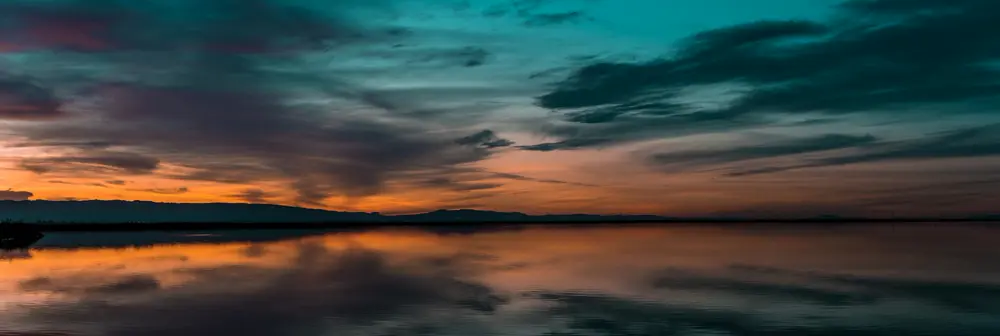
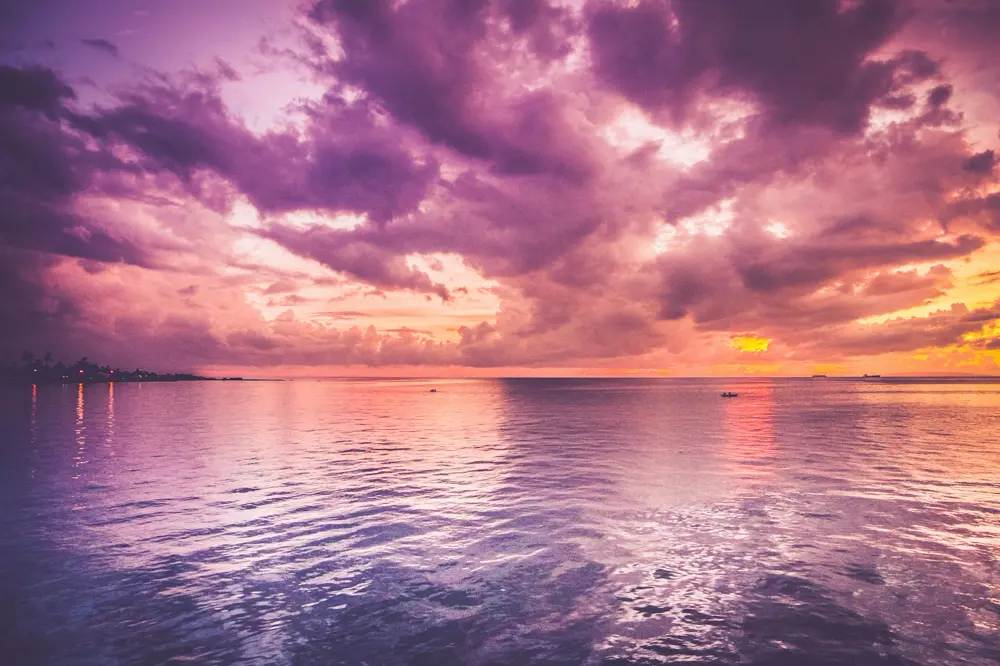
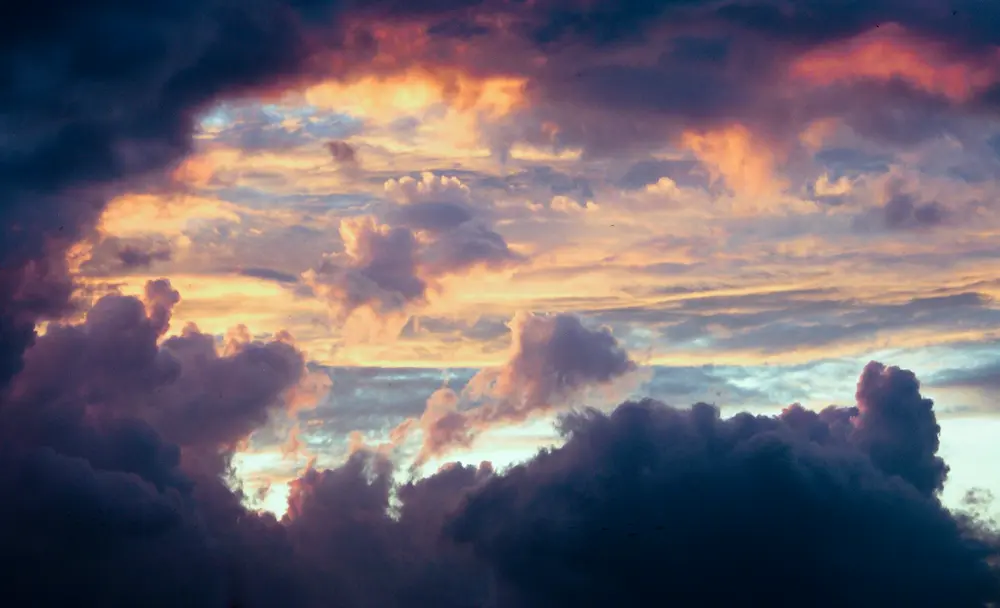
Then there are the sunsets during a storm’s wake. The contrast between a dark, receding storm front and a brilliant orange or crimson sunset creates a dramatic silhouette effect. These images are particularly popular for desktop backgrounds because they balance the intensity of the weather with the serenity of the light, creating a mood that is both moody and inspiring.
Capturing the Essence of the Tornado
The tornado is the crown jewel of extreme weather photography. To capture a tornado in a way that translates well to a 4K background, the composition must emphasize power and movement. The most effective images usually follow a diagonal composition, where the funnel cloud cuts across the frame, leading the eye from the swirling clouds above to the churning earth below. This creates a sense of dynamic energy, making the viewer feel as though the storm is moving across their screen.
There are different types of tornado visuals that serve different aesthetic purposes. The ‘stovepipe’ tornado, with its clean, cylindrical shape, offers a structured and almost architectural beauty. In contrast, the ‘wedge’ tornado—wide and imposing—conveys an overwhelming sense of destruction and scale. When these are rendered in 4K, the textures of the condensation funnel become visible, showing the fluid dynamics of the air as it spirals inward. It is a reminder of the complex physics that govern our world, captured in a single, frozen moment.
The Role of Lightning in Visual Impact
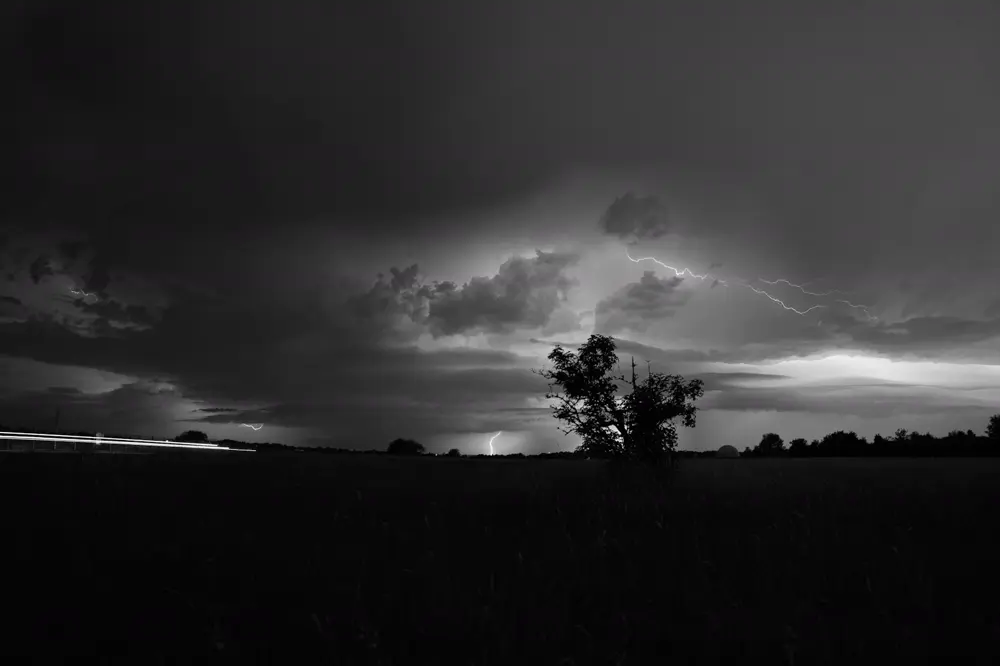
No collection of extreme weather imagery is complete without the inclusion of lightning. Whether it is a singular, powerful bolt striking a distant power line or the sprawling, spider-web patterns of ‘crawler’ lightning, these elements add a layer of electricity to the visual experience. In high-resolution backgrounds, the brightness of the bolt often creates a ‘glow’ effect that illuminates the surrounding clouds, adding depth and three-dimensionality to the image.
Lightning photography often utilizes long exposure techniques, which, when viewed in 4K, reveal the intricate paths the electricity took through the air. This adds a level of artistic abstraction to the weather imagery, turning a chaotic event into a structured piece of art. Integrating these visuals into a digital setup can provide a spark of energy and focus, reflecting the unpredictability and brilliance of natural events occurring across the globe.
Exploring Other Extreme Phenomena
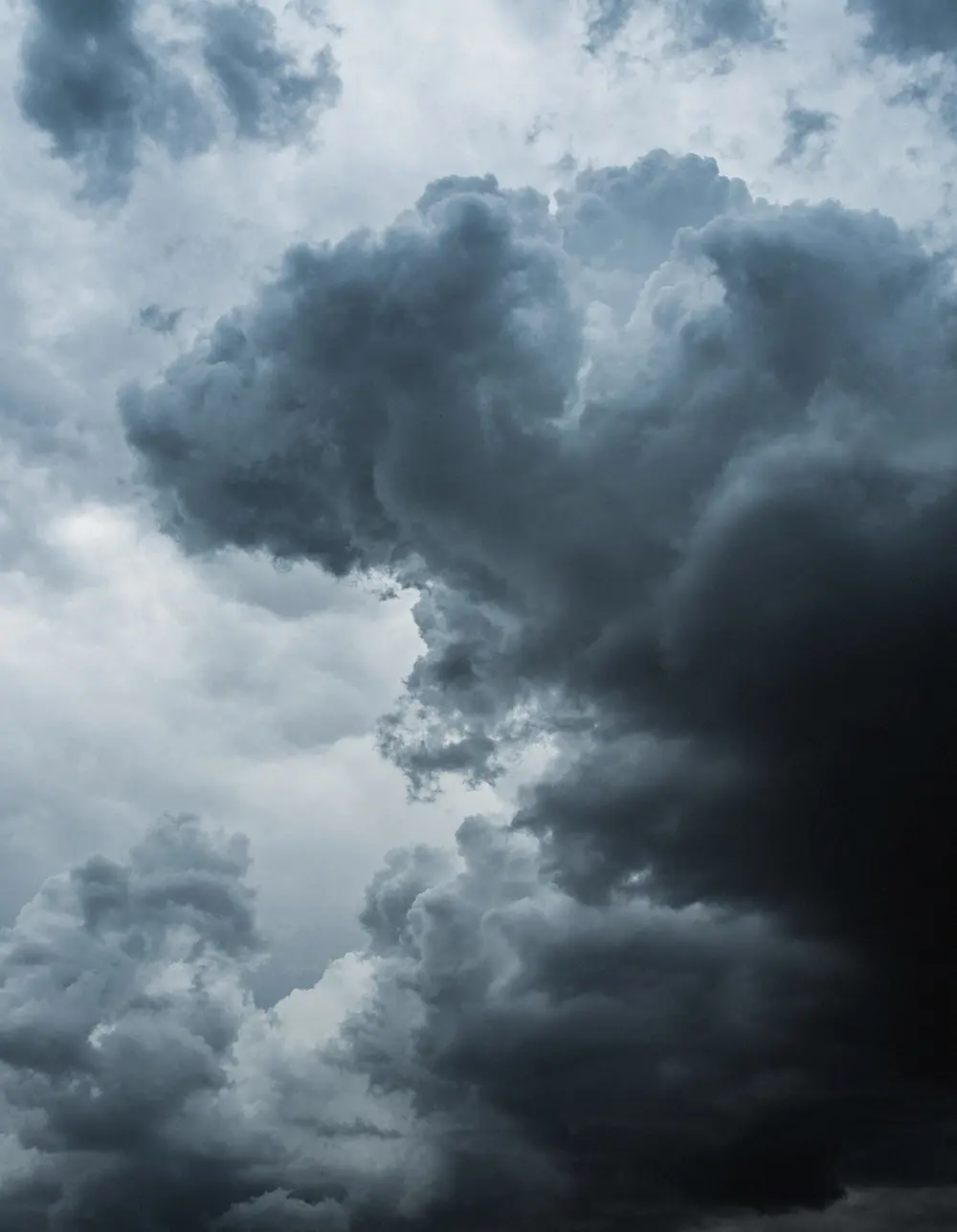
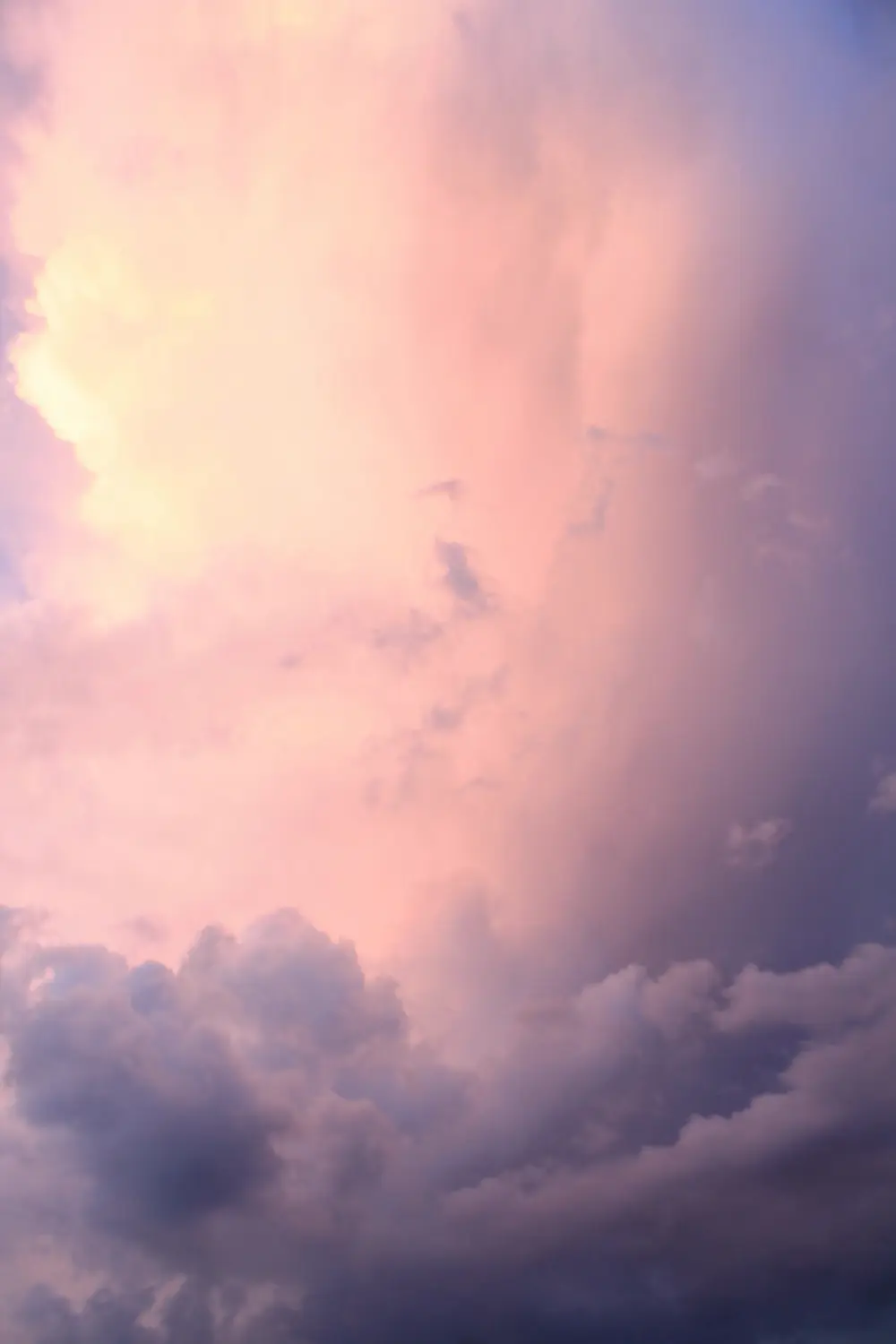
While tornadoes often steal the spotlight, other forms of extreme weather provide equally stunning visual opportunities for 4K backgrounds. Supercells, the parent storms of most significant tornadoes, are masterpieces of atmospheric architecture. Their rotating updrafts create a tiered, pancake-like appearance that looks almost alien. A 4K image of a supercell allows the viewer to trace the rotation of the storm, feeling the immense scale of the system as it dwarfs the landscape below.
The Quiet Intensity of Blizzards and Ice Storms
Extreme weather isn’t always about violence and wind; sometimes it is about the oppressive silence of cold. High-resolution images of blizzards capture the ‘white-out’ effect, where the boundary between the earth and sky vanishes. The beauty here lies in the minimalism. A single, frost-covered tree standing against a wall of falling snow can be a powerful, meditative background. The 4K detail captures the individual ice crystals and the soft, diffused light that characterizes winter storms.
Hurricanes and Tropical Cyclones
From a satellite perspective, hurricanes are perhaps the most symmetrical and beautiful of all extreme weather events. The perfect spiral of a cyclone, centered around a calm eye, is a testament to the organized chaos of the planet. 4K satellite imagery provides a global perspective, showing the massive scale of these systems as they traverse oceans. For those who prefer a more abstract or planetary aesthetic, these images offer a sense of perspective, reminding us of our small place within a massive, breathing ecosystem.
How to Choose the Right Background for Your Device
Selecting the perfect 4K background requires more than just finding a cool image; it requires considering how the image interacts with your device’s hardware and your daily usage. Because extreme weather images often feature high contrast—deep blacks and bright flashes of light—they are particularly well-suited for OLED screens. On an OLED display, the true blacks of a storm cloud don’t just look dark; they disappear, making the lightning bolts or the funnel cloud appear to float in a void of darkness.
Consider the emotional impact you want your screen to have. If you find the imagery of a looming storm to be energizing, a high-contrast image of a tornado in the midst of a chase might be ideal. If you prefer a sense of awe and reflection, a wide-angle shot of a supercell during the ‘golden hour’ of sunset can provide a calming yet powerful presence. The key is to find an image where the focal point does not clash with your desktop icons or mobile app layout.
Aspect Ratios and Composition
Not all 4K images are created equal. A landscape-oriented 4K image (16:9) is perfect for monitors, but for mobile devices, you need a vertical crop that maintains the integrity of the storm’s structure. When searching for extreme weather backgrounds, look for images with ‘negative space’—areas of the sky or ground that are relatively uncluttered. This ensures that the main subject, whether it is a lightning strike or a vortex, remains the star of the show without making the screen feel overcrowded.
Additionally, pay attention to the color temperature. Blue and grey tones can make a workspace feel cooler and more professional, while oranges and reds can add warmth and drama. By matching the color palette of your storm background to your physical environment or your theme settings, you can create a cohesive visual experience that enhances your mood and productivity.
The Psychology of the Storm: Why We Are Drawn to Extreme Weather
There is a psychological concept known as ‘the sublime,’ which describes the feeling of being overwhelmed by something vast and powerful, yet feeling safe enough to appreciate it. This is precisely why tornado and extreme weather 4K backgrounds are so popular. By viewing these events through a screen, we experience the thrill of the danger without the actual risk. It is a form of emotional catharsis, allowing us to confront the fragility of human structures against the indifference of nature.
For many, these images also represent a sense of renewal. Storms, while destructive, are also the mechanisms by which the earth redistributes heat and moisture. They clear the air and bring necessary rain to parched lands. Seeing the intensity of a storm in 4K can be a reminder of the cycle of destruction and rebirth that defines life on Earth. It is a visual representation of change, movement, and the unstoppable force of evolution.
The Community of Storm Chasers
Much of the imagery we enjoy in 4K is the result of the bravery and passion of storm chasers. These individuals venture into the heart of the danger to document the atmosphere’s most violent moments. When we set a tornado image as our background, we are essentially showcasing the culmination of a high-stakes journey. The clarity of the image is a testament to the technology and the timing required to be in the right place at the right moment.
This human element adds a layer of storytelling to the background. Every bolt of lightning and every rotating cloud represents a moment of intense focus and adrenaline. Knowing that these images are real—that someone stood in the wind and rain to capture that specific frame—makes the visual experience more grounded and meaningful. It transforms a digital file into a record of human curiosity and courage.
Conclusion: Embracing the Power of the Atmosphere
Tornado and extreme weather 4K backgrounds offer more than just aesthetic appeal; they provide a visceral connection to the natural world. In an era where much of our lives are spent in climate-controlled rooms and digital environments, these images serve as a powerful reminder of the wilderness that still exists. They capture the tension, the beauty, and the terrifying scale of the atmosphere in a way that inspires awe and respect.
Whether you are drawn to the structured rotation of a supercell, the electric energy of a lightning storm, or the imposing silhouette of a tornado, high-resolution imagery allows you to explore these phenomena from the safety of your home. By choosing images that resonate with your emotional state and complement your device’s technology, you can turn your screen into a dynamic gallery of nature’s most extreme moments. Ultimately, these backgrounds celebrate the unpredictable beauty of our planet, reminding us that there is a magnificent, wild power that operates far beyond our control.
Frequently Asked Questions
Where can I find high-quality 4K tornado images for free?
Many photographers share their work on platforms like Unsplash, Pexels, or Pixabay, which offer high-resolution nature photography under free licenses. Additionally, some storm-chasing communities and meteorological websites provide galleries for public use, though it is always important to check the licensing requirements to ensure the images can be used as backgrounds legally.
What is the best resolution for a storm wallpaper on a modern monitor?
For most modern monitors, 3840 x 2160 (4K UHD) is the ideal resolution. This ensures that the intricate details of clouds and lightning remain sharp without pixelation. If you have an ultra-wide monitor, you should look for images with a 21:9 aspect ratio to avoid stretching the image and distorting the shape of the weather formations.
How do photographers capture such clear images of tornadoes?
Professional storm photographers use high-end DSLR or mirrorless cameras with fast shutter speeds to freeze the movement of the wind and debris. They often use wide-angle lenses to capture the entire scale of the storm and telephoto lenses to zoom in on the vortex. Advanced post-processing is then used to enhance the contrast and color, bringing out the 4K detail.
Which extreme weather events typically look best in 4K?
Supercells and lightning storms generally provide the most visual impact due to their complex structures and high contrast. The rotating ‘mothership’ look of a supercell and the sharp, bright lines of lightning against dark skies take full advantage of 4K’s pixel density, creating a depth that makes the image feel three-dimensional.
Why do some extreme weather backgrounds have a green tint?
The green color in storm imagery is a real meteorological phenomenon. It occurs when the blue light scattered by the atmosphere is filtered through heavy precipitation, such as hail or intense rain, which reflects green light back to the observer. In 4K backgrounds, this ‘hail core’ green is rendered vividly, signaling the severity of the storm.
Related posts:
Collections like this one connect to a bigger 4k-backgrounds library — Silhouette Sunset People 4K Backgrounds: A Visual Guide is a good thread to pull next.
Bookmark this collection so your next wallpaper swap is one click away.
