
The Rise of Monochromatic Culinary Visuals
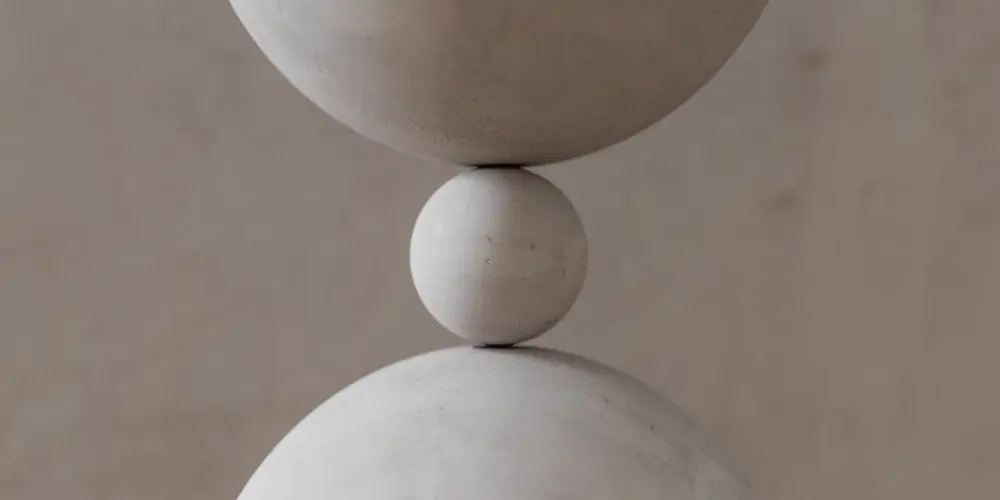
In the contemporary digital design landscape, there has been a profound shift away from the loud, oversaturated color palettes that once dominated social media and desktop backgrounds. Instead, we are seeing the emergence of a more sophisticated, subdued aesthetic: the 3D grey food wallpaper. This trend marries the intricate, tactile details of food photography with the calming, neutral tones of monochromatic minimalism. By stripping away the distraction of color, these visuals force the viewer to focus on the pure form, texture, and structural complexity of the subject matter.
Whether it is the jagged edge of a piece of dark chocolate, the soft, pillowy folds of a pastry, or the crystalline structure of sea salt, 3D rendered food in shades of grey offers a sensory experience that color often obscures. It is an exploration of visual texture that transforms everyday nourishment into high-concept digital art.
- Why grey food aesthetics are trending
- The technical mastery behind 3D food rendering
- How to use neutral wallpapers for productivity
- Finding the perfect resolution for your devices
Understanding the Appeal of Grey Food Aesthetics
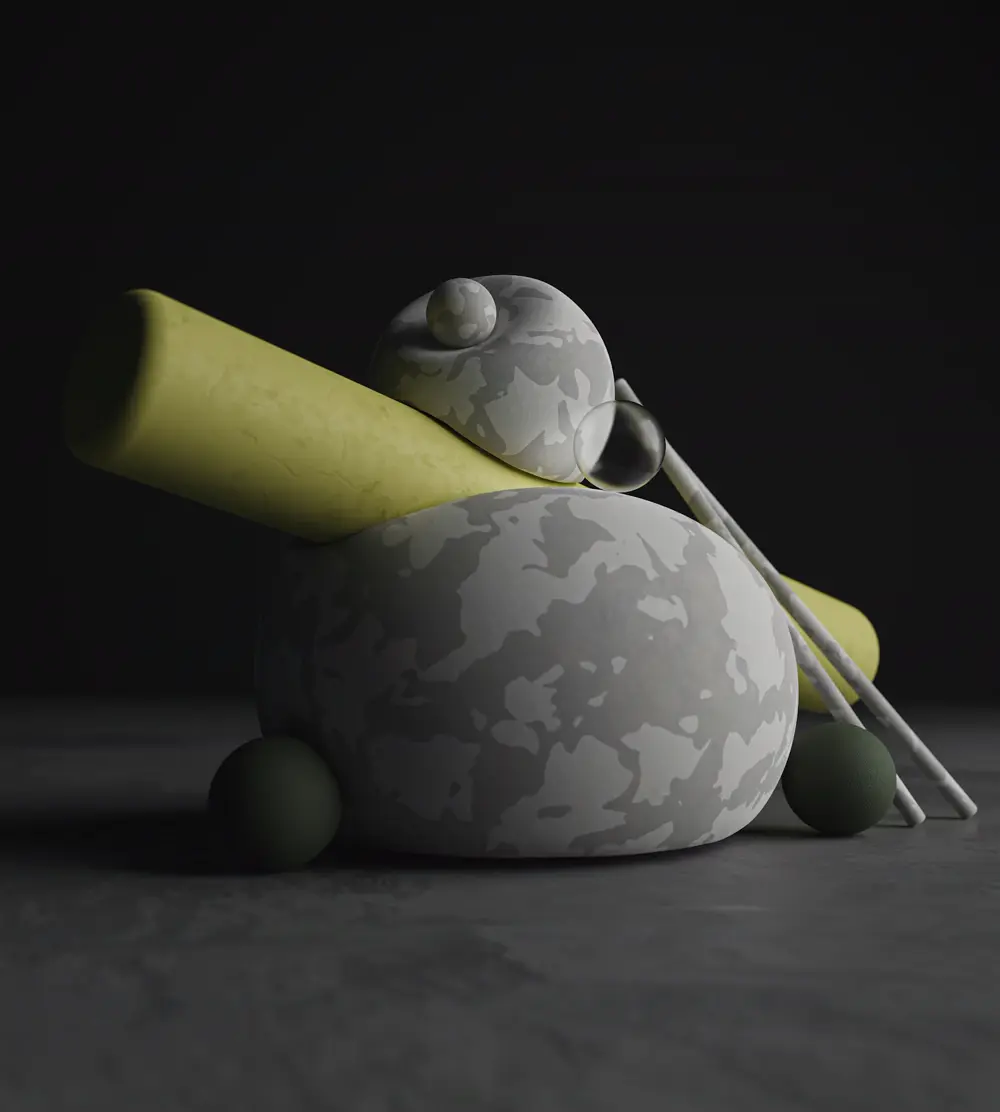
The attraction to a monochromatic palette is not merely a matter of fashion; it is deeply rooted in how our brains process visual information. When we look at a bright red apple, our brain identifies the color immediately, often bypassing the nuance of its surface. However, when that same apple is presented in a 3D grey render, the eye is compelled to look for specular highlights, shadows, and micro-textures to define its shape.
This shift in focus allows for a deeper appreciation of minimalism in digital environments. For many users, a desktop cluttered with vibrant, busy images can lead to cognitive fatigue. A 3D grey food wallpaper provides a sense of order and tranquility. It acts as a sophisticated backdrop that complements your icons and windows rather than competing with them. It is an ideal choice for professionals in creative industries who want a workspace that feels curated and intentional without being distracting.
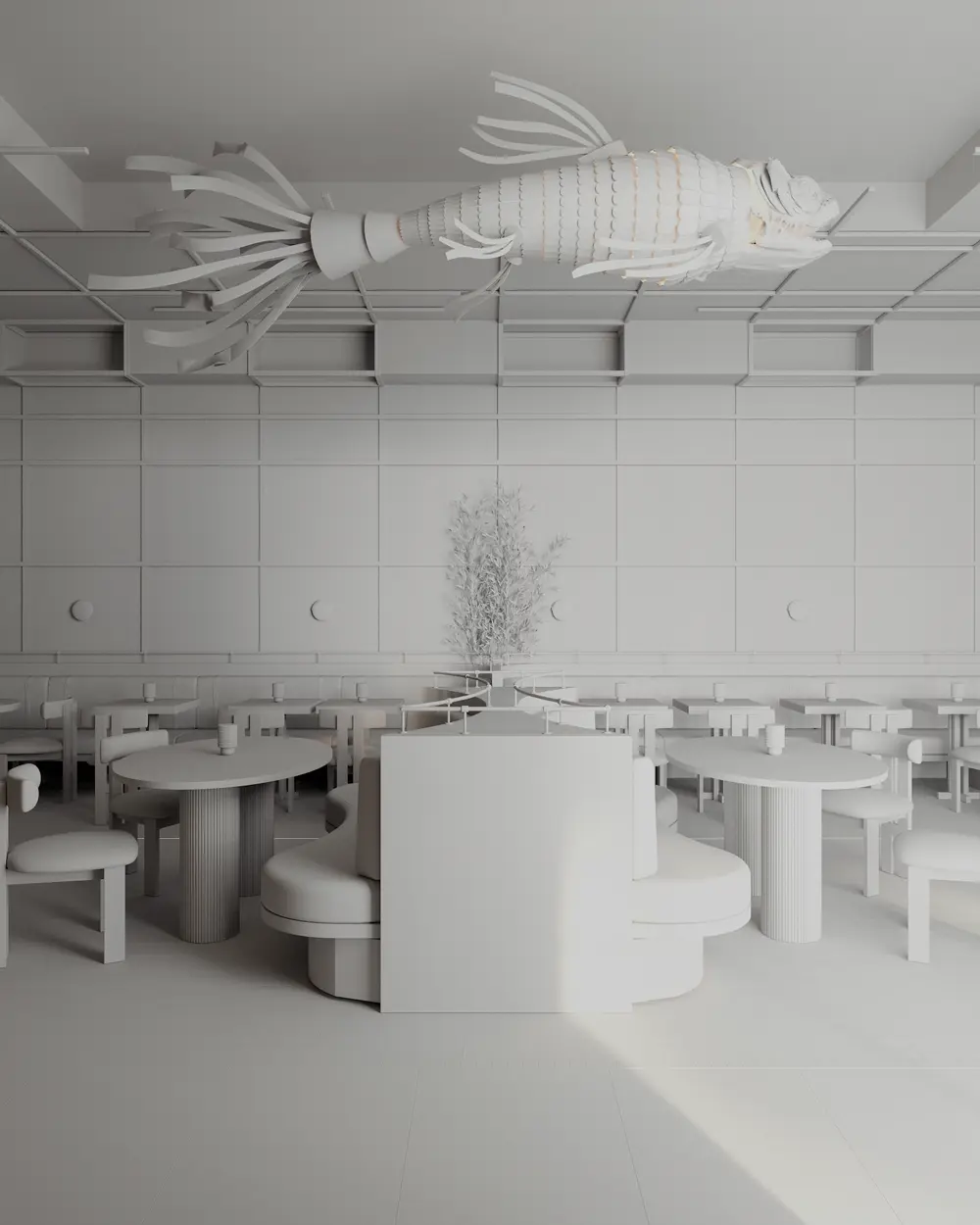
Furthermore, the use of wallpaper in this specific style allows for a unique interplay between light and shadow. In 3D software, artists can manipulate ambient occlusion and global illumination to create depth that feels almost touchable. This tactile quality is what separates a standard photograph from a high-end 3D render.
The Psychology of Neutral Tones
Grey is often perceived as a color of stability, neutrality, and sophistication. In the context of food, which is traditionally associated with warmth and appetite, turning it grey creates a fascinating aesthetic dissonance. It moves the object from the realm of ‘consumption’ to the realm of ‘observation.’ This detachment is exactly what makes it a powerful tool for digital design and personal device customization.
The Technical Artistry of 3D Food Rendering
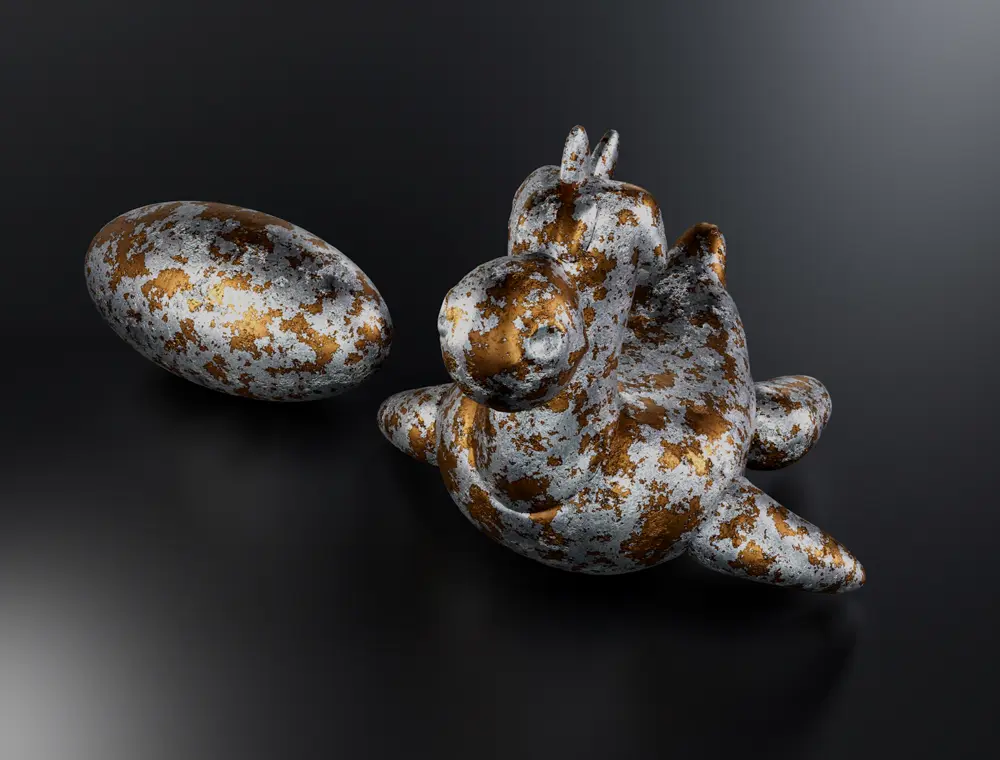
Creating a realistic 3D grey food wallpaper requires more than just a basic understanding of 3D modeling. It requires a mastery of procedural texturing and light physics. To make a grey object look like real food, an artist must simulate how light interacts with organic surfaces.
Mastering Surface Textures
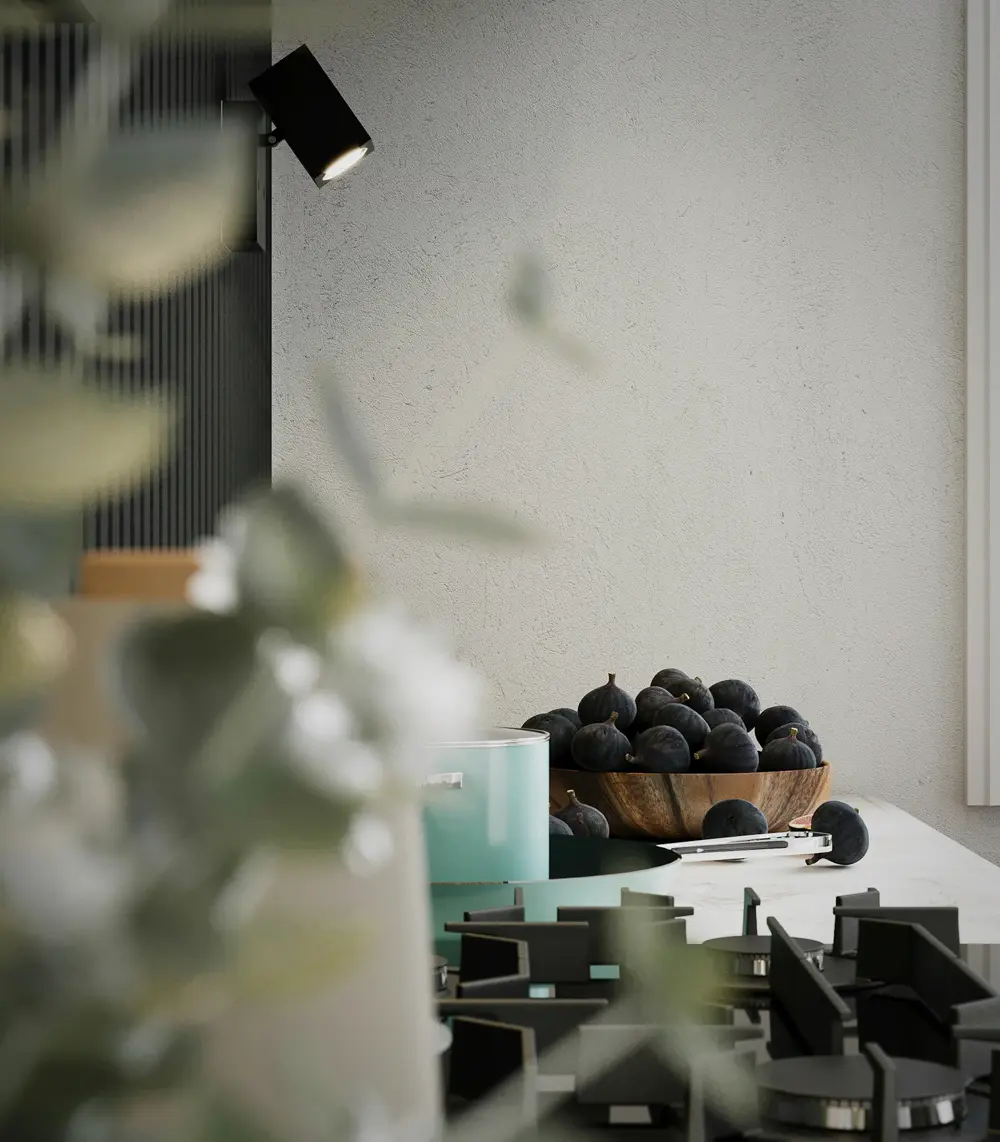
In a monochromatic setting, texture is king. Artists use displacement maps and bump maps to create the fine details that define food. For instance, if the subject is a loaf of bread, the artist must meticulously render the porous nature of the crust and the delicate flakiness of the crumbs. Without color to provide context, these micro-details are the only way the human eye can recognize the object as food. The goal is to achieve a level of hyper-realism where the viewer can almost sense the crunch or the softness through the screen.
The Role of Lighting and Shadows
Lighting is the most critical component in monochromatic 3D art. Since there is no hue to separate the subject from the background, tonal contrast becomes the primary driver of depth. High-key lighting can create a clean, ethereal look, while low-key lighting—utilizing heavy shadows and dramatic rim lighting—can produce a moody, cinematic atmosphere. The way light catches the edge of a liquid pour or the curve of a fruit determines whether the wallpaper feels flat or truly three-dimensional.
Optimal Uses for 3D Food Wallpapers
While many people use these images simply for decoration, there are strategic ways to integrate neutral culinary art into your digital life.
Enhancing Digital Productivity
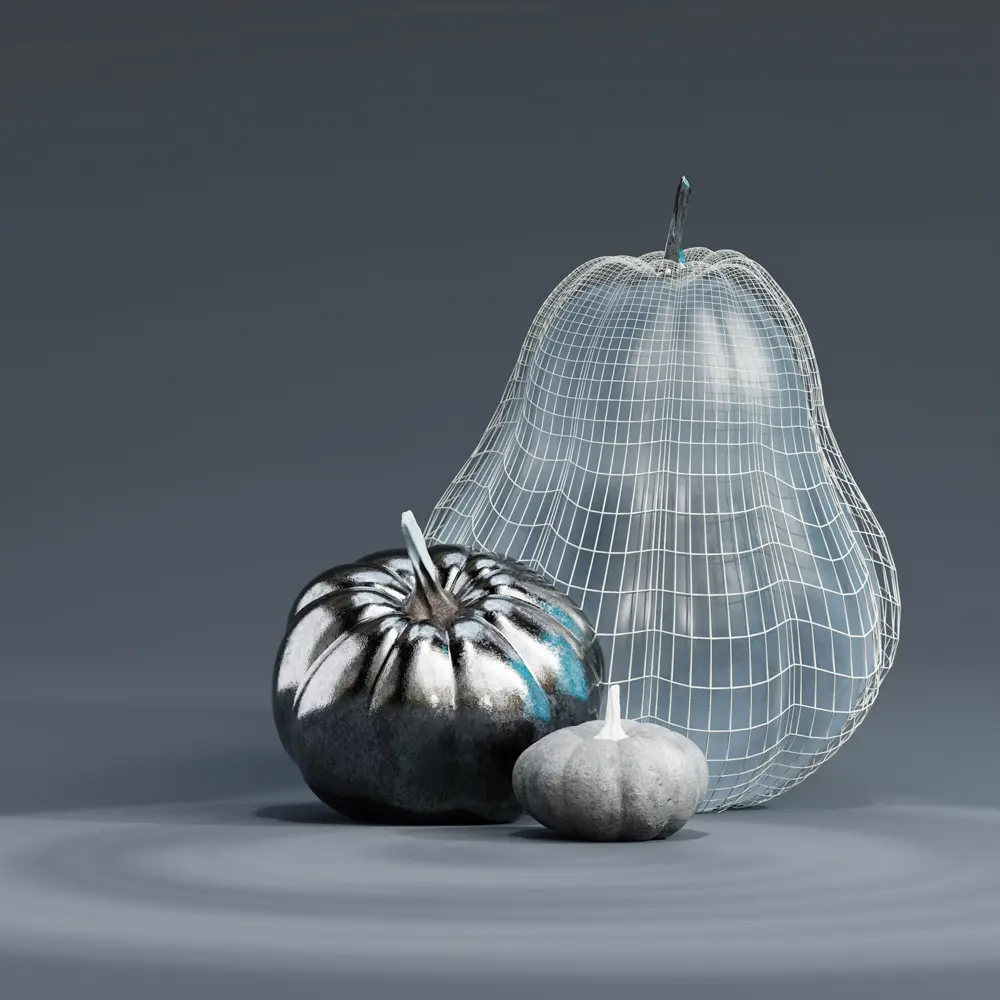
For those who spend long hours staring at a screen, visual clutter is a real productivity killer. Bright, high-contrast images can cause eye strain and mental distraction. A 3D grey food wallpaper serves as a ‘low-arousal’ visual stimulus. It provides enough interest to be aesthetically pleasing, but not enough to break your concentration. It is the digital equivalent of a clean, minimalist office space.
Professional Branding and UI Design
Graphic designers often use these types of renders as background assets for websites or mobile applications. Because the color is neutral, these images do not clash with brand colors or typography. They provide a high-end, ‘luxury’ feel that is often associated with premium lifestyle brands. Using a monochromatic food render as a backdrop for a menu or a high-fashion website can elevate the entire user experience.
Choosing the Right High-Resolution Visuals
When searching for your perfect 3D grey food wallpaper, quality is paramount. Because these images rely so heavily on texture, any compression artifacts or low resolution will be immediately noticeable and will ruin the illusion of depth.
- Resolution: Always aim for at least 4K (3840 x 2160) to ensure the textures remain sharp on larger monitors.
- Aspect Ratio: Ensure the image matches your device’s aspect ratio (e.g., 16:9 for desktop, 9:16 for mobile) to avoid awkward cropping that might cut off the main subject.
- DPI and Clarity: Look for files that offer high pixel density. In monochromatic art, the subtle gradients in the grey tones are where the beauty lies; low-quality files will show ‘banding’ in these areas.
Conclusion
The 3D grey food wallpaper is more than just a passing trend; it is a testament to the power of minimalism and the technical evolution of digital art. By focusing on form, texture, and light, these images offer a sophisticated way to personalize our digital environments. Whether you are seeking a distraction-free workspace or a high-concept piece of art for your mobile device, the monochromatic culinary aesthetic provides a timeless and elegant solution.
Frequently Asked Questions
1. Why do grey food wallpapers look more realistic than colored ones?
By removing color, the human eye is forced to focus on lighting, shadows, and texture. This emphasizes the physical properties of the object, making the 3D modeling and shading appear more profound and realistic.
2. Can these wallpapers help reduce eye strain?
Yes. Neutral, monochromatic tones generally have lower visual impact than highly saturated colors. This can help reduce the cognitive load and visual stimulation, making them ideal for long work sessions.
3. What software is used to create 3D food renders?
Professional artists typically use industry-standard software such as Blender, Autodesk Maya, or Cinema 4D, often paired with powerful rendering engines like OctaneRender or Redshift to achieve hyper-realistic results.
4. Are these wallpapers suitable for professional presentations?
Absolutely. Because they are minimalist and neutral, they act as an excellent background that won’t compete with your text or data, providing a sophisticated and modern aesthetic.
5. How can I tell if a 3D wallpaper is high quality?
Look for smooth gradients in the shadows (no banding), sharp details in the textures (no blurring), and a high resolution that matches your screen’s native capabilities.
Related posts:

New screens deserve new looks — the 3d-wallpaper shelf keeps growing, so check back for the latest drops.
Bookmark this collection so your next wallpaper swap is one click away.
