
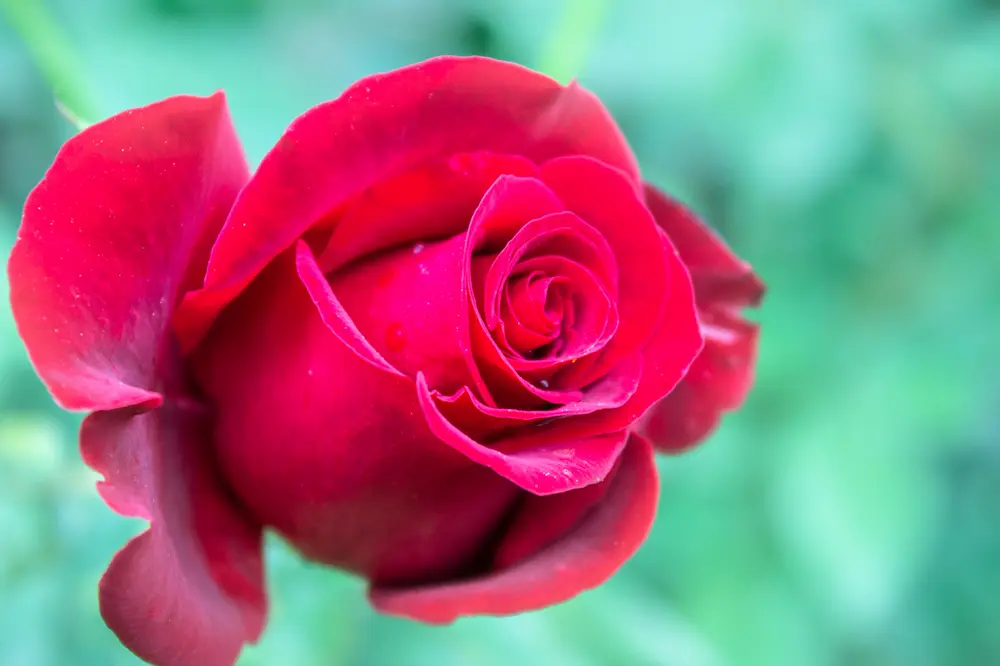
Red is the color of passion, energy, and bold statement. When channeled through the delicate structure of a flower, it creates a visual impact that is both timeless and modern. Whether you are looking to energize a home office, add warmth to a bedroom, or simply elevate your digital presence, choosing the right red flower wallpaper can transform a space instantly. It is not just about decoration; it is about setting a mood and defining a personal aesthetic that resonates with your daily life.
- The Psychology of Red Botanicals
- Styles and Aesthetics to Consider
- Practical Placement Strategies
- Digital vs. Physical Applications
- Common Mistakes to Avoid
The Psychology of Red Botanicals
Color psychology plays a pivotal role in interior design and digital experience. Red is often associated with strong emotions such as love, anger, and excitement. When paired with flowers, the aggression of the color is softened by the organic beauty of the petals. This combination creates a balance between dynamic energy and natural calmness. Unlike solid red walls, which can feel overwhelming, red floral patterns offer a more nuanced visual experience. They draw the eye without demanding constant attention, making them ideal for spaces where you want to feel inspired but not stressed.
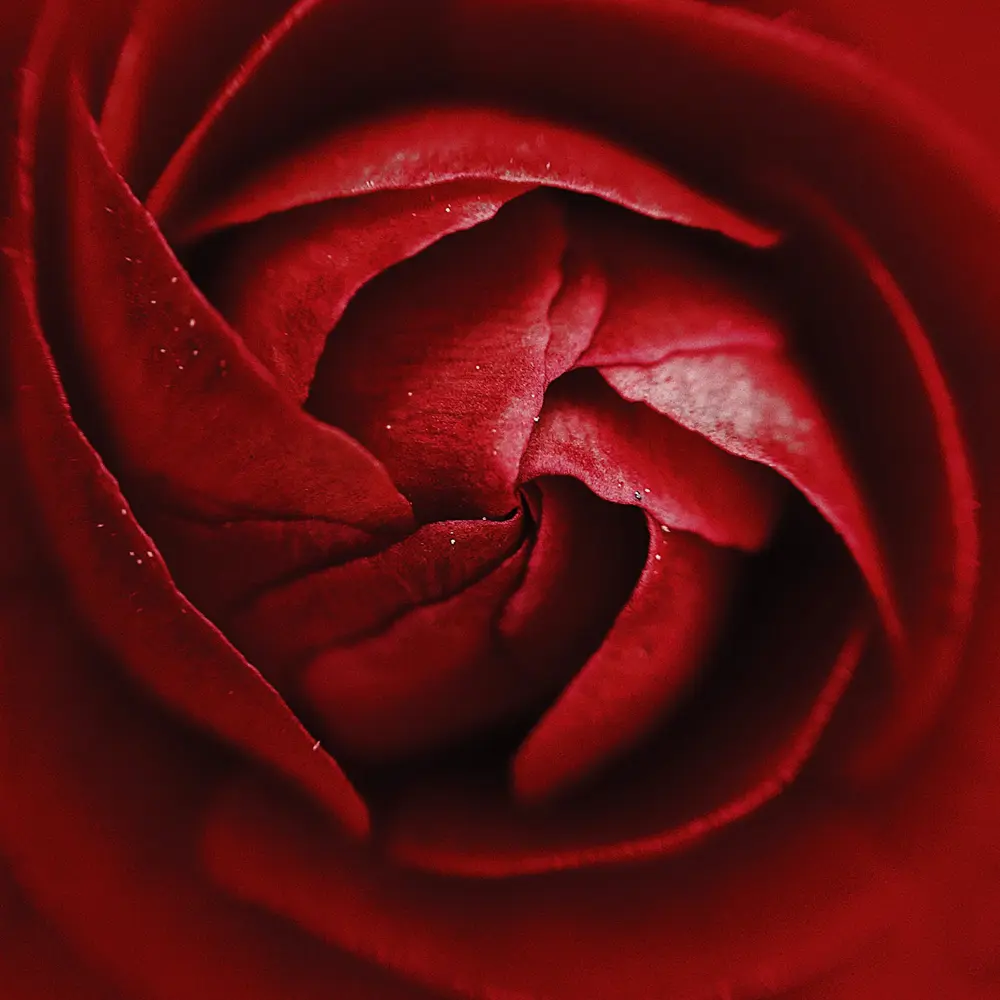
In a professional setting, subtle red floral accents can stimulate creativity and alertness. For personal spaces, they can foster feelings of warmth and romance. Understanding this psychological underpinning helps you choose the right shade and intensity of red to match your specific environment. Whether it is a deep burgundy rose or a bright scarlet tulip, each variation carries a slightly different emotional weight.
If you are interested in exploring more color theories for your space, you might find our guide on color psychology helpful. Additionally, understanding how different hues interact with lighting is crucial. You can learn more about this in our article on lighting design basics.
Styles and Aesthetics to Consider
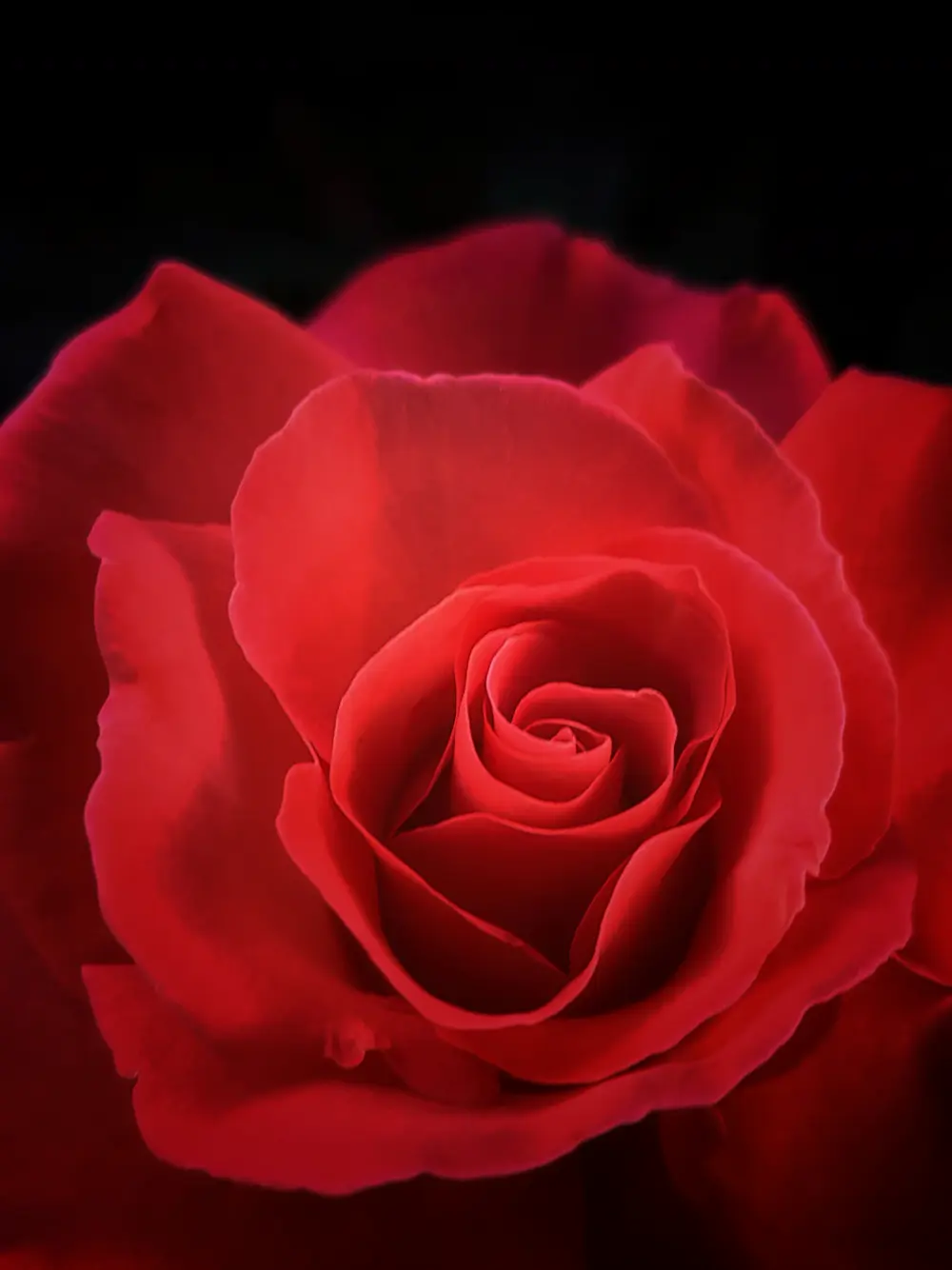
Not all red flower wallpapers are created equal. The style of the floral pattern significantly affects the overall vibe of a room or digital screen. Here are the most popular aesthetic directions:
Classic Botanical Prints
These designs mimic traditional botanical illustrations, often featuring watercolor textures and muted backgrounds. They evoke a sense of history and elegance, perfect for living rooms or formal dining areas. The focus here is on detail and accuracy, celebrating the natural form of the flower.
Modern Minimalist Flavors
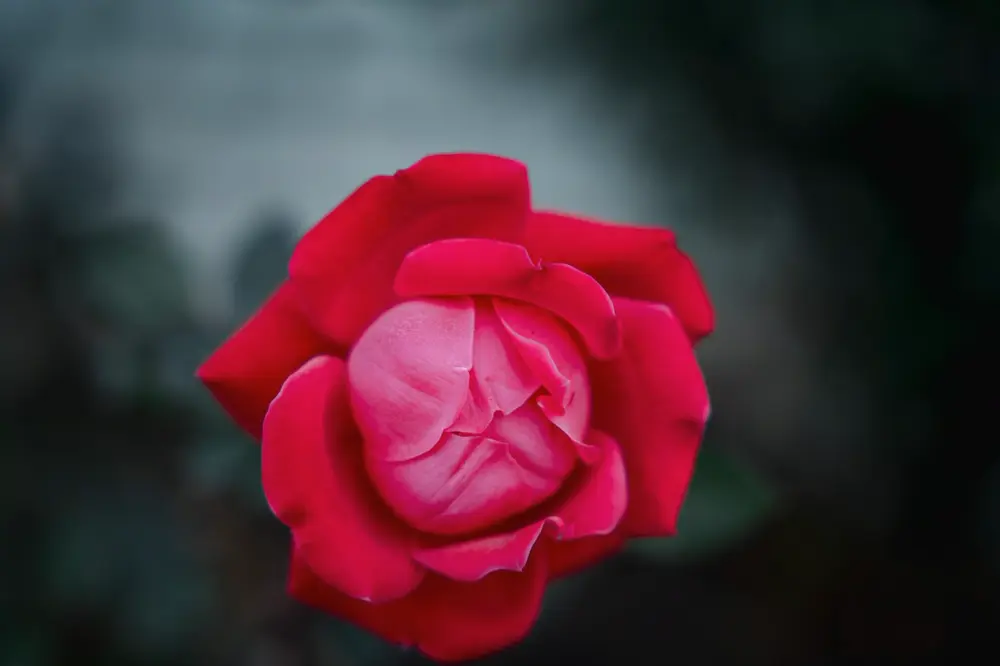
For those who prefer a contemporary look, minimalist red floral wallpapers feature single blooms or abstract petal shapes against clean, white, or light gray backgrounds. This style allows the red to pop without competing with clutter. It is highly effective for small spaces where you want to avoid visual noise.
Bohemian and Rustic Patterns
Boho style often incorporates dried flowers, earthy tones, and imperfect textures. A red flower wallpaper in this style might feature wildflowers or roses with a distressed finish. This aesthetic adds character and a lived-in feel, making it a favorite for casual lounges and creative studios.
Practical Placement Strategies
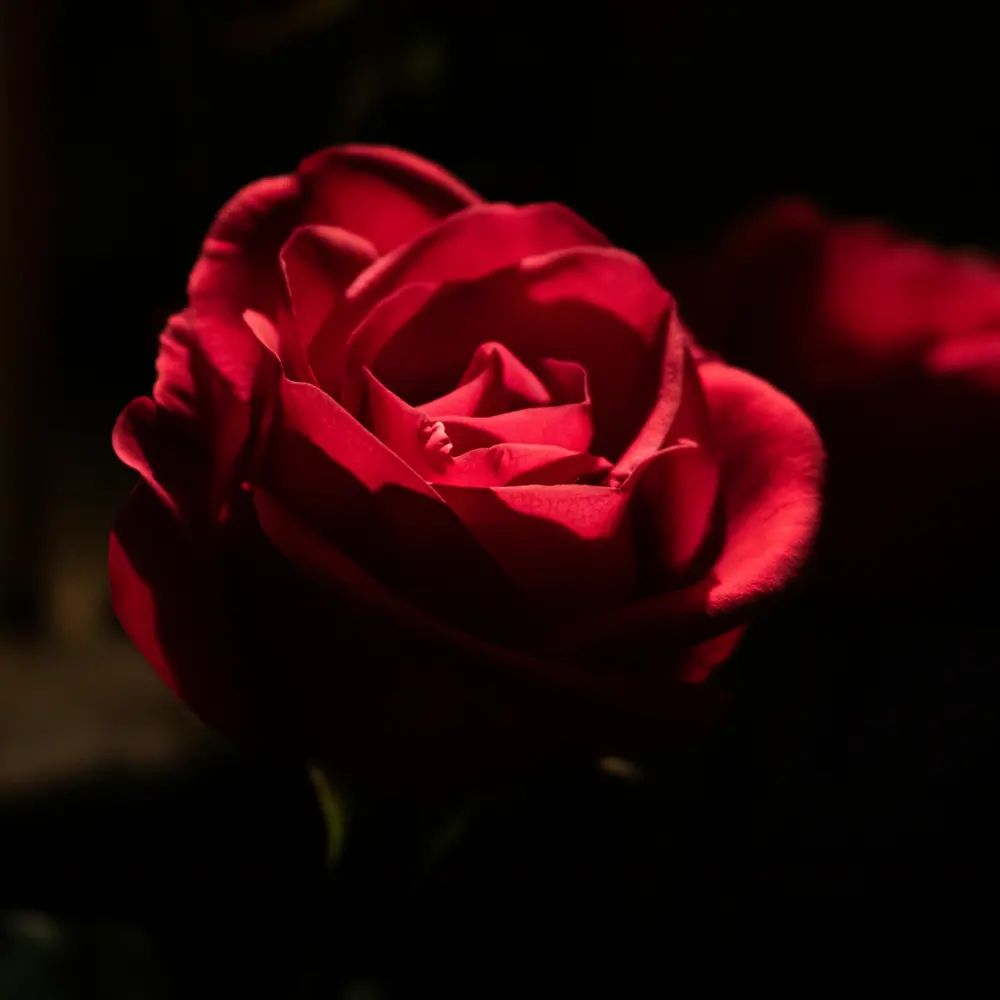
Where you place your red flower wallpaper matters as much as what you choose. In physical interiors, a common strategy is to use red florals as an accent wall. This prevents the vibrant color from dominating the entire room, which can make it feel smaller. Place the wallpaper behind a bed, a sofa, or a piece of statement furniture to anchor the space.
In digital contexts, such as phone or desktop wallpapers, the composition should account for user interface elements. For phone screens, ensure the main floral element is not obscured by notifications or the clock. For desktops, keep the center clear for icons if you use a standard layout, or choose a panoramic image for ultrawide monitors to maintain balance.
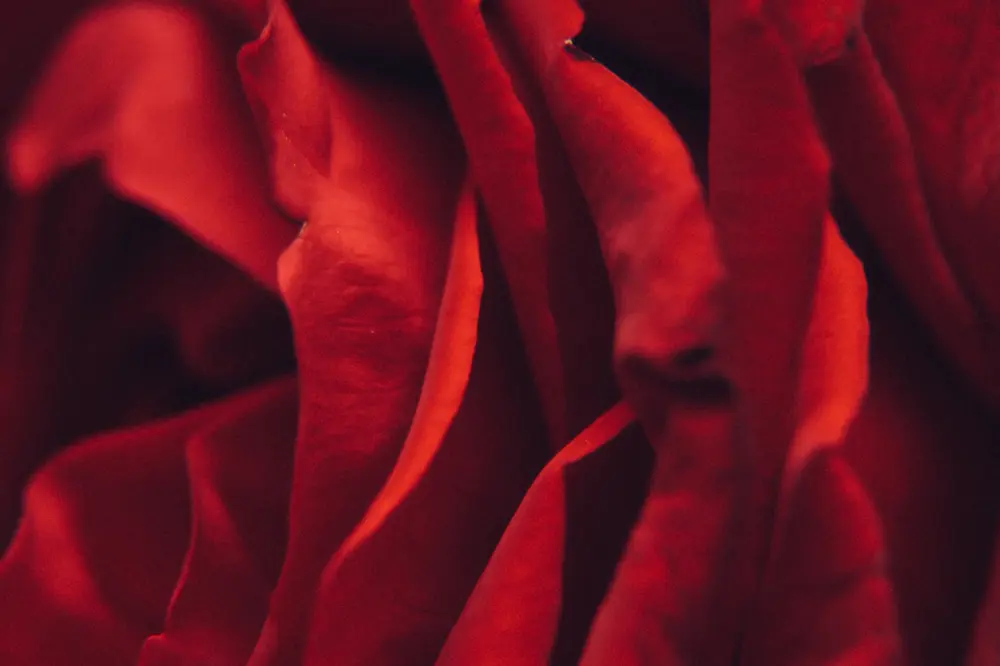
Consider the surrounding elements. If your furniture is neutral, a bold red floral wallpaper will serve as the focal point. If your room already contains many patterns, choose a wallpaper with a simpler, less busy design to avoid visual chaos. This balance is key to achieving a cohesive look that feels intentional rather than accidental.
Digital vs. Physical Applications
The medium changes the requirements for the artwork. Physical wallpaper needs to withstand wear and tear, while digital wallpapers prioritize resolution and color accuracy. For digital use, high-resolution images are essential to prevent pixelation. Look for files in PNG or high-quality JPEG formats that support 4K or higher resolutions for desktops.
For physical walls, the material of the wallpaper affects how the red hue appears. Matte finishes reduce glare, making the colors look softer and more sophisticated. Glossy finishes, on the other hand, enhance the vibrancy of the red but can create distracting reflections in well-lit rooms. Always consider the lighting conditions of your space when selecting the finish.
Digital wallpapers also offer the advantage of easy changeability. You can switch seasons or moods by simply changing your background. This flexibility makes digital red flower wallpapers a low-commitment way to experiment with bold color palettes. Many users rotate their wallpapers weekly to keep their digital environment fresh and engaging.
Common Mistakes to Avoid
Even with the best intentions, it is easy to make design errors when incorporating bold patterns. One common mistake is ignoring the scale of the pattern. Large floral prints can overwhelm small rooms, making them feel cramped. In such cases, opt for smaller motifs or a lighter background color to create a sense of openness.
Another pitfall is clashing with existing decor. If your room features strong geometric lines or industrial metals, a soft, watercolor red floral wallpaper might feel out of place. Ensure that the style of the wallpaper complements the overall design language of the space. Consistency is key to a harmonious environment.
Finally, do not underestimate the power of negative space. A red flower wallpaper that is too dense can be visually tiring. Look for designs that allow the background to breathe. This balance ensures that the wallpaper remains a pleasant backdrop rather than a source of visual fatigue. Remember, the goal is to enhance your space, not to compete with it.
Conclusion
Red flower wallpaper is a versatile tool for both interior design and digital aesthetics. By understanding the psychological impact, choosing the right style, and applying strategic placement, you can create a space that feels vibrant, intentional, and uniquely yours. Whether you are updating your home office or refreshing your phone screen, the right red floral image can bring energy and beauty to your daily routine. Take the time to explore different patterns and shades, and do not be afraid to experiment with bold colors. Your space reflects your personality, and a well-chosen red flower wallpaper is a confident statement of that identity.
Frequently Asked Questions
How do I choose the right red shade for a small room?
For small rooms, lighter shades of red such as soft coral or dusty rose are often better than deep crimson, as they reflect more light and make the space feel larger. Pair these with light-colored furniture to maintain an open feel.
Can red flower wallpaper be used in a bedroom?
Yes, but it is best used as an accent wall rather than covering all four walls. This prevents the color from being overwhelming and helps you relax. Choose a pattern with a calm background to promote a restful atmosphere.
What is the best resolution for a digital red flower wallpaper?
For desktops, aim for at least 1920×1080 pixels, with 4K (3840×2160) being ideal for modern monitors. For phones, ensure the image matches your specific screen aspect ratio to avoid cropping key elements of the flower.
Does red flower wallpaper make a room feel smaller?
It can, if the pattern is too large or the color is too dark. To avoid this, use a wallpaper with a light background and smaller floral motifs. This creates a sense of depth and airiness, counteracting the potential for visual compression.
How often should I change my digital wallpaper?
There is no strict rule, but many users change their wallpapers every few weeks or with the seasons. This keeps the digital environment fresh and can help maintain a sense of novelty and inspiration in your daily workflow.
Related posts:

Still browsing? Beige Dragon Wallpaper: Top Aesthetic Ideas is another collection worth a look — fresh picks in the same spirit.
Share this page with a friend who is hunting for a fresh background.
