
16K Resolution: Exploring the Future of Wallpapers
For decades, the pursuit of higher resolution displays has been a driving force in the technology world. From the early days of standard definition to the now-commonplace 4K and 8K, each leap forward has brought with it a more immersive and detailed visual experience. But what lies beyond 8K? The answer, increasingly, is 16K. While still largely conceptual for mainstream use, 16K resolution is beginning to shape discussions about the future of displays, gaming, and, of course, wallpapers. This article delves into the world of 16K, examining what it is, the technology required to support it, its potential applications, and what it means for the future of digital imagery.
Currently, most consumers are experiencing content in 4K (3840 x 2160 pixels) or, increasingly, 8K (7680 x 4320 pixels). 16K, on the other hand, boasts a staggering resolution of 15360 x 8640 pixels. This equates to 768 megapixels – four times the resolution of 8K and sixteen times that of 4K. To put that into perspective, it’s an immense amount of visual information packed into a single frame. The implications of such a high resolution are far-reaching, impacting everything from the hardware needed to display it to the content creation process itself.
Understanding the Technical Challenges
Achieving 16K resolution isn’t simply a matter of increasing pixel count. It presents significant technical hurdles. One of the most prominent is bandwidth. Transmitting and processing this volume of data requires incredibly fast connections and powerful processing capabilities. Current HDMI standards, while continually evolving, are already stretched with 8K content. New standards, like HDMI 2.1 and beyond, are essential to handle the data throughput required for seamless 16K playback.
Another challenge lies in processing power. Rendering images and videos at 16K demands immense computational resources. Graphics cards and CPUs need to be significantly more powerful than those currently available to handle the workload without lag or stuttering. This necessitates advancements in both hardware architecture and software optimization. The cost of such powerful hardware is also a significant barrier to entry for most consumers.
Display technology itself needs to evolve. While pixel density is already high on many modern displays, achieving a truly convincing 16K experience requires even smaller and more densely packed pixels. MicroLED and advanced OLED technologies are promising contenders, offering the potential for the necessary pixel density and contrast ratios. The human eye’s ability to discern detail also plays a role; beyond a certain point, the benefits of increased resolution become less noticeable, especially at typical viewing distances. However, for very large displays or immersive experiences, the advantages of 16K remain substantial.
Potential Applications of 16K Resolution
While widespread adoption of 16K is still some years away, several areas are poised to benefit from this technology. One key application is professional video editing and post-production. The increased detail allows for more precise editing and color grading, resulting in higher-quality final products. Filmmakers and visual effects artists can leverage 16K to create incredibly realistic and immersive experiences.
Gaming is another area where 16K could have a transformative impact. Imagine playing a graphically demanding game at 16K resolution on a large display. The level of detail and realism would be unparalleled, creating a truly immersive gaming experience. However, this requires not only powerful hardware but also games specifically designed to take advantage of the increased resolution. Perhaps you’d like to learn more about gaming and its future.
Beyond entertainment, 16K has potential applications in fields like medical imaging, scientific visualization, and architectural design. In medical imaging, the increased resolution could allow doctors to diagnose conditions with greater accuracy. In scientific visualization, researchers can explore complex data sets in greater detail. Architects can create incredibly realistic renderings of their designs, allowing clients to experience the space before it’s even built.
The Impact on Wallpapers
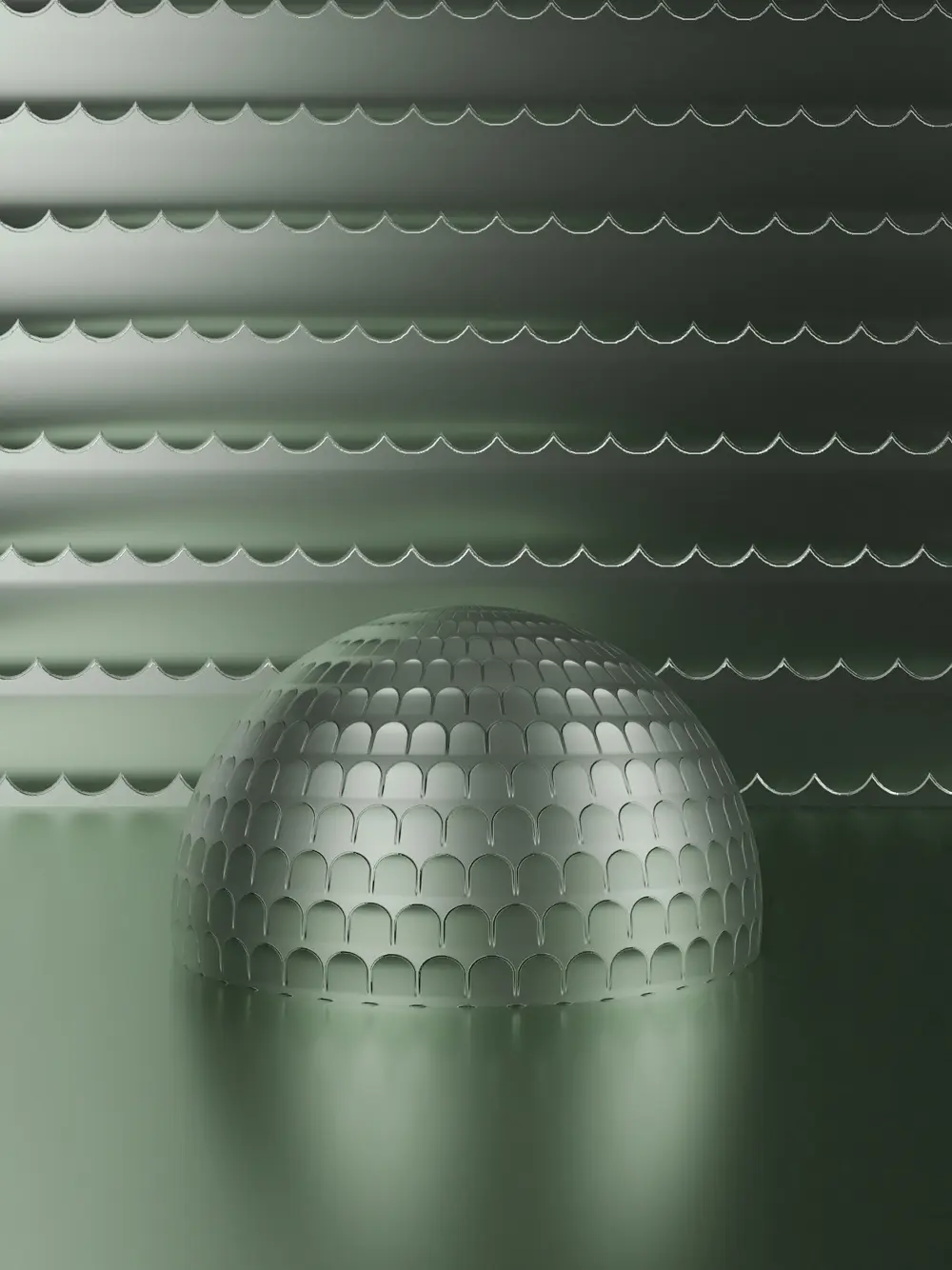
The advent of 16K resolution will inevitably change the landscape of digital wallpapers. Current wallpapers, even in 4K or 8K, will appear noticeably pixelated on a 16K display. This creates a demand for new wallpapers specifically designed for this ultra-high resolution. These wallpapers will need to be incredibly detailed and high in quality to take full advantage of the display’s capabilities.
The creation of 16K wallpapers presents its own set of challenges. Traditional photography and digital art techniques may not be sufficient to capture the level of detail required. New techniques, such as computational photography and procedural generation, may be necessary. The size of these wallpaper files will also be substantial, requiring significant storage space. Consider the impact on storage solutions as resolution increases.
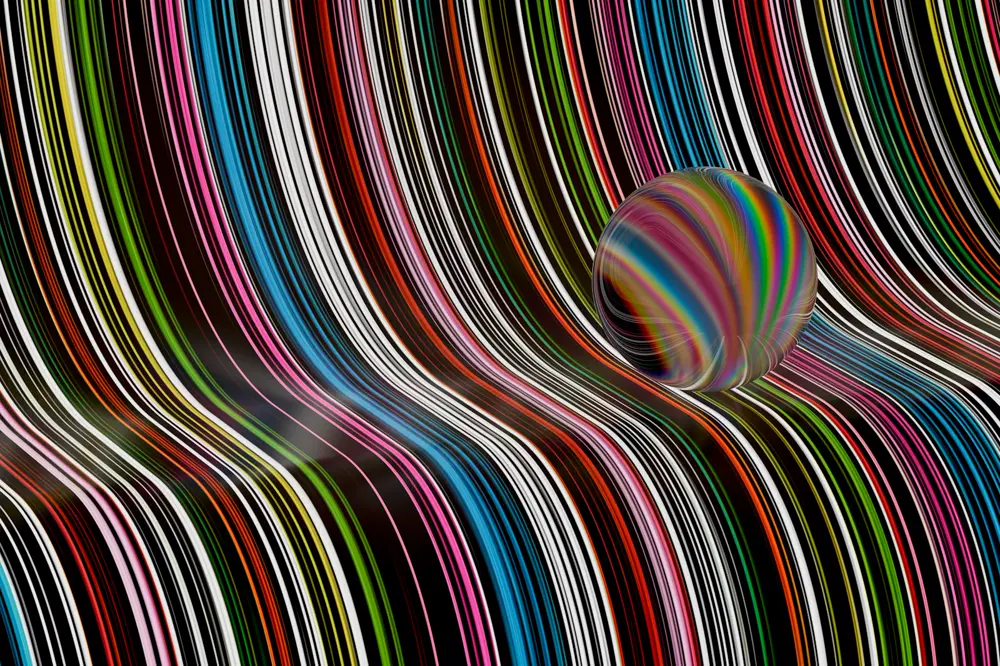
We can expect to see a rise in dynamic and interactive wallpapers that leverage the increased resolution to create more immersive and engaging experiences. These wallpapers could respond to user input, change based on the time of day, or even incorporate real-time data feeds. The possibilities are endless.
Looking Ahead: The Future is Ultra-High Definition
16K resolution is not just about increasing pixel count; it’s about pushing the boundaries of visual fidelity and creating more immersive experiences. While the technology is still in its early stages, the potential benefits are significant. As hardware becomes more powerful and affordable, and as content creation tools evolve, we can expect to see 16K resolution become more commonplace.
The journey to 16K is a testament to the relentless pursuit of innovation in the display industry. It’s a journey that will continue to shape the way we interact with digital content for years to come. The evolution of display technology is closely tied to advancements in technology as a whole.
Frequently Asked Questions
1. What is the actual benefit of 16K resolution for the average user?
Currently, the benefits are limited due to the high cost of hardware and lack of readily available 16K content. However, as technology advances and prices come down, 16K will offer a significantly more detailed and immersive visual experience, particularly on larger displays. The increased detail is most noticeable in large-format displays and can enhance both gaming and video viewing.
2. What kind of hardware is needed to support 16K resolution?
You’ll need a display capable of 16K resolution, a powerful graphics card with ample VRAM, a high-end CPU, and a fast connection (like HDMI 2.1 or later) to transmit the data. The hardware requirements are substantially higher than those for 4K or 8K.
3. Is 16K resolution overkill for most people?
For many users, yes, it is currently overkill. The human eye has limitations in its ability to perceive detail, and the benefits of 16K may not be noticeable on smaller displays or at typical viewing distances. However, for professionals and enthusiasts who demand the highest possible visual fidelity, 16K offers a significant advantage.
4. What are the main challenges in creating 16K content?
Creating 16K content requires immense processing power, large storage capacity, and specialized software. Capturing footage at 16K resolution is also challenging, often requiring multiple cameras and sophisticated stitching techniques. The file sizes are enormous, making editing and distribution difficult.
5. When can we expect to see 16K displays become widely available?
While some prototype 16K displays exist, widespread availability is still several years away. It will depend on advancements in display technology, processing power, and the development of 16K content. A realistic timeframe is likely 5-10 years, but it could be longer.
Related posts:


Plenty more backgrounds are waiting in the related collections below — keep browsing until one sticks.
Bookmark this collection so your next wallpaper swap is one click away.
