
Glitch Art: Exploring Distorted Pixel Wallpapers
In the digital age, where perfection is often the standard, a fascinating aesthetic has emerged that celebrates imperfection and error: glitch art. This art form intentionally introduces errors and distortions into digital images, creating visually striking and often mesmerizing results. A particularly popular manifestation of this trend is the use of distorted pixel wallpapers, offering a unique and edgy look for desktops, phones, and other digital displays. This article delves into the world of glitch art, focusing on the appeal of distorted pixel wallpapers and how they’ve become a significant part of contemporary digital culture.
The rise of glitch art isn’t simply about aesthetics; it’s a reflection of our relationship with technology. We live in a world increasingly reliant on digital systems, and glitches, once seen as frustrating errors, are now being embraced as a form of creative expression. This shift in perspective has led to a vibrant community of artists and enthusiasts exploring the boundaries of digital manipulation.
The Origins of Glitch Art
While the term “glitch art” is relatively recent, the practice itself has roots in earlier forms of artistic experimentation. Artists in the 1960s and 70s began exploring the possibilities of video feedback and signal manipulation, laying the groundwork for what would later become glitch art. However, the modern iteration of glitch art truly took off in the late 1990s and early 2000s with the advent of accessible digital tools and the rise of the internet.
Early glitch artists often worked with readily available software and hardware, intentionally corrupting data or exploiting bugs in programs to create unexpected visual effects. This DIY ethos remains a core tenet of the glitch art community. The aesthetic often evokes a sense of nostalgia for early digital technologies, reminding viewers of the limitations and quirks of older systems.
What Makes Distorted Pixel Wallpapers So Appealing?
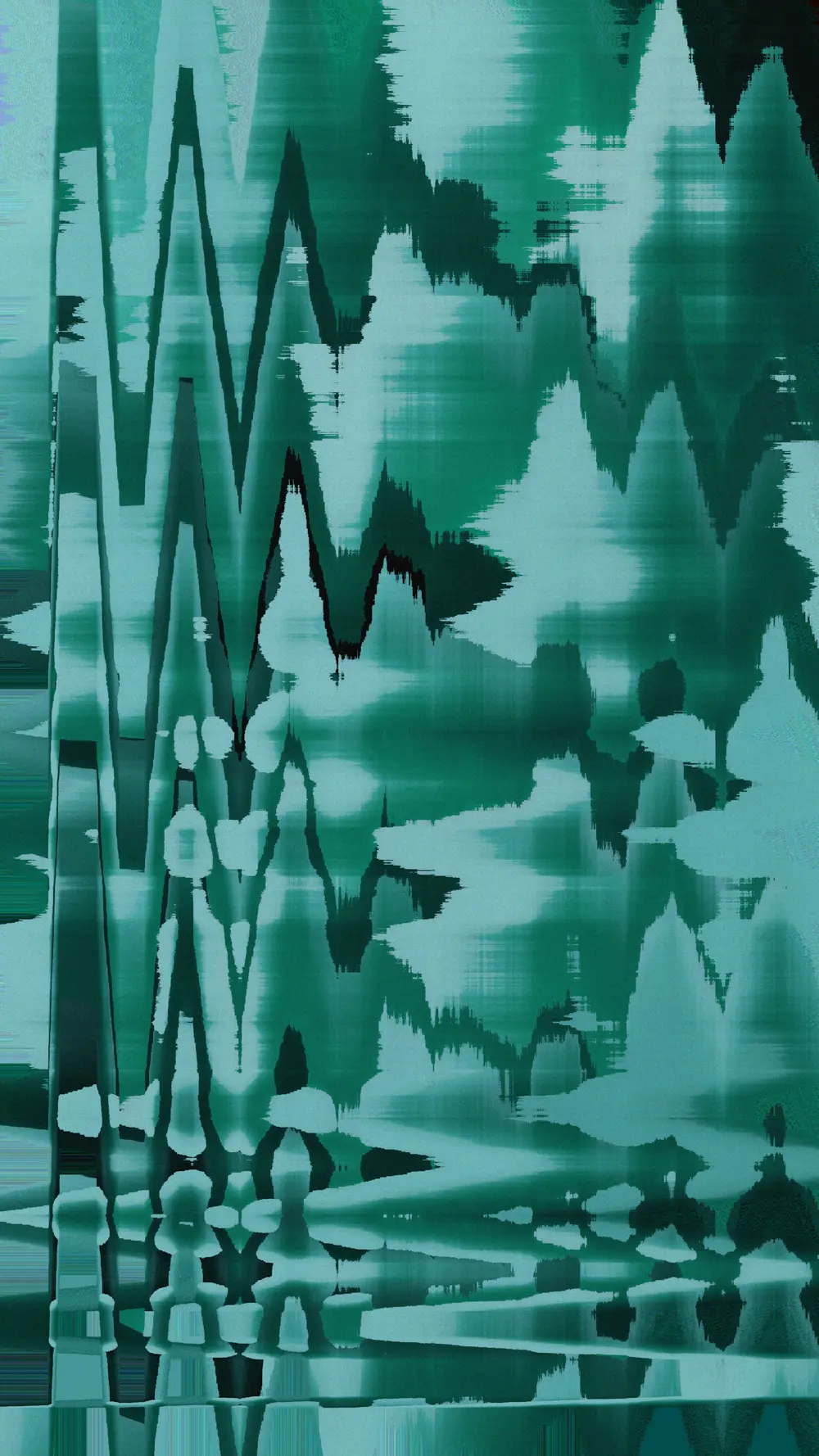
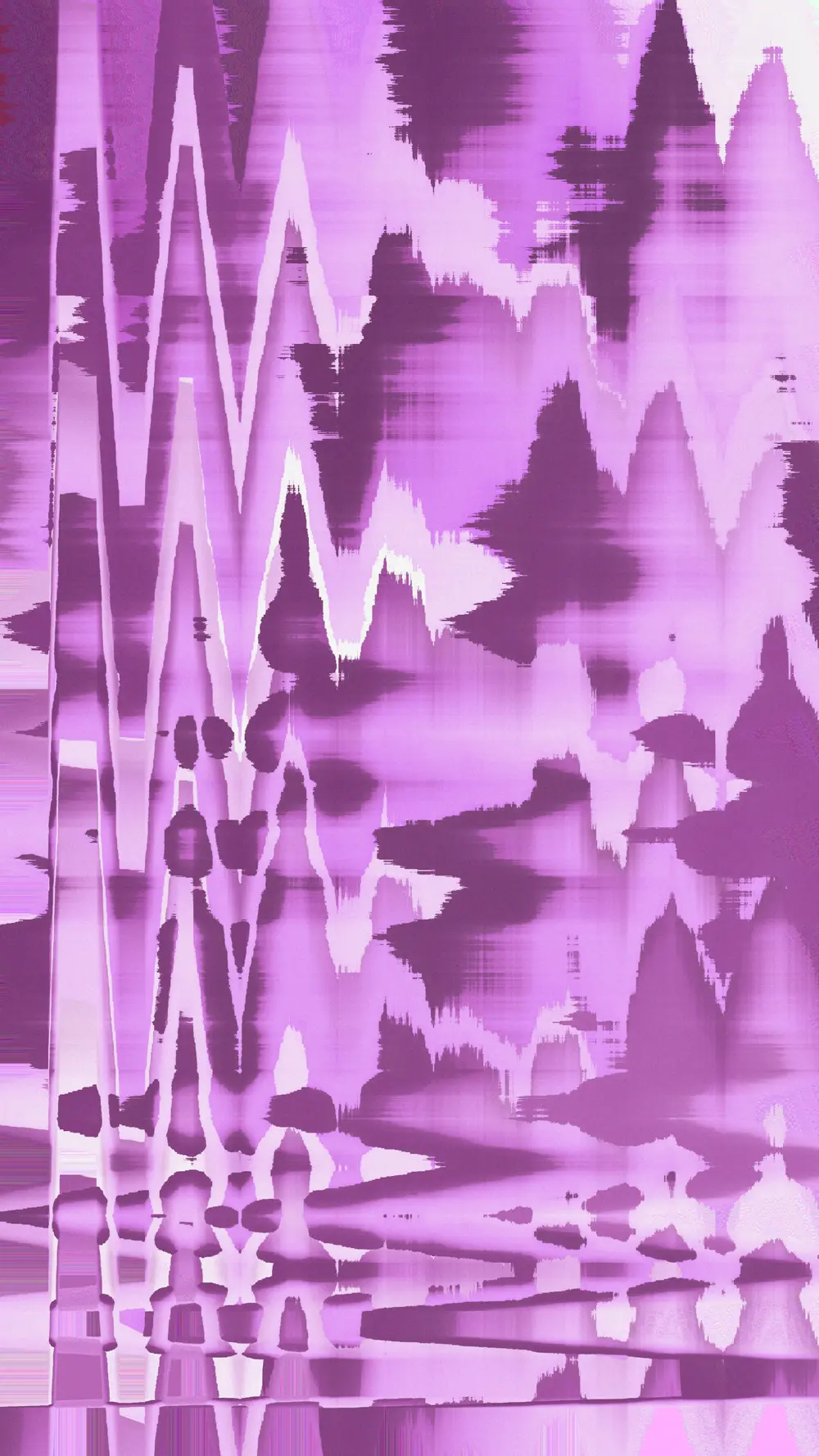
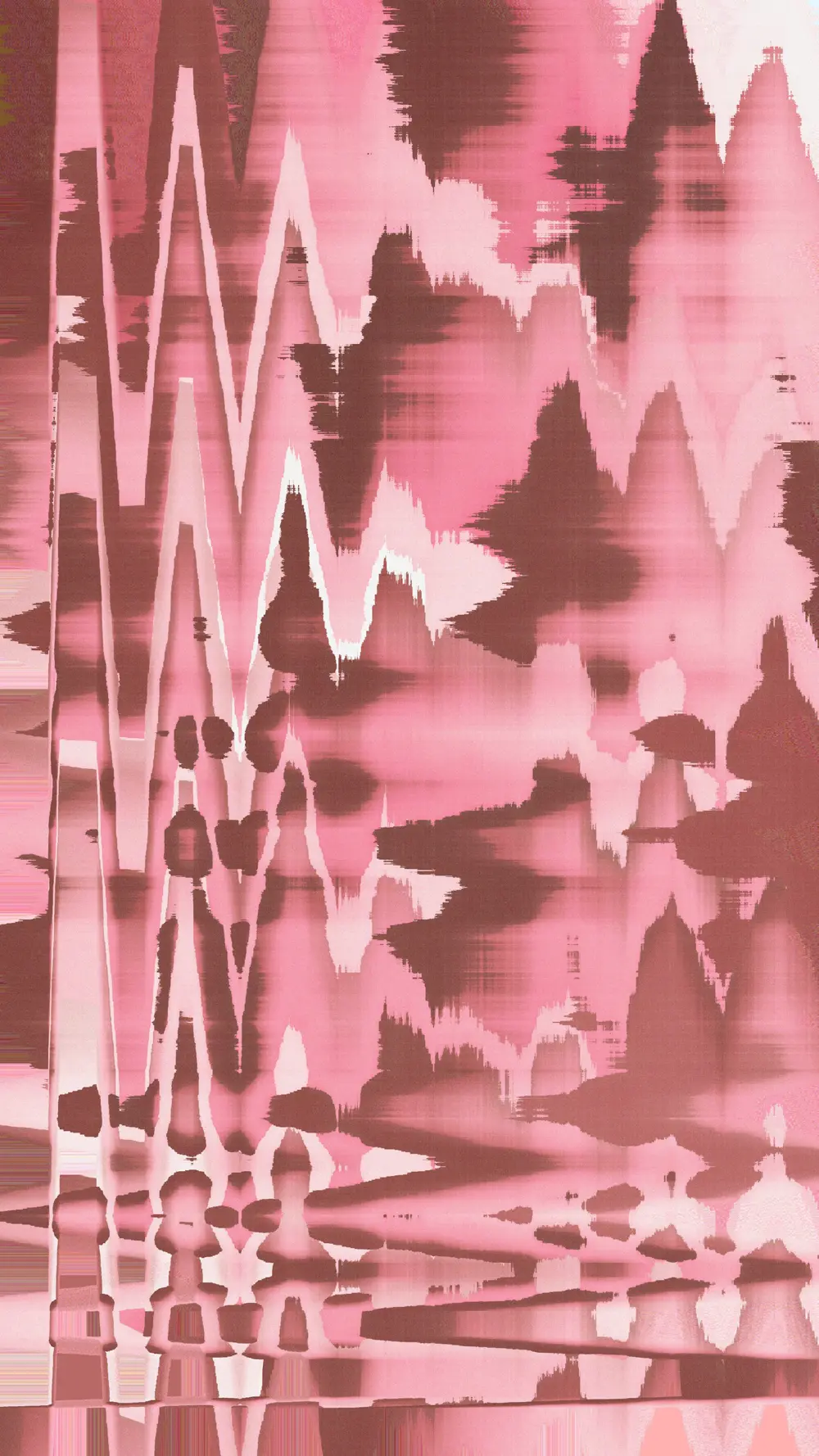
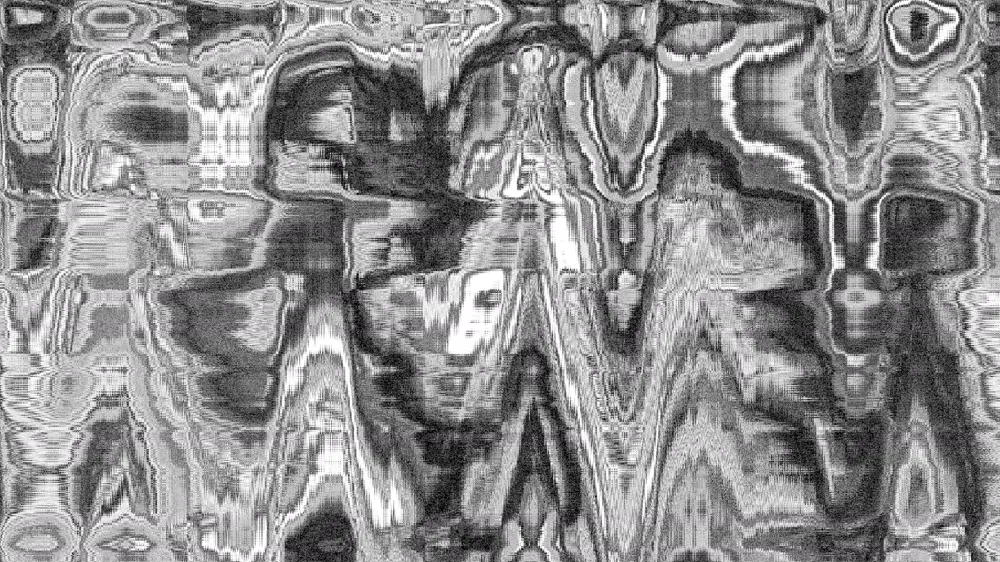
Distorted pixel wallpapers stand out within the broader glitch art movement due to their specific visual characteristics. The intentional manipulation of pixels – the fundamental building blocks of digital images – creates a sense of fragmentation and disruption. This can manifest in various ways, including:
- Pixel Sorting: Rearranging pixels based on brightness, color, or other criteria.
- Data Moshing: Intermixing data from different video or image files.
- Compression Artifacts: Exploiting the visual distortions that occur when images are heavily compressed.
- Color Channel Separation: Isolating and manipulating individual color channels (red, green, blue).
The appeal of these wallpapers lies in their ability to challenge our perceptions of reality. They present a familiar image – a landscape, a portrait, an abstract design – but in a fractured and distorted form. This creates a sense of unease and intrigue, drawing the viewer in and prompting them to question what they are seeing. The visual complexity can be quite captivating, offering a dynamic and ever-changing aesthetic. If you’re interested in learning more about digital art, you might find digital art a fascinating field to explore.
The Technical Side of Creating Glitch Art
Creating glitch art doesn’t necessarily require advanced technical skills, although a basic understanding of image editing software can be helpful. Many free and open-source tools are available that can be used to generate glitch effects. Some popular options include:
- Audacity: While primarily an audio editor, Audacity can be used to manipulate image data.
- Processing: A programming language and environment specifically designed for visual art and design.
- Dedicated Glitch Art Software: Several specialized programs offer a range of glitch effects and tools.
The process often involves experimenting with different techniques and parameters to achieve the desired effect. A key aspect is embracing randomness and allowing the software to introduce unexpected errors. This element of chance is often what gives glitch art its unique character. Understanding pixels and how they form images is also beneficial.
Glitch Art in Contemporary Culture
Glitch art has permeated various aspects of contemporary culture, extending beyond wallpapers and into music, fashion, and video games. Musicians use glitch effects to create distorted and experimental soundscapes. Fashion designers incorporate glitch patterns into clothing and accessories. Video game developers utilize glitch aesthetics to create unsettling or surreal environments.
The aesthetic has also become associated with counterculture and anti-establishment movements, representing a rejection of mainstream norms and a celebration of individuality. The fragmented and distorted nature of glitch art can be seen as a metaphor for the fragmentation and uncertainty of modern life. The use of these wallpapers can be a subtle way to express a unique personality and a willingness to embrace the unconventional.
Finding and Using Distorted Pixel Wallpapers
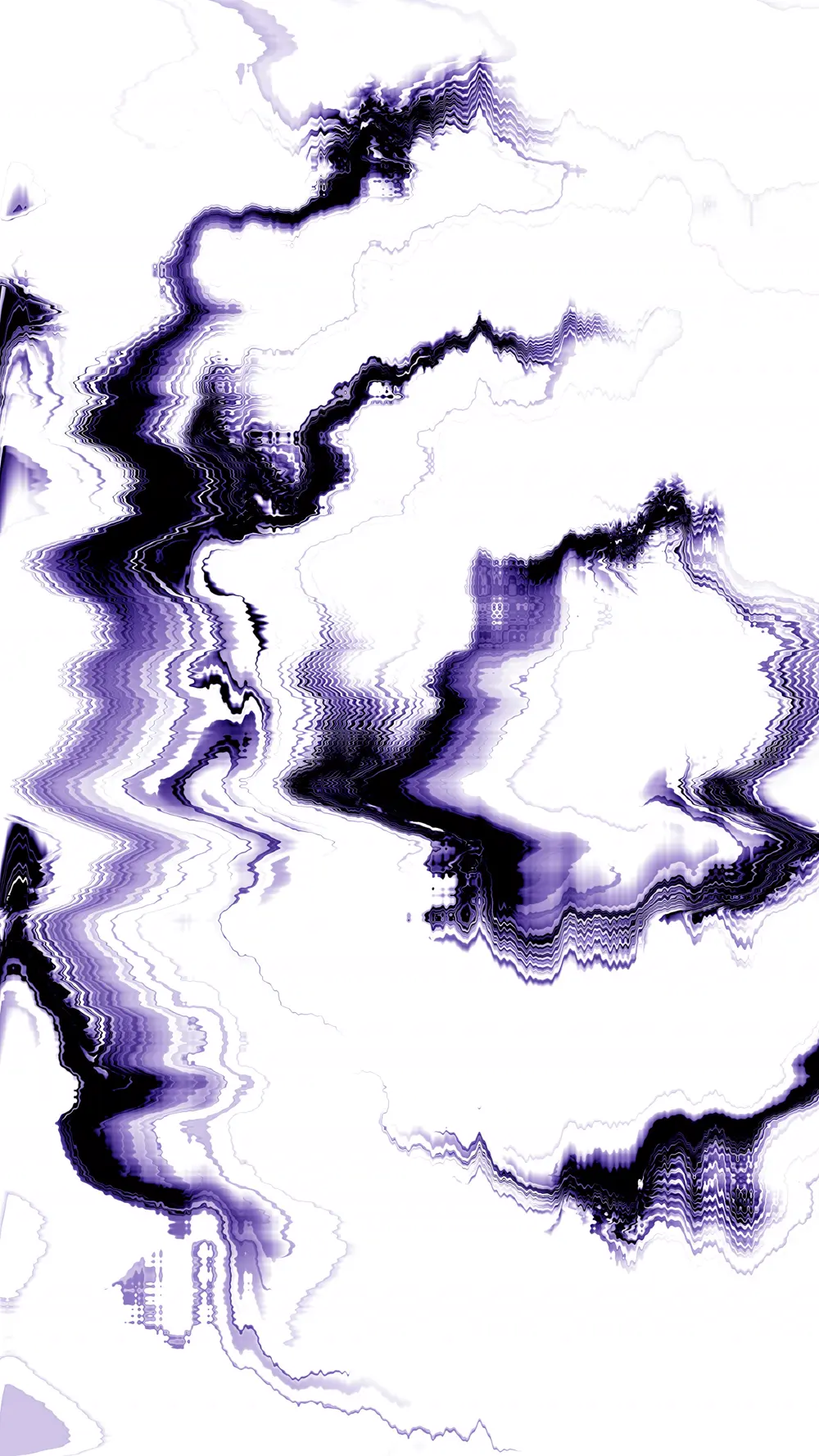
Numerous websites and online communities offer a wide selection of distorted pixel wallpapers. Many artists also share their work on platforms like DeviantArt and Instagram. When choosing a wallpaper, consider the resolution of your screen and the overall aesthetic you’re aiming for. A high-resolution wallpaper will ensure that the pixels remain sharp and defined, while a lower-resolution wallpaper may appear blurry or pixelated.
Experiment with different wallpapers to find one that complements your personal style and digital environment. Don’t be afraid to try something bold and unconventional – the beauty of glitch art lies in its ability to challenge expectations. You can also create your own wallpapers using the techniques described earlier, allowing you to personalize your digital space with truly unique artwork. Consider how color palettes impact the overall feel; a vibrant, chaotic palette will create a different impression than a muted, monochrome one.
Conclusion
Glitch art, and particularly distorted pixel wallpapers, represents a fascinating intersection of art, technology, and culture. It’s a celebration of imperfection, a rejection of norms, and a testament to the creative potential of digital manipulation. As technology continues to evolve, glitch art will undoubtedly continue to adapt and innovate, pushing the boundaries of visual expression and challenging our perceptions of the digital world. The enduring appeal of these wallpapers lies in their ability to transform the mundane into the mesmerizing, adding a touch of edgy sophistication to any digital display.
Frequently Asked Questions
1. What software do I need to start creating glitch art?
You don’t necessarily need expensive software! Audacity (free audio editor) can be used for basic glitching, and Processing is a free programming environment ideal for visual art. There are also dedicated glitch art programs available, some of which offer free trials or limited versions.
2. Is glitch art considered “real” art?
Absolutely! Art is subjective, and glitch art is widely recognized as a legitimate art form. It requires creativity, technical skill, and a unique artistic vision. It’s been exhibited in galleries and museums worldwide and is actively studied in art schools.
3. How can I find high-resolution glitch art wallpapers?
Websites like Unsplash, Pexels, and DeviantArt often have sections dedicated to glitch art. Look for images specifically tagged as “4K” or “high resolution” to ensure they’ll look sharp on your screen. Always check the license before using any image.
4. What’s the difference between glitch art and digital art in general?
Digital art is a broad category encompassing any art created using digital technology. Glitch art is a specific *style* within digital art that intentionally incorporates errors and distortions. All glitch art is digital art, but not all digital art is glitch art.
5. Can I use glitch art for commercial purposes?
It depends on the license of the artwork. Some artists offer their work under Creative Commons licenses, allowing for certain types of commercial use. Always check the license terms before using any glitch art for commercial projects. If you’re unsure, it’s best to contact the artist directly.
Related posts:

New screens deserve new looks — the digital-art shelf keeps growing, so check back for the latest drops.
Save your favourites and share the rest — good wallpapers travel fast.
