
Fractal Art: Exploring Math Patterns in 8K Wallpapers
Have you ever been captivated by an image that seems to repeat infinitely, yet remains uniquely complex? That’s the allure of fractal art. These stunning visuals aren’t simply designed; they’re generated using mathematical equations, revealing hidden patterns within chaos. The rise of high-resolution displays, particularly 8K wallpapers, has unlocked a new level of detail and appreciation for this fascinating art form. This article delves into the world of fractal art, exploring its origins, the mathematics behind it, and where to find breathtaking 8K wallpapers to adorn your digital space.
Fractal art is more than just pretty pictures. It’s a visual representation of complex mathematical concepts, making abstract ideas accessible and beautiful. From the intricate branching of trees to the swirling patterns of galaxies, fractals appear throughout nature, and artists are now harnessing the power of algorithms to recreate and expand upon these natural wonders.
The History of Fractals and Fractal Art
While the visual appeal of fractals has been recognized for centuries – think of the repeating motifs in Islamic art or the self-similar patterns in Romanesque architecture – the mathematical foundation wasn’t laid until the 20th century. Benoît Mandelbrot, a Polish-French mathematician, is widely considered the “father of fractals.” In the 1970s, he coined the term “fractal” to describe these irregular, self-similar shapes. His work challenged traditional Euclidean geometry, which struggled to describe the complexities of the natural world.
The advent of computers played a crucial role in the development of fractal art. Early pioneers like Mandelbrot used computers to visualize complex equations, revealing the stunning beauty hidden within them. The Mandelbrot set, perhaps the most famous fractal, became a symbol of this new art form. As computing power increased, artists began experimenting with different algorithms and techniques, pushing the boundaries of what was possible.
The Mathematics Behind the Beauty
At its core, fractal art relies on iterative mathematical equations. Iteration means repeatedly applying a formula to a starting value. The results of each iteration become the input for the next, creating a feedback loop. Even simple equations can produce incredibly complex and beautiful fractals when iterated.
One common technique involves complex numbers and the concept of “escape time.” For example, the Mandelbrot set is defined by the equation zn+1 = zn2 + c, where z and c are complex numbers. The set consists of all values of c for which the sequence zn remains bounded (doesn’t “escape” to infinity). The color of each point in the image is determined by how quickly the sequence escapes, creating the iconic swirling patterns.
Other popular fractal algorithms include the Julia set, the Newton fractal, and iterated function systems (IFS). Each algorithm produces a unique set of patterns and visual characteristics. Artists often combine different algorithms and techniques to create even more intricate and original works. If you’re interested in learning more about the underlying math, exploring mathematics can provide a solid foundation.
Exploring Different Types of Fractal Art
Fractal art isn’t limited to a single style. There’s a vast range of techniques and aesthetics, each with its own unique appeal. Here are a few examples:
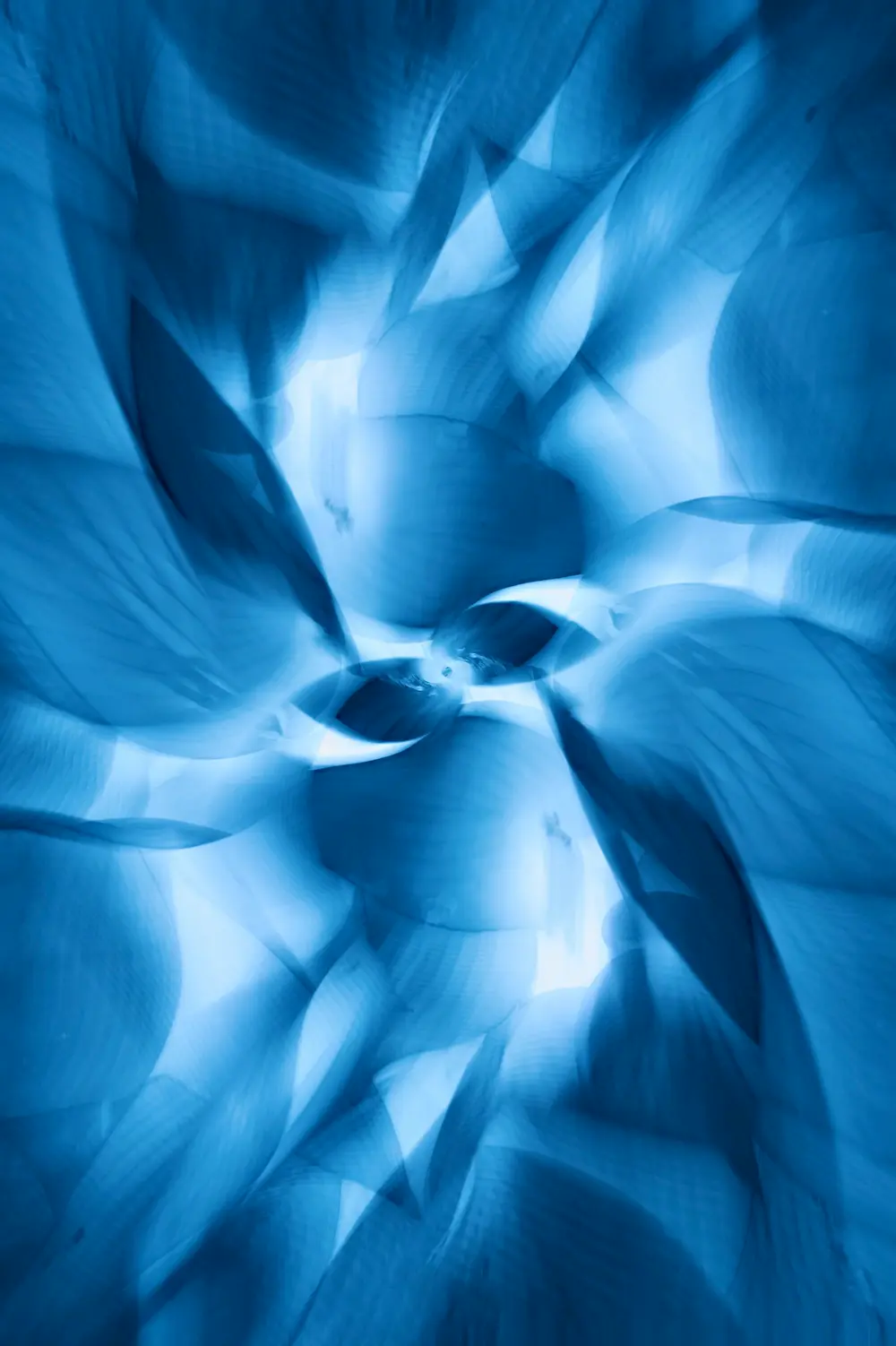
- Mandelbrot and Julia Sets: These are the classic fractals, known for their swirling, organic shapes and vibrant colors.
- IFS Fractals: IFS fractals are created using a set of affine transformations. They often resemble ferns, trees, or other natural structures.
- L-Systems: L-systems are a type of formal grammar used to generate fractal patterns. They’re particularly well-suited for creating realistic plant structures.
- Flame Fractals: Flame fractals are based on iterated function systems with nonlinear transformations. They often have a fiery, chaotic appearance.
- 3D Fractals: These fractals extend the concept of self-similarity into three dimensions, creating incredibly detailed and immersive landscapes.
The possibilities are truly endless, and artists are constantly developing new techniques and pushing the boundaries of the medium. The beauty of fractal art lies in its ability to combine mathematical precision with artistic expression.
The Appeal of 8K Fractal Wallpapers
For years, fractal art was often limited by the resolution of displays. The intricate details of these images were lost when viewed on lower-resolution screens. However, with the advent of 8K displays, fractal art has found a perfect home. The incredibly high pixel density of 8K allows you to appreciate every nuance and detail of these complex patterns.
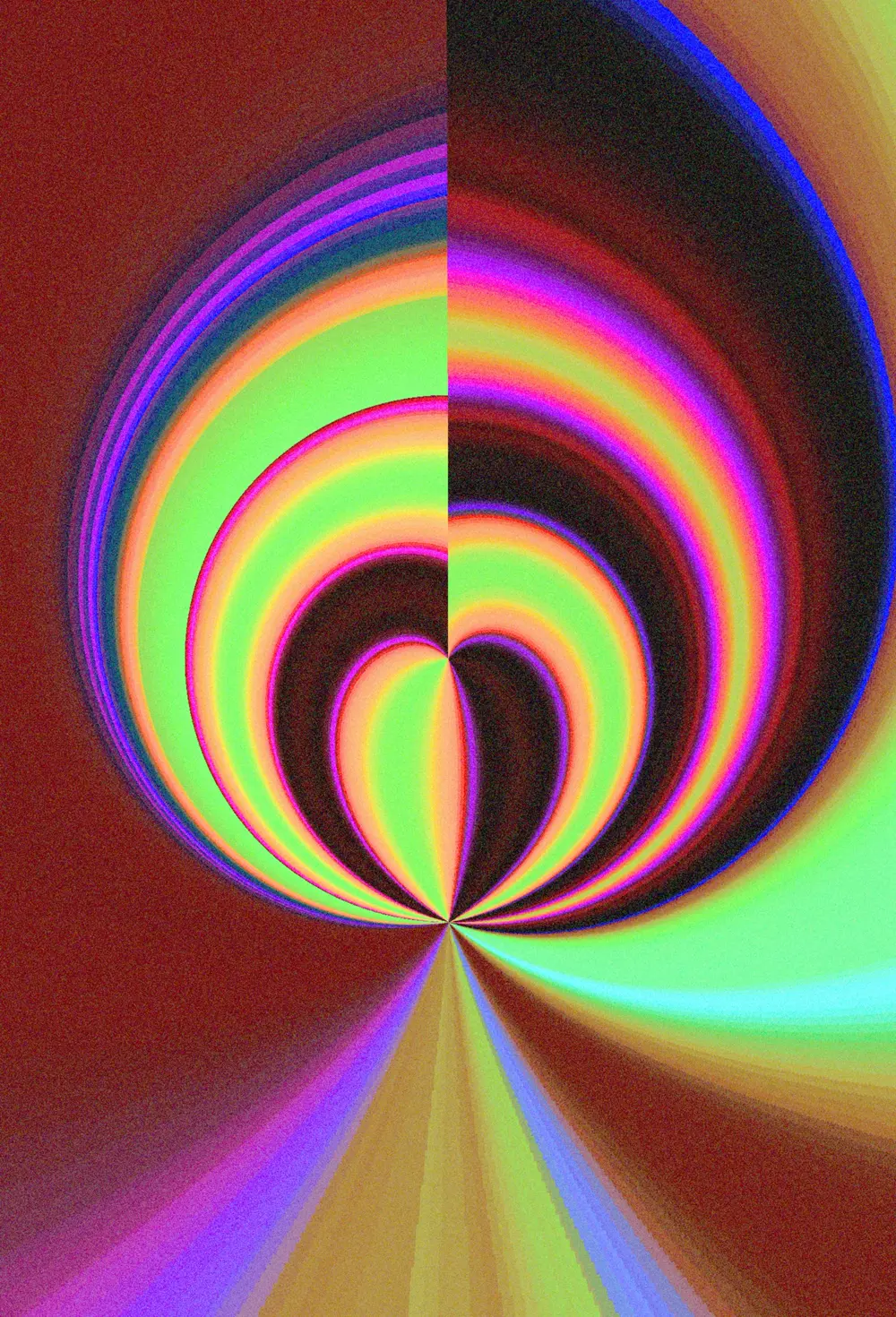
An 8K fractal wallpaper can transform your desktop into a mesmerizing visual experience. The depth and clarity of the image create a sense of immersion, drawing you into the intricate world of fractals. Whether you prefer the classic Mandelbrot set or a more abstract and experimental design, there’s an 8K fractal wallpaper to suit every taste. Finding the right wallpaper can really enhance your digital environment, and even inspire creativity. Consider how a calming fractal image might improve your focus while working.
Where to Find Stunning 8K Fractal Wallpapers
Several online resources offer a wide selection of 8K fractal wallpapers. Here are a few places to start your search:
- Unsplash: A popular source for high-quality, free-to-use images, including fractal art.
- Pexels: Another excellent resource for free stock photos and wallpapers.
- DeviantArt: A large online community for artists, with a dedicated section for fractal art.
- Fractal Forums: Online forums dedicated to fractal art often feature galleries of high-resolution images.
- Dedicated Fractal Art Websites: Many artists maintain their own websites showcasing their work.
When searching for 8K wallpapers, be sure to check the image resolution to ensure it’s truly 7680 x 4320 pixels. Also, consider the color palette and overall aesthetic to find a wallpaper that complements your desktop theme.
Conclusion
Fractal art is a captivating blend of mathematics and artistry. Its intricate patterns and vibrant colors offer a unique visual experience, and the rise of 8K wallpapers has unlocked a new level of appreciation for this fascinating art form. Whether you’re a mathematician, an artist, or simply someone who appreciates beauty, fractal art has something to offer everyone. So, explore the world of fractals, download an 8K wallpaper, and let the mesmerizing patterns transform your digital space.
Frequently Asked Questions
What exactly *is* a fractal?
A fractal is a geometric shape that exhibits self-similarity – meaning its parts resemble the whole, regardless of scale. They are often infinitely complex and can be generated using relatively simple mathematical equations. Unlike traditional geometric shapes, fractals often have non-integer dimensions.
Is fractal art created by computers only?
While computers are essential for generating most fractal images due to the complexity of the calculations, the artistic process involves much more than just pressing a button. Artists carefully choose algorithms, parameters, color palettes, and post-processing techniques to create unique and visually appealing works. Some artists even incorporate fractal elements into traditional art forms.
Can I create my own fractal art?
Absolutely! There are many software programs available for creating fractal art, ranging from free and open-source options to professional-grade applications. Some popular choices include Apophysis, JWildfire, and Mandelbulb 3D. There are also numerous online tutorials and resources to help you get started.
Are fractals found in nature?
Yes, fractals are ubiquitous in nature. Examples include the branching of trees, the patterns of coastlines, the formation of snowflakes, the structure of lungs, and the distribution of galaxies. Fractals provide a mathematical framework for understanding and modeling these complex natural phenomena.
What’s the difference between the Mandelbrot set and the Julia set?
Both are based on the same mathematical equation (zn+1 = zn2 + c), but they differ in how they’re visualized. The Mandelbrot set maps the values of ‘c’ that remain bounded, while the Julia set maps the values of ‘z’ for a *fixed* value of ‘c’. This results in distinct visual characteristics.
Related posts:

Found a favourite here? 8k Green Geometric Wallpaper: Elevate Your Digital Aesthetic is the natural next stop on this trail.
Bookmark this collection so your next wallpaper swap is one click away.
