

Guitar Maintenance: A Comprehensive Guide
Owning a guitar is a rewarding experience, but it comes with the responsibility of proper care. Regular maintenance isn’t just about keeping your instrument looking good; it’s crucial for preserving its playability, sound quality, and overall lifespan. Whether you’re a beginner or an experienced player, understanding the basics of guitar maintenance will ensure your instrument remains a faithful companion for years to come. This guide will cover everything from daily routines to more in-depth procedures, helping you keep your guitar in top condition.
Ignoring maintenance can lead to a variety of problems, including intonation issues, fret buzz, corrosion, and even structural damage. These issues can not only affect the sound of your guitar but also make it more difficult and less enjoyable to play. Investing a little time in regular upkeep will save you money on repairs in the long run and keep your instrument performing at its best.

Daily and Weekly Routines
The foundation of good guitar maintenance lies in establishing simple daily and weekly habits. These routines are quick and easy to incorporate into your playing schedule and can prevent many common problems.
- Wipe Down After Each Use: After every time you play, wipe down the strings and body of your guitar with a soft, clean cloth. This removes sweat, oils, and dirt that can corrode the strings and damage the finish.
- String Cleaning: Use a dedicated string cleaner to remove grime and extend the life of your strings.
- Check for Loose Parts: Regularly inspect the tuning pegs, bridge, and other hardware to ensure everything is securely fastened.
- Humidity Control: Guitars are sensitive to changes in humidity. Keep your guitar in a stable environment, ideally between 45% and 55% humidity. Use a humidifier or dehumidifier as needed.
Cleaning Your Guitar
A thorough cleaning is essential for maintaining the appearance and health of your guitar. The cleaning process will vary slightly depending on the type of finish your guitar has.

Acoustic Guitars
Acoustic guitars typically have a lacquer or varnish finish. Use a guitar polish specifically designed for these finishes. Avoid using household cleaners, as they can damage the wood. Apply the polish to a soft cloth and gently wipe down the body, avoiding the fretboard. For stubborn grime, you can use a slightly damp cloth, but be sure to dry it immediately.
Electric Guitars
Electric guitars often have a polyurethane or polyester finish, which is more durable than lacquer. You can use a guitar polish designed for these finishes, or a mild car polish. Pay attention to the hardware, cleaning around the pickups and bridge with a soft brush. If you’re curious about amplifiers and how they affect your tone, explore related resources.
String Changes
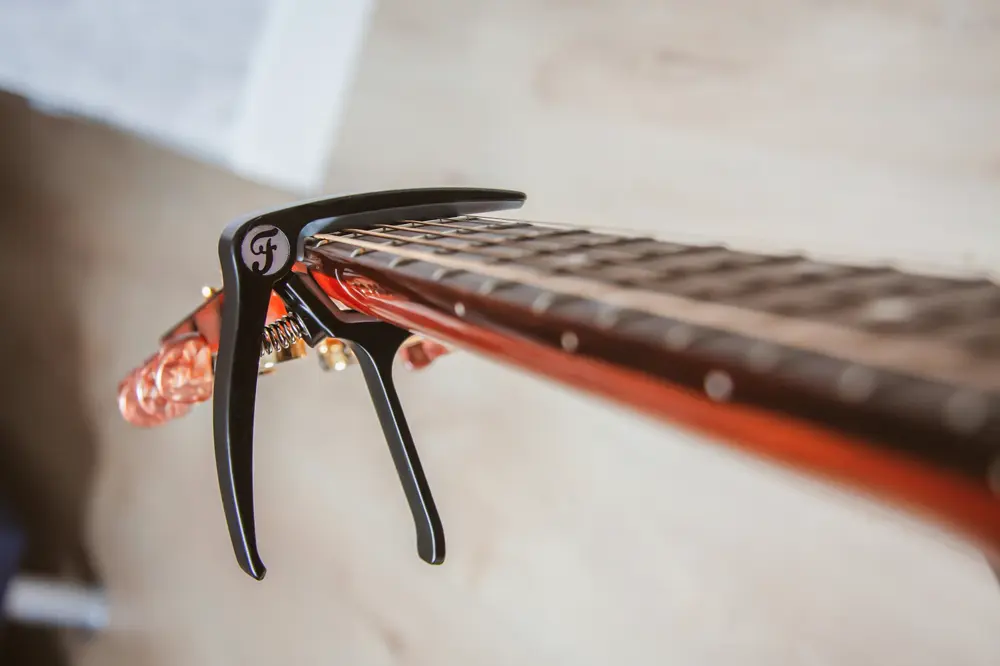
Replacing your strings is a crucial part of guitar maintenance. Old strings lose their tone and become difficult to play. How often you change your strings depends on how frequently you play and your personal preference, but a good rule of thumb is every 1-3 months.
- Remove Old Strings: Carefully remove the old strings, one at a time.
- Clean the Fretboard: While the strings are off, take the opportunity to clean the fretboard. Use a fretboard conditioner to hydrate the wood and remove grime.
- Install New Strings: Install the new strings, ensuring they are properly seated in the bridge and tuning pegs.
- Stretch the Strings: Gently stretch the strings to help them settle and stay in tune.
- Tune the Guitar: Tune the guitar to the desired pitch.
Fretboard Care
The fretboard is a vital part of your guitar, and it requires regular care to maintain its playability. Over time, the fretboard can become dry and cracked, leading to fret buzz and intonation problems.
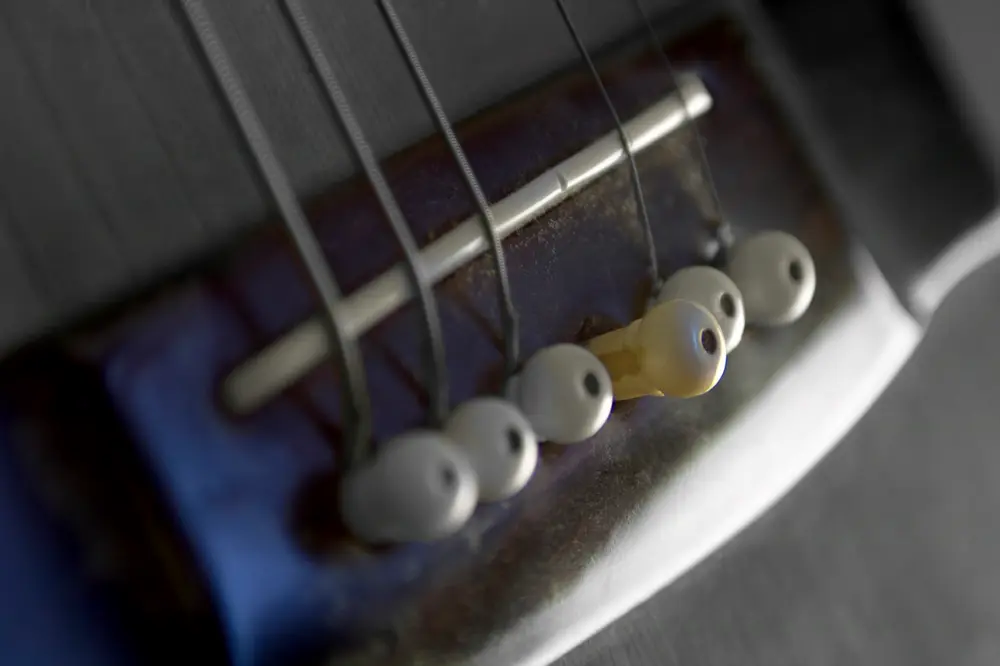
- Fretboard Conditioning: Apply a fretboard conditioner every few months to hydrate the wood.
- Fret Polishing: Polish the frets to remove oxidation and ensure smooth playing.
- Fret Leveling (Professional): If you notice significant fret buzz or uneven frets, consider having a professional fret leveling performed.
Adjusting the Action and Intonation
The action refers to the height of the strings above the fretboard, while intonation refers to the accuracy of the pitch as you move up the neck. Both action and intonation can affect the playability and sound of your guitar.
Adjusting the action and intonation can be complex, and it’s often best left to a professional. However, if you’re comfortable with basic guitar setup, you can learn to make minor adjustments yourself. There are many online resources and tutorials available to guide you through the process. Understanding guitar setup can significantly improve your playing experience.

Storing Your Guitar
Proper storage is essential for protecting your guitar from damage. When not in use, store your guitar in a case or gig bag to protect it from dust, dirt, and humidity. Avoid storing your guitar in extreme temperatures or direct sunlight. If you have multiple guitars, consider using a guitar rack to keep them organized and accessible.
Conclusion
Guitar maintenance is an ongoing process, but it’s a worthwhile investment. By following these tips and establishing a regular maintenance routine, you can keep your guitar in top condition for years to come. Remember that even small amounts of care can make a big difference in the playability, sound quality, and longevity of your instrument. Don’t hesitate to seek professional help when needed, especially for more complex repairs or adjustments. A well-maintained guitar is a joy to play and a source of musical inspiration.
Frequently Asked Questions
-
How often should I change my guitar strings?
The frequency of string changes depends on how often you play and your playing style. Generally, changing strings every 1-3 months is a good guideline. If you notice a dull sound or difficulty staying in tune, it’s time for a change.
-
What is the best way to clean the fretboard?
Use a dedicated fretboard conditioner to hydrate the wood and remove grime. Apply a small amount to a soft cloth and gently wipe down the fretboard. Avoid using harsh chemicals or abrasive cleaners.
-
How can I protect my guitar from humidity?
Store your guitar in a case or gig bag and use a humidifier or dehumidifier to maintain a stable humidity level between 45% and 55%. You can also use a hygrometer to monitor the humidity in your guitar room.
-
What does ‘action’ refer to on a guitar?
Action refers to the height of the strings above the fretboard. Lower action generally makes the guitar easier to play, but too low can cause fret buzz. Adjusting the action involves raising or lowering the bridge saddles.
-
Is it okay to use household cleaners on my guitar?
No, avoid using household cleaners on your guitar. They can contain harsh chemicals that can damage the finish and wood. Use only guitar-specific cleaning products designed for your guitar’s finish type.
Related posts:

Every acoustic-guitar page is another mood for your screen. Keep exploring the related sets below this one.
Share this page with a friend who is hunting for a fresh background.
