
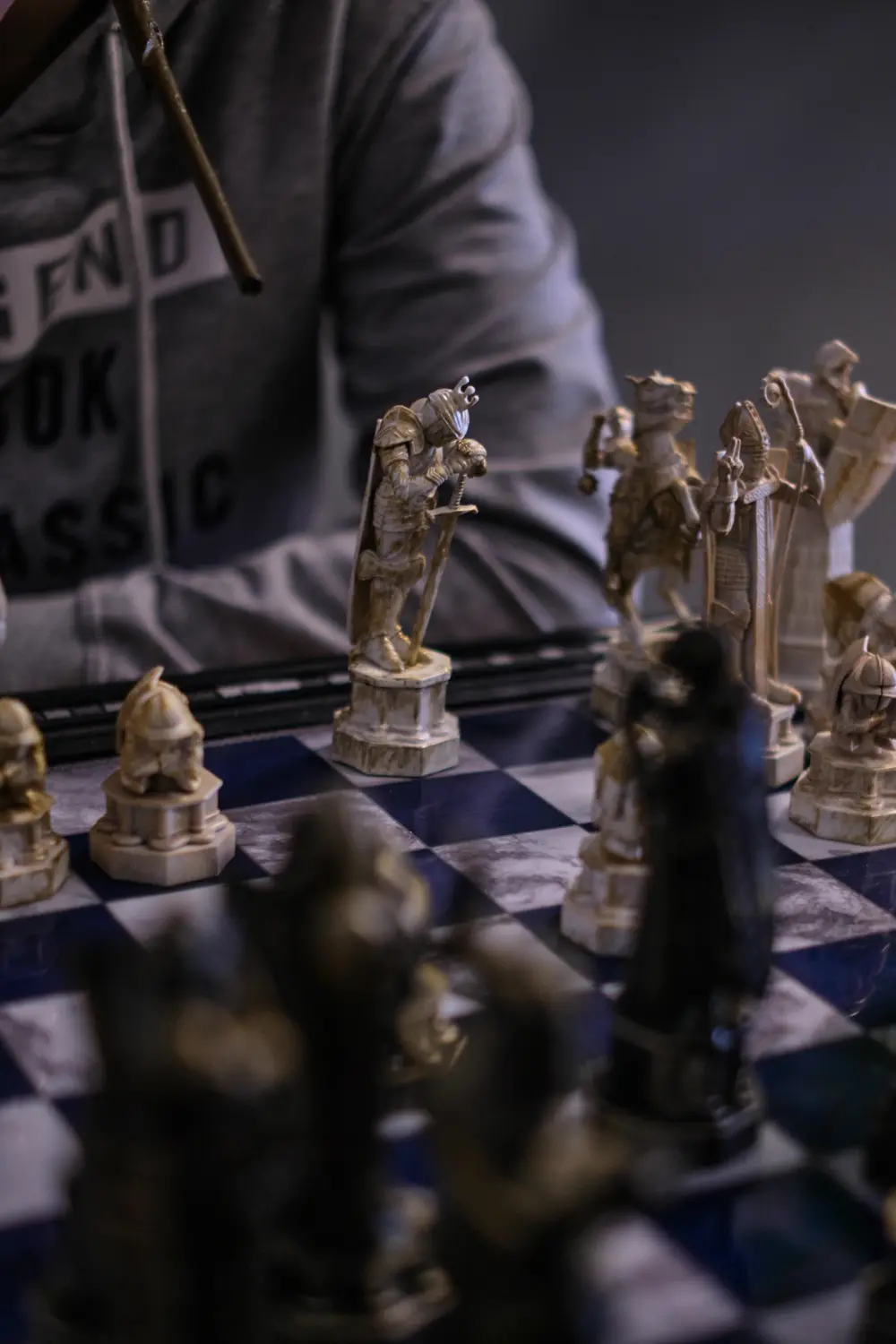
Chess Board Strategy: A Comprehensive Guide
Chess, often called the royal game, is a battle of wits and strategy played on a checkered board. Beyond the simple movement of pieces lies a deep world of tactical maneuvers, positional understanding, and long-term planning. This guide delves into the core principles of chess board strategy, offering insights for players of all levels, from beginners taking their first steps to intermediate players looking to refine their game. We’ll explore key concepts like controlling the center, developing pieces, king safety, and exploiting weaknesses.
Understanding chess strategy isn’t about memorizing openings or calculating endless variations. It’s about developing a feel for the board, recognizing patterns, and making informed decisions based on the overall position. It’s a skill honed through practice, study, and a willingness to learn from both victories and defeats.
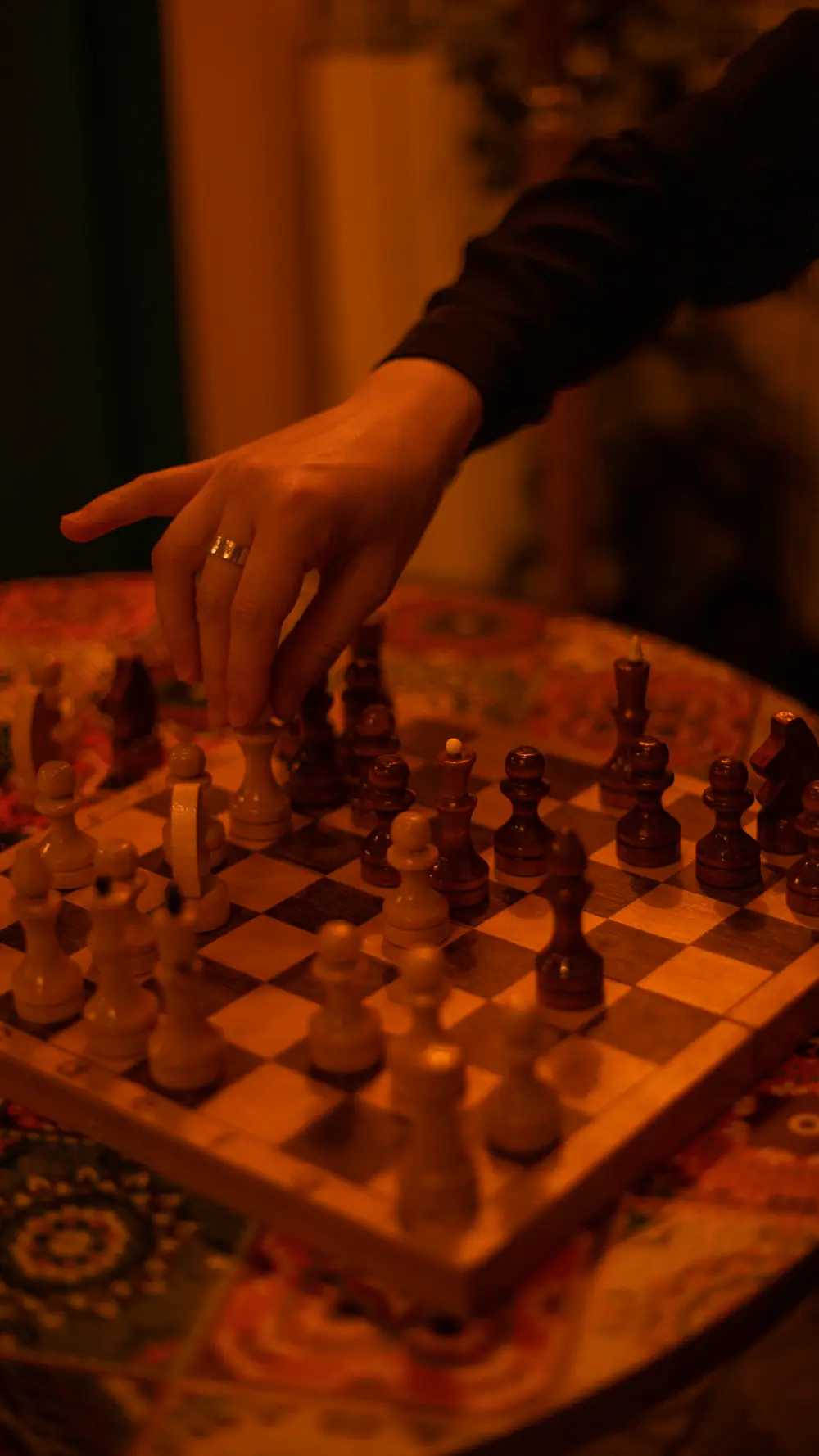
The Importance of Center Control
One of the most fundamental principles in chess is controlling the center of the board. The central squares (d4, e4, d5, and e5) are strategically vital because pieces placed there exert influence over a larger area. Controlling the center allows for greater mobility, easier development, and more attacking opportunities.
There are several ways to fight for control of the center. You can directly occupy the central squares with pawns and pieces, or you can indirectly control them by attacking them or restricting your opponent’s access. A strong central presence often dictates the flow of the game, allowing you to dictate the terms of engagement.
Piece Development: Bringing Your Forces into Play
Developing your pieces – knights, bishops, rooks, and queen – is crucial in the opening and early middlegame. The goal is to move your pieces from their starting positions to active squares where they can contribute to the game. Prioritize developing your knights and bishops before moving your queen prematurely.
Rapid development gives you a significant advantage in terms of space and attacking potential. Undeveloped pieces are essentially useless, and a slow start can leave you vulnerable to your opponent’s initiatives. Remember to coordinate your piece development, ensuring that your pieces work together harmoniously. If you’re looking to improve your opening game, consider learning more about chess openings.
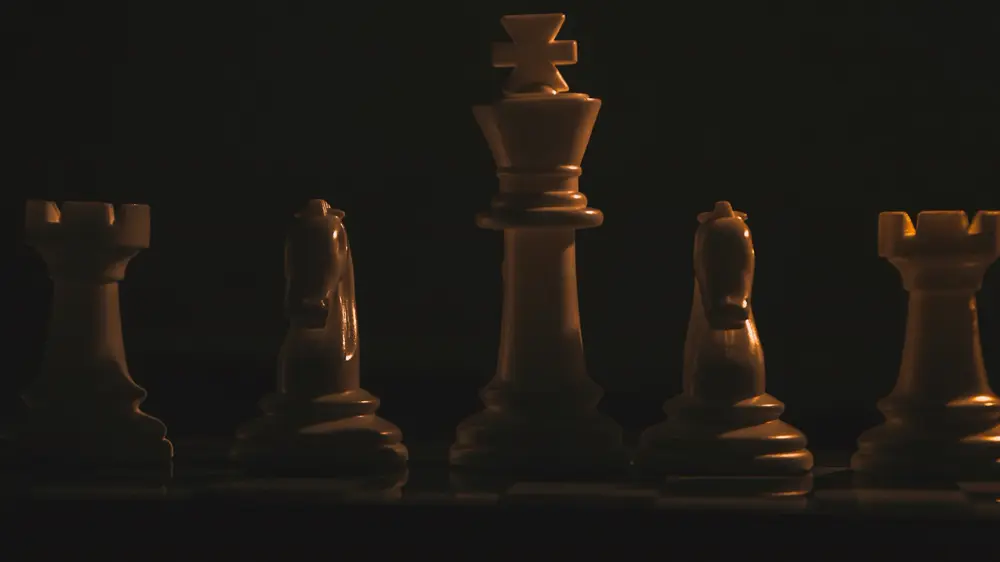
King Safety: Protecting Your Most Valuable Piece
The king is the most important piece on the board, and its safety should always be a primary concern. A vulnerable king can quickly lead to a checkmate and a lost game. Castling is usually the best way to secure your king, moving it to a safer location behind a pawn shield.
After castling, continue to protect your king by maintaining a solid pawn structure around it and keeping an eye out for potential threats. Avoid weakening the pawns in front of your king unnecessarily, as this can create vulnerabilities. Be mindful of open files and diagonals that could be used to launch an attack against your king.

Exploiting Weaknesses: Identifying and Capitalizing on Opponent’s Flaws
Every position in chess has weaknesses – squares that are poorly defended, pieces that are awkwardly placed, or pawn structures that are vulnerable to attack. Identifying and exploiting these weaknesses is a key aspect of chess strategy.
Weaknesses can be created through a variety of means, such as pawn moves, piece exchanges, or tactical combinations. Once you’ve identified a weakness, you can focus your attack on it, aiming to gain a material advantage or create a decisive threat. Understanding pawn structures is vital for recognizing these weaknesses.

Pawn Structure: The Skeleton of the Position
The pawn structure is the foundation of any chess position. It determines the character of the game, influencing piece activity, attacking opportunities, and endgame prospects. Different pawn structures have different strengths and weaknesses.
For example, an isolated pawn is a pawn that has no friendly pawns on adjacent files, making it vulnerable to attack. A doubled pawn is a pawn on the same file as another friendly pawn, which can sometimes be a weakness. Understanding these concepts will help you make informed decisions about pawn moves and assess the overall strength of your position.
Planning and Calculation: Thinking Ahead
Chess strategy isn’t just about reacting to your opponent’s moves; it’s also about formulating a plan and calculating the consequences of your actions. A good plan should have a clear objective, such as attacking the king, controlling the center, or improving your piece position.
Calculation involves mentally visualizing the sequence of moves and evaluating the resulting position. It’s important to consider both your own moves and your opponent’s possible responses. While it’s impossible to calculate every variation, focusing on the most likely and critical lines will help you make more accurate decisions.
The Middlegame: Transitioning from Opening to Endgame
The middlegame is the phase of the game between the opening and the endgame. It’s often characterized by complex tactical and strategic maneuvering. During the middlegame, you’ll need to continue developing your pieces, improving your position, and looking for opportunities to attack.
The middlegame requires a flexible approach, as the situation on the board can change rapidly. Be prepared to adjust your plan based on your opponent’s moves and the evolving dynamics of the position. A solid understanding of chess tactics is essential for navigating the complexities of the middlegame.
The Endgame: Converting Your Advantage
The endgame is the final phase of the game, typically characterized by fewer pieces on the board. In the endgame, the king becomes a more active piece, and pawn structure plays an even more crucial role. The goal in the endgame is to convert your advantage – whether it’s a material advantage, a positional advantage, or a king activity advantage – into a win.
Endgame technique requires precision and patience. It’s important to understand basic endgame principles, such as opposition, triangulation, and passed pawns. Even a small advantage can be decisive in the endgame, so it’s important to play accurately and avoid making unnecessary mistakes.
Conclusion
Chess board strategy is a multifaceted discipline that requires dedication, study, and practice. By understanding the core principles outlined in this guide – center control, piece development, king safety, exploiting weaknesses, pawn structure, planning, and calculation – you can significantly improve your game and enjoy the intellectual challenge that chess offers. Remember that chess is a journey of continuous learning, and every game provides an opportunity to refine your skills and deepen your understanding of this fascinating game.
Frequently Asked Questions
-
What’s the best way to improve my chess strategy?
Consistent practice is key. Play regularly, analyze your games (especially your losses), and study chess books or online resources. Focusing on understanding the *why* behind moves, rather than just memorizing them, will accelerate your progress.
-
How important is memorizing openings?
While knowing some opening principles is helpful, memorizing long variations isn’t crucial, especially for beginners. Focus on understanding the underlying ideas of the opening – controlling the center, developing pieces, and ensuring king safety – rather than rote memorization.
-
What should I do if my opponent attacks my king?
Prioritize king safety! Look for ways to defend your king, such as moving pieces to protect it, blocking the attack, or counterattacking. If necessary, consider sacrificing material to deflect the attack or create an escape route for your king.
-
How can I identify weaknesses in my opponent’s position?
Look for poorly defended squares, isolated pawns, doubled pawns, or pieces that are awkwardly placed. Also, consider the overall pawn structure and identify any potential vulnerabilities.
-
Is it better to attack or defend?
It depends on the position! Generally, it’s better to attack if you have a clear advantage, but if your king is vulnerable or your position is weak, it’s often better to prioritize defense. A balanced approach is usually the most effective.
Related posts:



Plenty more backgrounds are waiting in the related collections below — keep browsing until one sticks.
Bookmark this collection so your next wallpaper swap is one click away.
