
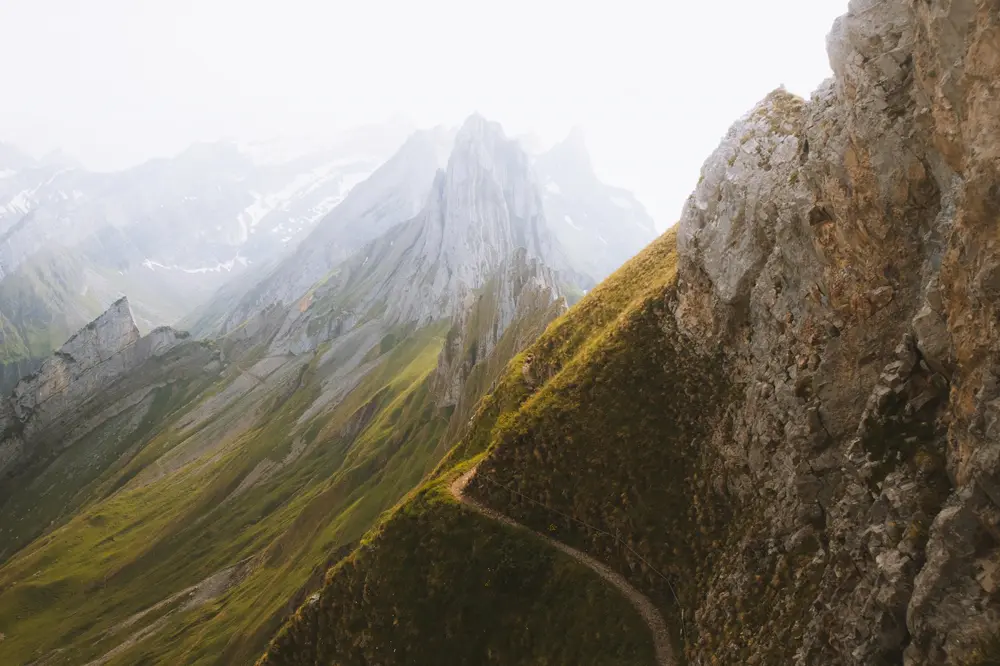
Hiking and Trekking: A Beginner’s Guide
The allure of the outdoors is undeniable. Whether it’s the crisp mountain air, the vibrant colors of a forest trail, or the challenge of reaching a breathtaking vista, hiking and trekking offer a unique escape from the everyday. For newcomers, the world of trails can seem daunting, filled with specialized gear and unfamiliar terminology. This guide aims to demystify the process, providing a comprehensive overview for anyone looking to embark on their first hiking or trekking adventure.
Hiking and trekking are often used interchangeably, but there are subtle differences. Generally, hiking refers to shorter, less strenuous walks, often on well-maintained trails. Trekking, on the other hand, implies a longer, more challenging journey, often in remote areas and potentially involving camping and navigating varied terrain. Regardless of which you choose, preparation is key to a safe and enjoyable experience.
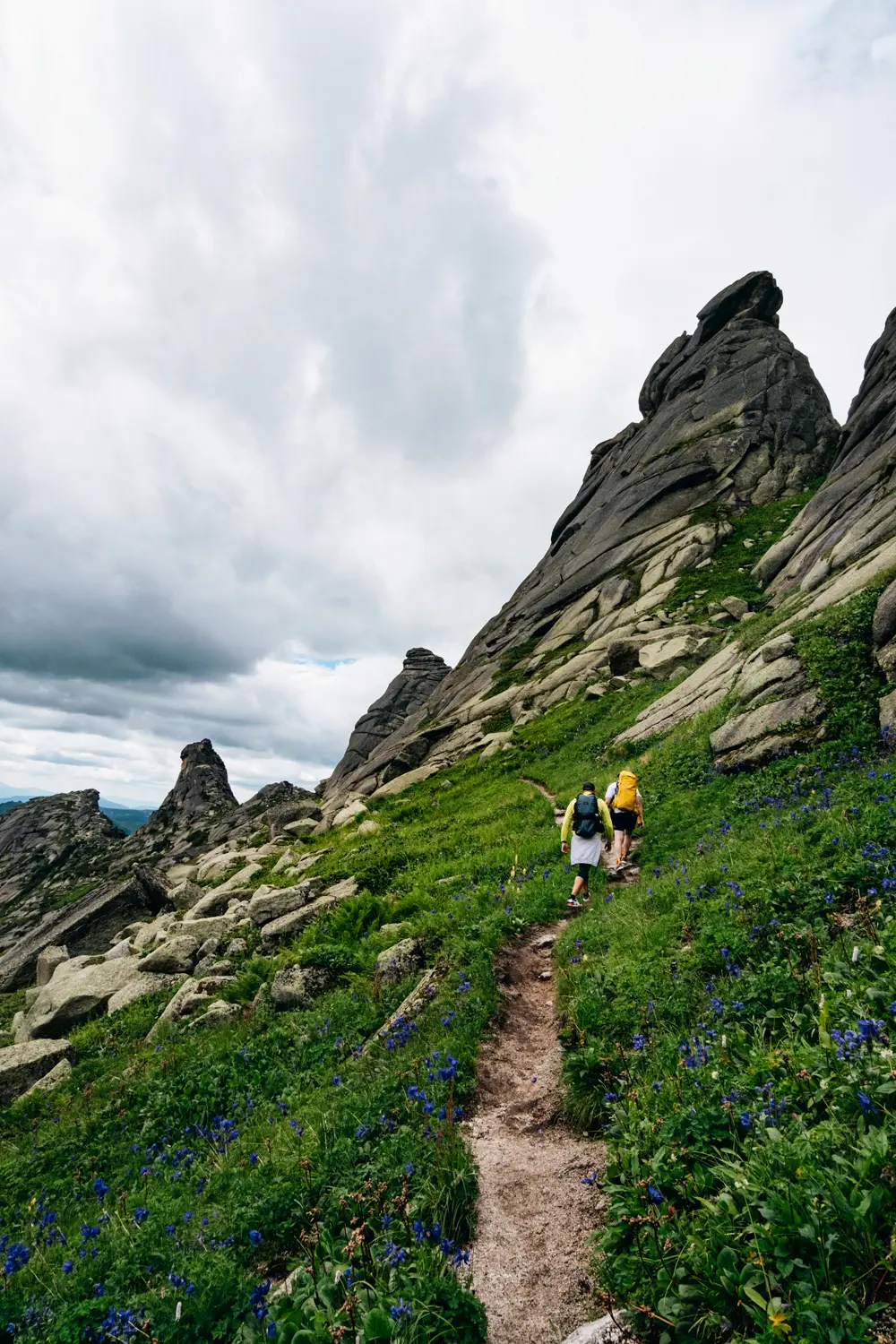
Essential Gear for the Trail
Having the right equipment can make or break your hike. While you don’t need to invest in everything at once, certain items are non-negotiable. A sturdy pair of hiking boots is paramount, providing ankle support and traction. Break them in before your trip to avoid blisters! Moisture-wicking socks are equally important, keeping your feet dry and comfortable. Layered clothing is crucial, allowing you to adapt to changing weather conditions. A waterproof jacket and pants are highly recommended, even if the forecast looks clear.
Beyond clothing, consider a comfortable backpack to carry essentials. A first-aid kit is a must-have, along with a map and compass (and the knowledge to use them!). A headlamp or flashlight is essential for navigating in low light, and plenty of water and high-energy snacks will keep you fueled. Don’t forget sun protection – a hat, sunglasses, and sunscreen are vital, even on cloudy days. For longer treks, a water filter or purification tablets are essential for safe drinking water. You might also want to consider trekking poles for added stability and reduced strain on your knees, especially on steep descents. If you’re planning a multi-day trip, a lightweight tent, sleeping bag, and cooking supplies will be necessary.
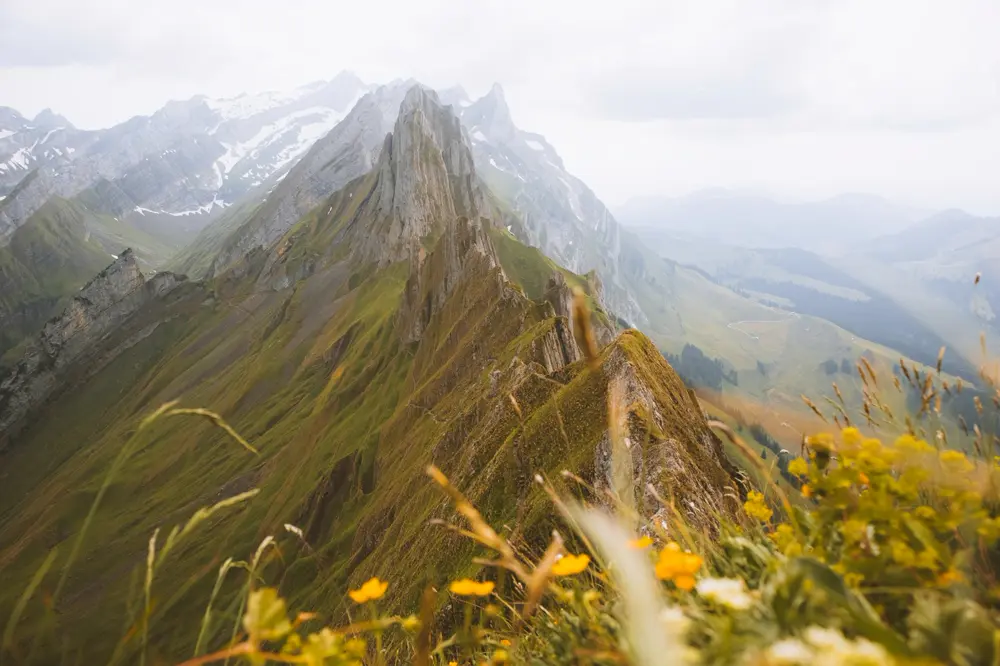
Planning Your Hike or Trek
Careful planning is essential for a successful and safe outing. Start by choosing a trail that matches your fitness level and experience. Research the trail thoroughly, noting the distance, elevation gain, and estimated completion time. Check the weather forecast and be prepared for unexpected changes. Inform someone of your hiking plans, including your route and expected return time.
Consider the terrain and potential hazards. Are there steep cliffs, river crossings, or areas prone to landslides? Knowing what to expect will allow you to prepare accordingly. Download offline maps to your phone or GPS device, as cell service can be unreliable in remote areas. Familiarize yourself with Leave No Trace principles, minimizing your impact on the environment. This includes packing out all trash, staying on marked trails, and respecting wildlife. If you’re new to navigating with a map and compass, consider taking a course or practicing in a familiar area before venturing into the backcountry. Understanding basic navigation skills can be a lifesaver. You can find more information about trail safety on resources like the National Park Service website. Thinking about the local flora and fauna can also enhance your experience; knowing what to look for adds another layer of enjoyment. Perhaps you’ll even discover a new appreciation for nature.
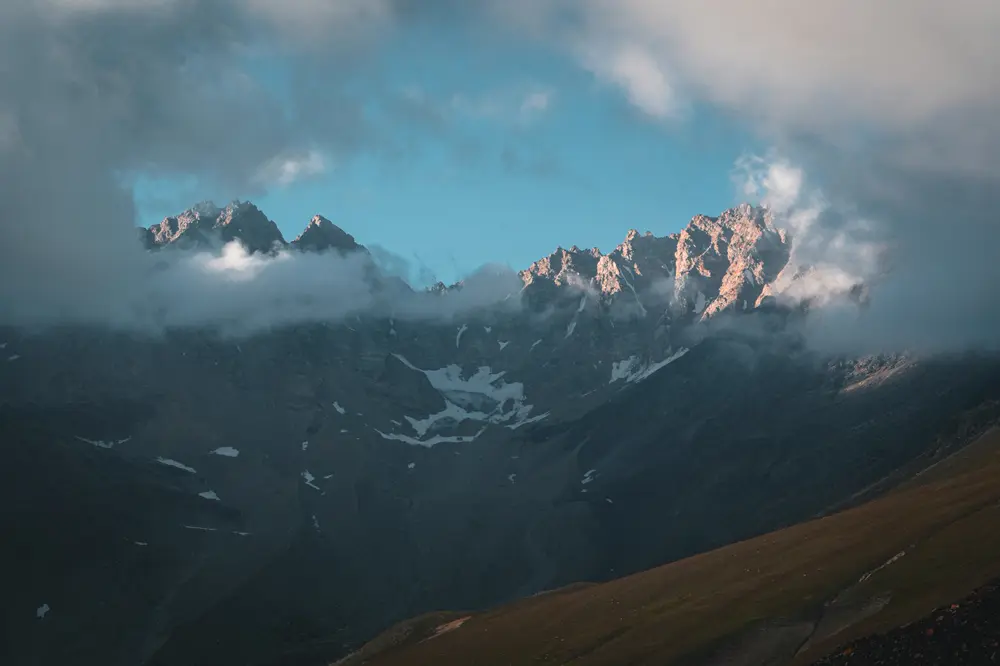
Staying Safe on the Trail
Safety should always be your top priority. Be aware of your surroundings and watch out for potential hazards. Stay on marked trails and avoid shortcuts. Pace yourself and take breaks when needed. Drink plenty of water to stay hydrated, and eat snacks to maintain your energy levels. Be mindful of wildlife and maintain a safe distance. If you encounter a bear or other large animal, make noise and slowly back away.
Learn to recognize the signs of altitude sickness, especially if you’re hiking at high elevations. Symptoms include headache, nausea, and fatigue. If you experience these symptoms, descend to a lower elevation immediately. Be prepared for changing weather conditions. Sudden storms can roll in quickly, bringing rain, wind, and even lightning. Know how to identify and avoid hypothermia and heat exhaustion. Carry a whistle to signal for help in an emergency. And remember, it’s always better to be overprepared than underprepared. Understanding basic first aid can also be incredibly valuable in remote locations.
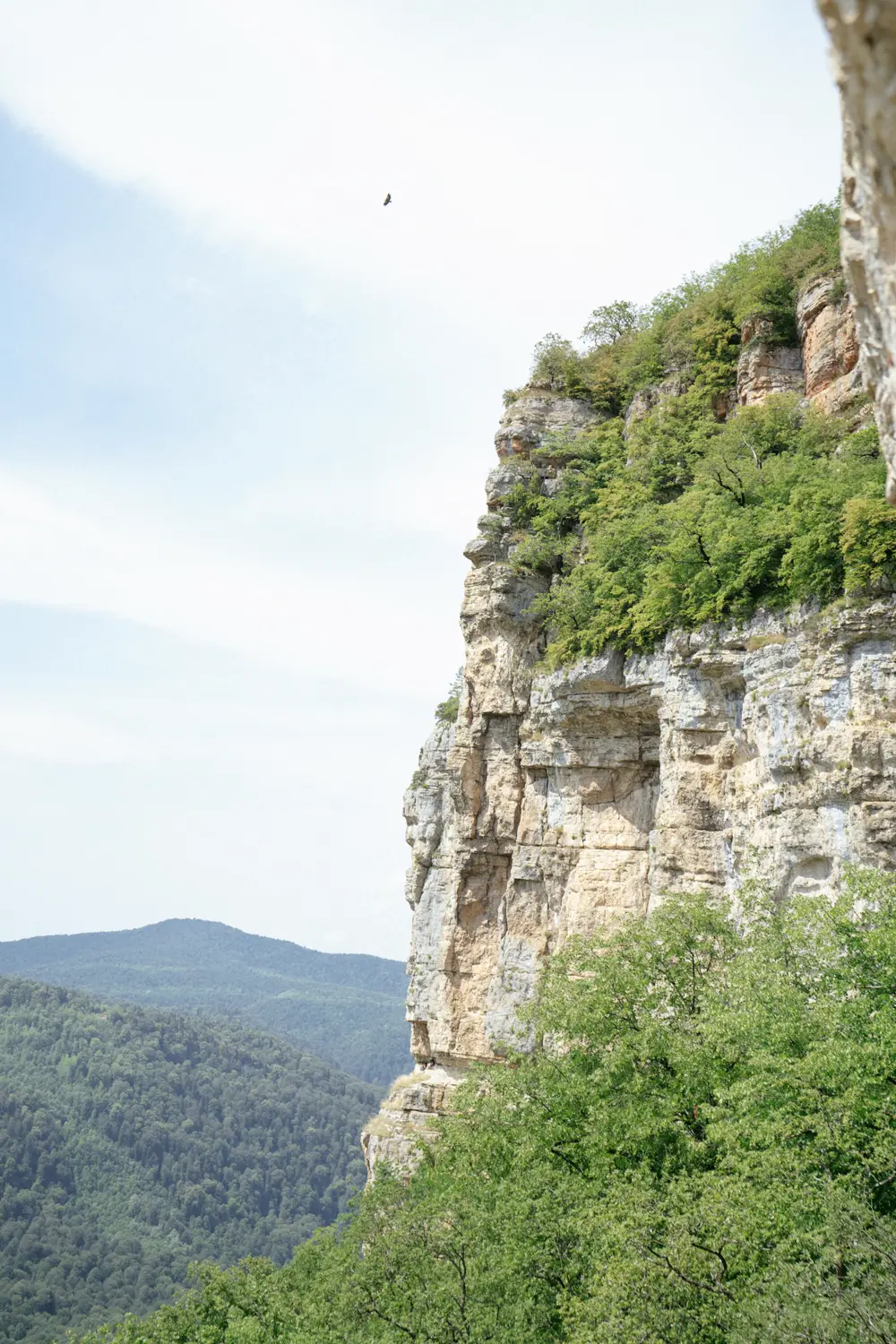
Hiking Etiquette and Leave No Trace
Respecting the environment and fellow hikers is crucial for preserving the beauty of the trails. Practice Leave No Trace principles: pack out everything you pack in, minimize campfire impacts, respect wildlife, and be considerate of other visitors. Yield to uphill hikers and those carrying heavy loads. Keep noise levels down and avoid disturbing the peace. Stay on designated trails to prevent erosion and protect vegetation. Properly dispose of human waste to prevent contamination of water sources.
Be mindful of your impact on wildlife. Observe animals from a distance and never feed them. Avoid disturbing their habitat. Report any damage or vandalism you encounter to the appropriate authorities. By following these simple guidelines, you can help ensure that future generations can enjoy the same pristine trails that we do today. Learning about responsible tourism can also help you make informed decisions about your travel choices.
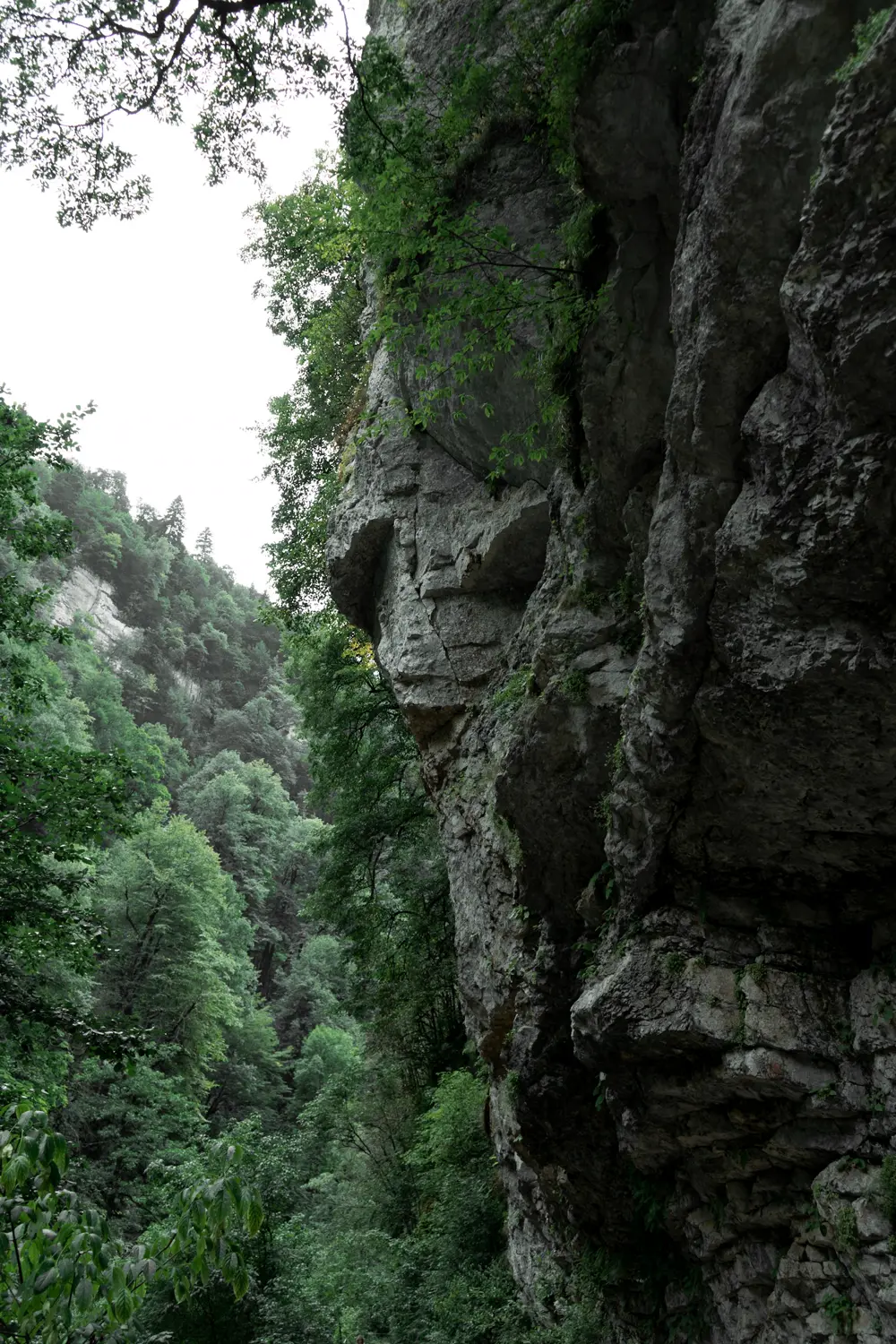
From Day Hikes to Multi-Day Treks
Once you’ve mastered the basics of day hiking, you can gradually progress to longer, more challenging treks. Multi-day treks require more planning and preparation, including packing camping gear, planning meals, and navigating in remote areas. Consider starting with an overnight trip to gain experience before tackling a longer trek.
Research potential campsites and obtain any necessary permits. Learn basic camping skills, such as setting up a tent, cooking outdoors, and purifying water. Be prepared for unexpected challenges, such as inclement weather or injuries. And most importantly, enjoy the journey! The rewards of a successful trek – the stunning scenery, the sense of accomplishment, and the connection with nature – are well worth the effort. You might even find yourself inspired to explore mountains around the world.
Conclusion
Hiking and trekking are incredibly rewarding activities that offer a chance to connect with nature, challenge yourself physically, and create lasting memories. By following the tips outlined in this guide, you can embark on your own adventures with confidence and safety. Remember to start small, plan carefully, and always prioritize safety. The trails are waiting!
Frequently Asked Questions
-
What should I do if I encounter a bear on the trail?
If you encounter a bear, remain calm. Make noise to alert the bear to your presence. Slowly back away, avoiding direct eye contact. If the bear approaches, stand your ground and make yourself look as large as possible. Carry bear spray and know how to use it.
-
How much water should I carry on a hike?
The amount of water you need depends on the length and intensity of your hike, as well as the weather conditions. A general rule of thumb is to carry at least 2 liters of water per person for a moderate day hike. In hot weather, you may need to carry more.
-
What are the best hiking boots for beginners?
Look for hiking boots that provide good ankle support, traction, and cushioning. Consider a mid-cut boot for added stability. Make sure the boots fit comfortably and are broken in before your hike to prevent blisters.
-
How can I prevent blisters while hiking?
Wear moisture-wicking socks and properly fitted hiking boots. Break in your boots before your hike. Apply blister prevention tape or balm to areas prone to blisters. Stop and address any hot spots before they develop into blisters.
-
What is Leave No Trace and why is it important?
Leave No Trace is a set of ethical principles that minimize our impact on the environment. It’s important because it helps preserve the beauty and integrity of natural areas for future generations. Key principles include packing out all trash, staying on marked trails, and respecting wildlife.
Related posts:
Before you settle on one, glance at Extreme Sports: Fueling Your Adrenaline Rush too. It pairs nicely with what you just scrolled through.
Share this page with a friend who is hunting for a fresh background.
