
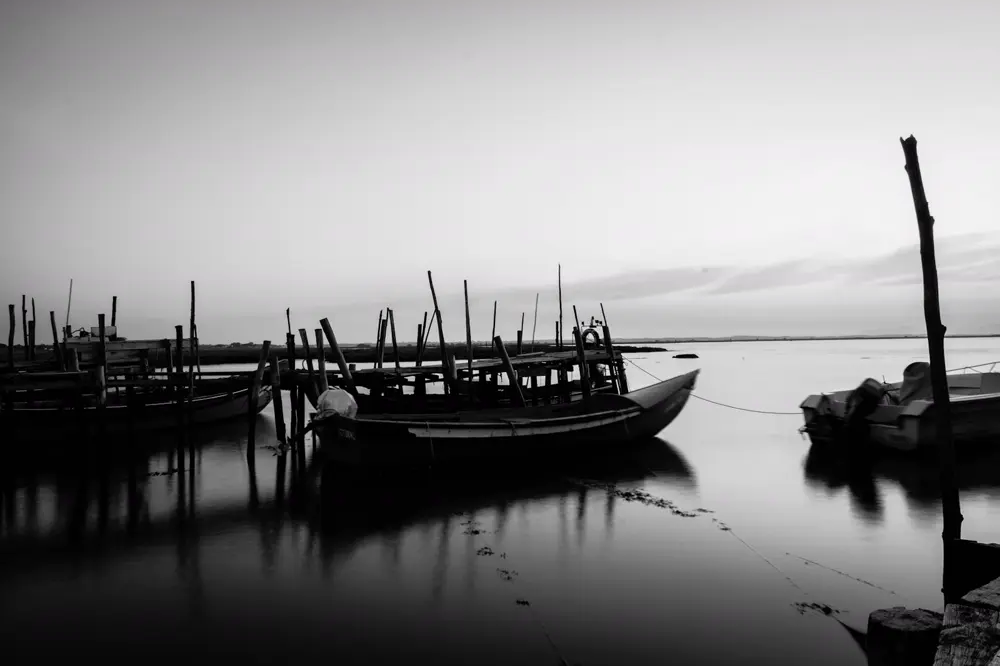
Long Exposure Photography: Capturing Motion
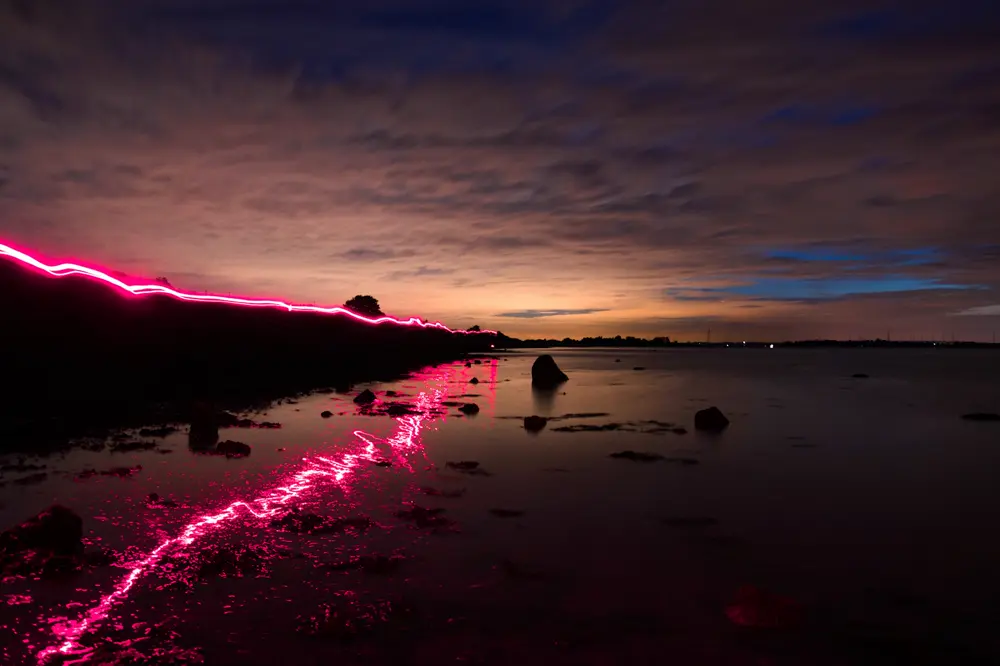
Long exposure photography is a captivating technique that allows you to reveal details invisible to the naked eye. By using a slow shutter speed, the camera captures movement as blur, creating ethereal and dreamlike images. This method isn’t limited to landscapes; it can transform everyday scenes into stunning works of art. Whether you’re aiming to smooth water, create light trails, or depict the motion of clouds, long exposure offers a unique perspective on the world around us.
The core principle behind long exposure is simple: the longer the camera’s shutter remains open, the more light it gathers. This extended exposure time allows moving elements within the frame to register as streaks or blurs, while stationary objects remain sharp. Mastering this technique involves understanding the interplay between shutter speed, aperture, ISO, and the use of neutral density (ND) filters.
Understanding Shutter Speed and Aperture
Shutter speed is the duration for which the camera sensor is exposed to light. In long exposure photography, we’re talking about shutter speeds of several seconds, or even minutes. A slower shutter speed means more motion blur. Aperture, represented by f-numbers (like f/8, f/16, f/22), controls the amount of light entering the lens. A smaller aperture (higher f-number) increases depth of field, keeping more of the scene in focus, which is often desirable in landscapes. However, it also requires more light, potentially necessitating longer exposure times.
The Role of ISO
ISO determines the camera sensor’s sensitivity to light. Lower ISO values (like 100 or 200) produce cleaner images with less noise, but require more light. Higher ISO values (like 800 or 1600) are useful in low-light situations, but can introduce unwanted grain or noise. For long exposure photography, it’s generally best to keep the ISO as low as possible to maintain image quality. You might consider exploring reducing noise in post-processing if necessary.
Neutral Density (ND) Filters
ND filters are essential tools for long exposure photography, especially in bright conditions. They reduce the amount of light entering the lens, allowing you to use slower shutter speeds without overexposing the image. ND filters are available in various strengths, measured in stops. A 1-stop ND filter reduces light by half, a 2-stop filter reduces it by a quarter, and so on. Choosing the right ND filter depends on the lighting conditions and the desired shutter speed.
Essential Equipment
- Camera: A DSLR or mirrorless camera with manual control over shutter speed, aperture, and ISO.
- Tripod: Absolutely crucial for keeping the camera stable during long exposures.
- Neutral Density (ND) Filters: To control the amount of light entering the lens.
- Remote Shutter Release: To avoid camera shake when pressing the shutter button.
- Lens: A wide-angle lens is often preferred for landscapes, but any lens can be used.
Techniques for Capturing Motion
Smoothing Water
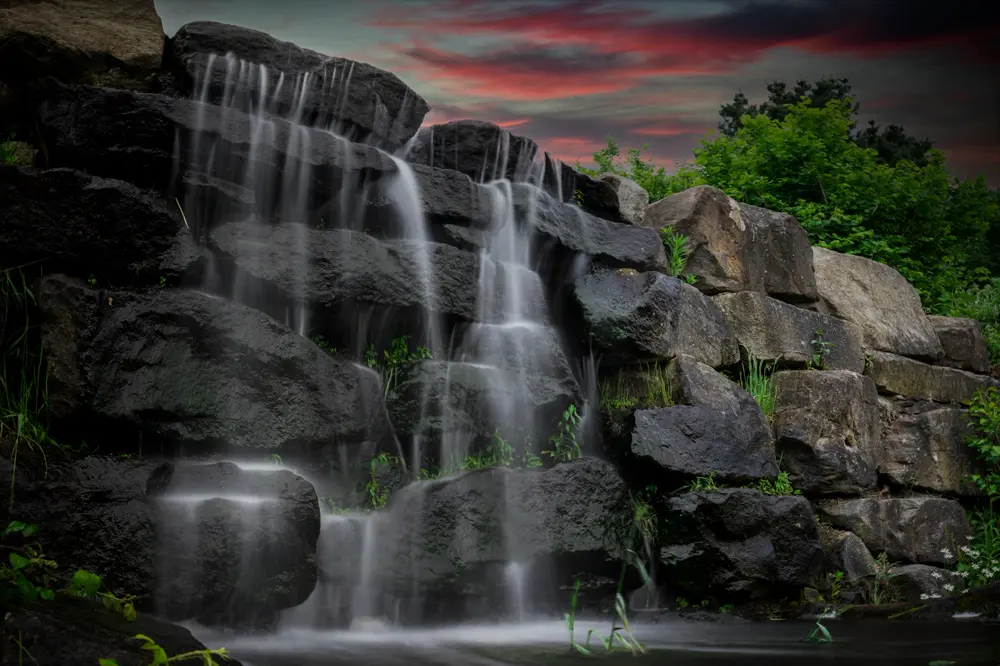
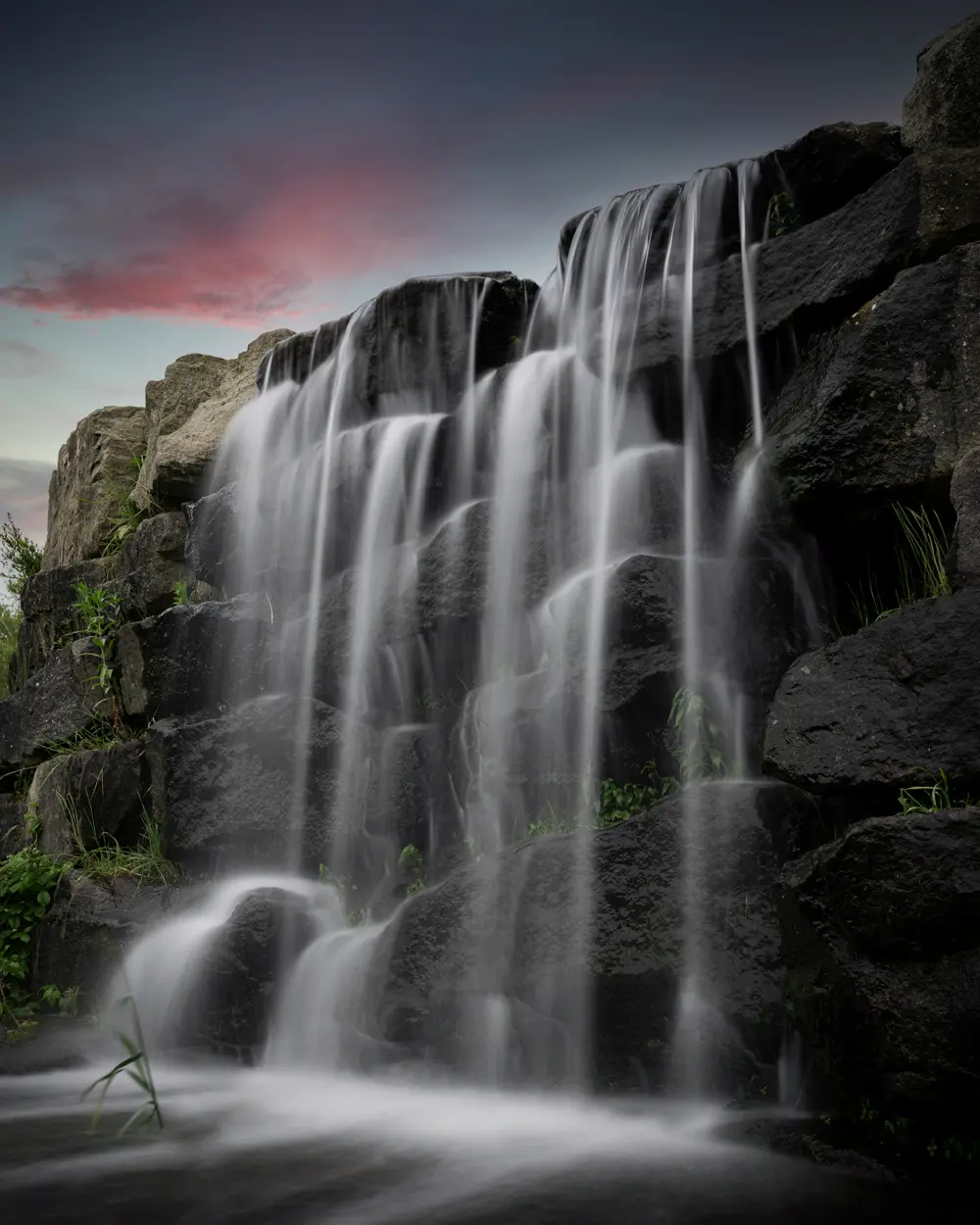
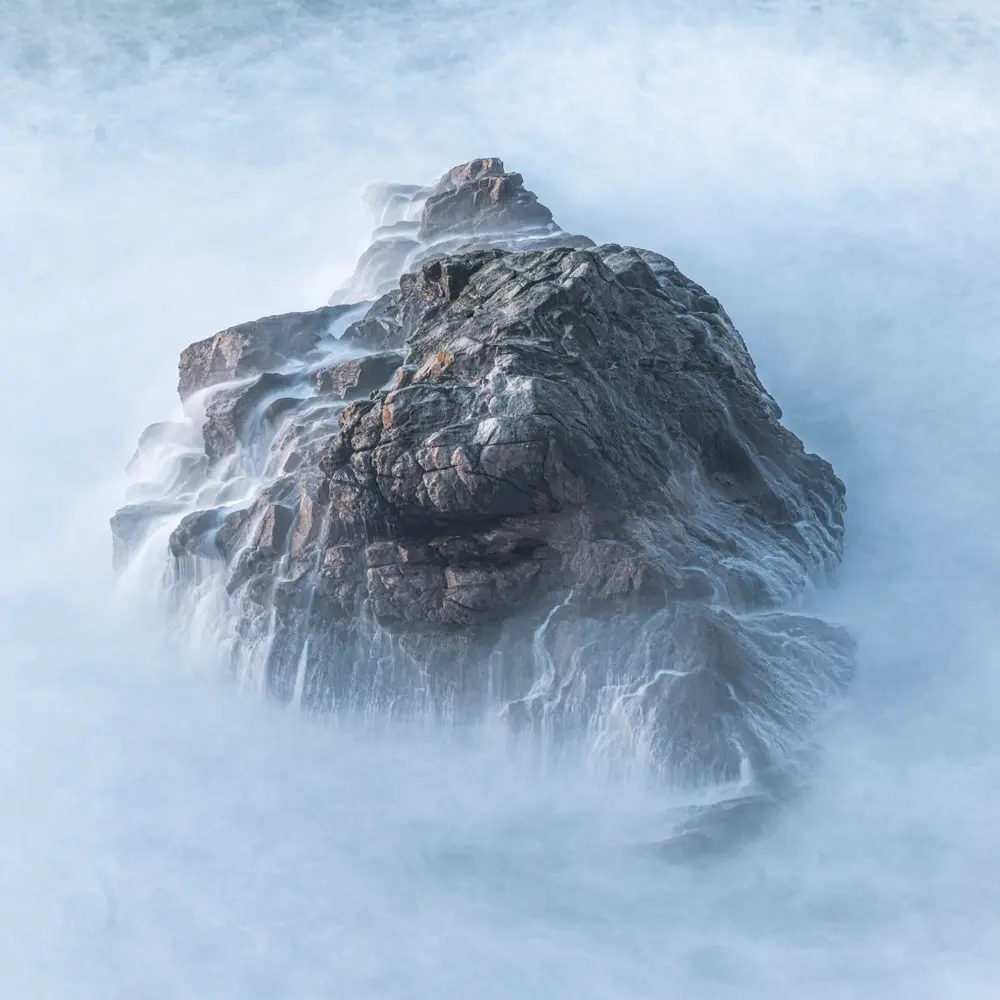
One of the most popular applications of long exposure is smoothing water. By using a slow shutter speed (typically between 0.5 and 30 seconds, depending on the water’s movement), you can transform choppy waves into a silky, ethereal surface. This technique works particularly well with waterfalls, rivers, and coastal scenes.
Light Trails
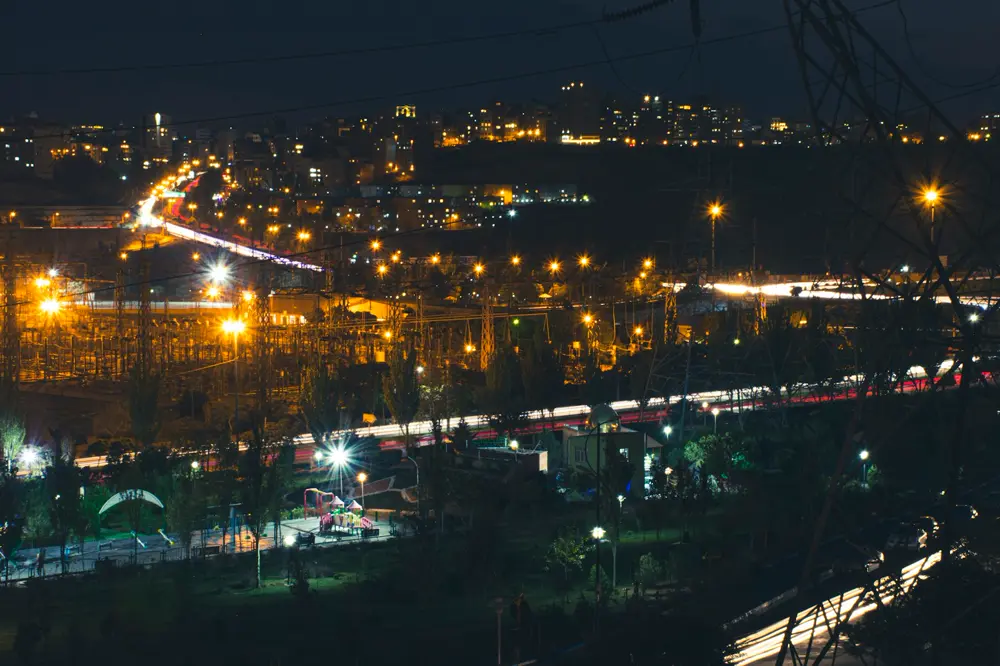
Capturing light trails from moving vehicles is another exciting long exposure technique. Position yourself in a location with traffic, use a tripod, and set a slow shutter speed (several seconds or even minutes). The headlights and taillights of cars will appear as streaks of light, creating dynamic and visually appealing images. Experiment with different angles and compositions to create unique light trail patterns.
Cloud Movement
Long exposure can also be used to depict the movement of clouds. A shutter speed of 30 seconds to several minutes can transform fluffy clouds into soft, blurred streaks across the sky. This technique requires careful planning and a stable tripod, as even slight movements can ruin the image.
Star Trails
For a truly mesmerizing effect, try capturing star trails. This involves using a very long shutter speed (often several hours) to record the apparent movement of stars across the night sky. This requires a dark location, a wide-angle lens, and a very sturdy tripod. You can also stack multiple shorter exposures in post-processing to achieve a similar effect.
Post-Processing Techniques
While long exposure photography aims to capture a compelling image in-camera, post-processing can further enhance the results. Adjusting white balance, contrast, and saturation can bring out the colors and details in your images. You can also use software like Adobe Lightroom or Photoshop to reduce noise, sharpen details, and remove any unwanted distractions. Consider learning about photo editing to refine your images.
Common Challenges and How to Overcome Them
Camera Shake: Even with a tripod, camera shake can occur, especially in windy conditions. Use a remote shutter release or the camera’s self-timer to minimize vibrations. Ensure your tripod is stable and weighted down if necessary.
Overexposure: In bright conditions, even with an ND filter, you may still struggle with overexposure. Reduce the aperture or ISO, or use a stronger ND filter.
Uneven Exposure: Bright skies can cause uneven exposure in landscape scenes. Use a graduated ND filter to darken the sky while maintaining detail in the foreground.
Conclusion
Long exposure photography is a rewarding technique that opens up a world of creative possibilities. By understanding the fundamentals of shutter speed, aperture, ISO, and ND filters, you can capture stunning images that reveal the beauty of motion and light. Don’t be afraid to experiment with different settings and techniques to find your own unique style. With practice and patience, you’ll be able to create captivating long exposure photographs that will impress and inspire.
Frequently Asked Questions
- Question: What is the best time of day for long exposure photography?
- Answer: The golden hour (shortly after sunrise and before sunset) and the blue hour (just before sunrise and after sunset) offer soft, diffused light that is ideal for long exposure photography. Overcast days also provide even lighting, making it easier to achieve balanced exposures.
- Question: How do I calculate the correct ND filter strength?
- Answer: The ND filter strength depends on the desired shutter speed and the existing lighting conditions. There are many ND filter calculators available online that can help you determine the appropriate filter strength based on your camera settings and the scene.
- Question: Can I use long exposure photography with a smartphone?
- Answer: Some smartphones offer a ‘long exposure’ mode, but the results are often limited compared to using a dedicated camera. You can also use apps that allow you to manually control the shutter speed on your smartphone, but a tripod is still essential.
- Question: What happens if my images are blurry even with a tripod?
- Answer: Blurriness can occur due to camera shake, wind, or a shaky tripod. Ensure your tripod is stable and weighted down, use a remote shutter release, and avoid touching the camera during the exposure.
- Question: Is it possible to achieve long exposure effects in post-processing?
- Answer: While you can simulate some long exposure effects in post-processing, such as motion blur, it’s generally best to capture the effect in-camera for the most natural and realistic results. Post-processing can then be used to enhance the image further.
Related posts:

Collections like this one connect to a bigger long-exposure library — Light Painting Photography: A Beginner’s Guide is a good thread to pull next.
Know someone whose screen needs a refresh? Pass this link along.
