
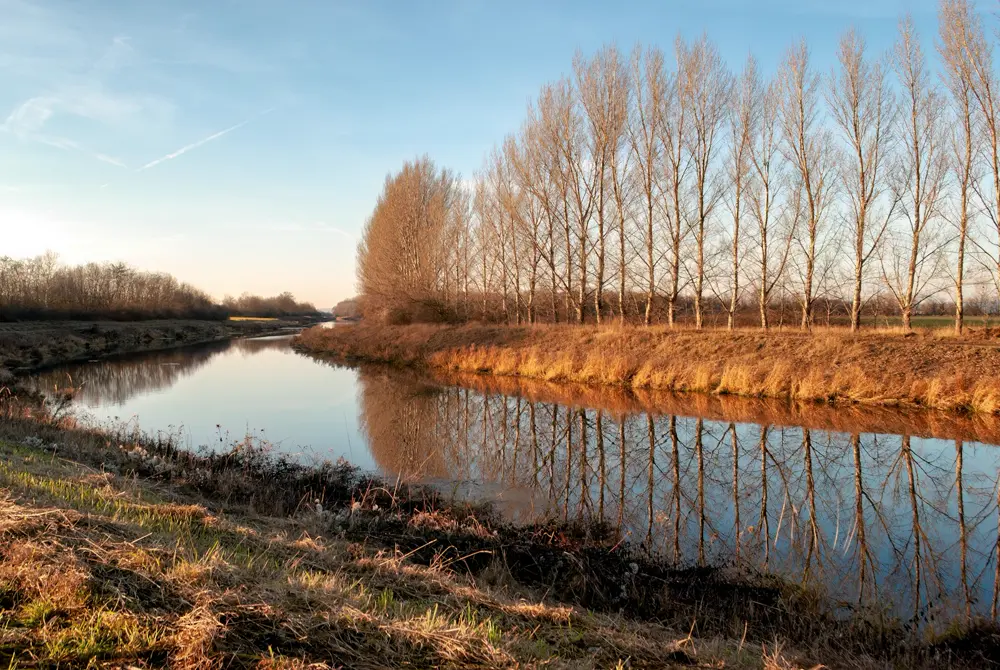
Water Reflections: Exploring Mirror Images
Have you ever paused to admire the perfect duplication of the world on a still lake, a calm river, or even a simple puddle? This captivating phenomenon, known as water reflection, is a beautiful interplay of light and surface tension. It’s a visual experience that has inspired artists, photographers, and dreamers for centuries. But what exactly causes these mirror images, and what makes some reflections clearer than others?
Beyond its aesthetic appeal, understanding water reflection touches upon principles of physics, optics, and even environmental science. From the way light behaves to the impact of wind and surface disturbances, there’s a surprising amount to unpack. This article will delve into the science behind water reflections, explore the factors that influence their quality, and showcase the artistic and cultural significance of this natural wonder.

The Science Behind the Mirror Effect
At its core, a water reflection is a type of specular reflection. This means that light rays bounce off a surface at the same angle at which they strike it. For a perfect reflection, the surface needs to be smooth – smoother than the wavelength of the light itself. Water, when calm, provides this relatively smooth surface. When light hits the water, it either penetrates the surface (refraction) or bounces back (reflection). The reflected light carries the image of whatever is in front of the water, creating the mirrored effect we see.
However, it’s rarely a perfect mirror image. Several factors contribute to distortions and imperfections. The angle of incidence (the angle at which light strikes the water) plays a crucial role. A steeper angle can lead to more internal reflection within the water, reducing the clarity of the surface reflection. The color of the water itself also influences the reflection; darker water tends to absorb more light, resulting in a dimmer reflection.
Factors Affecting Reflection Quality
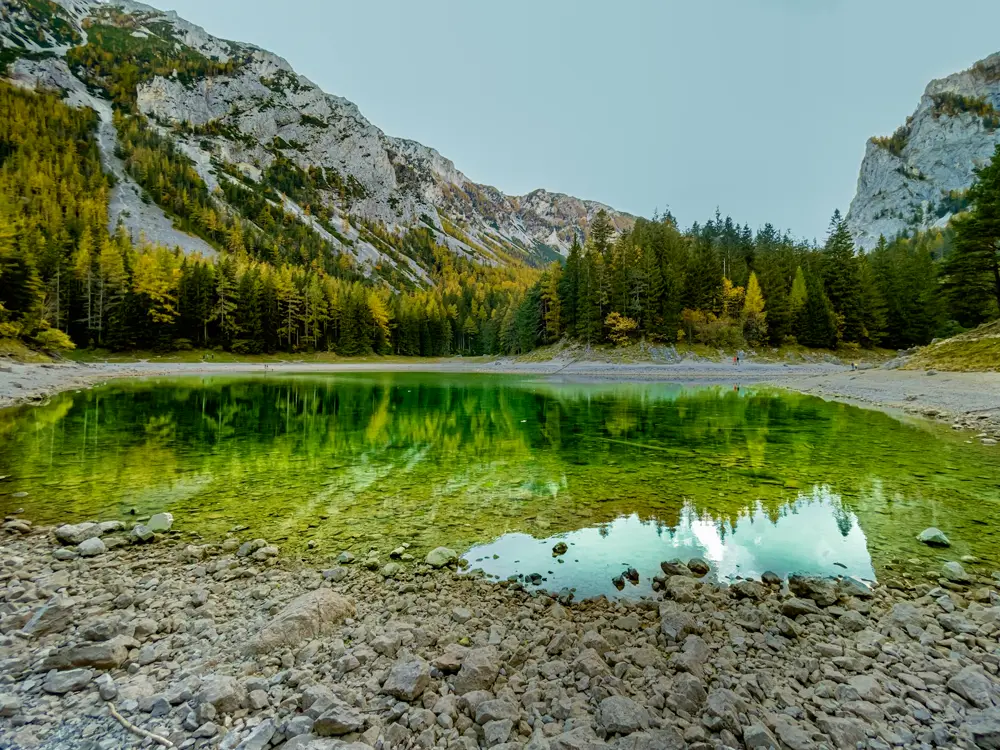
The clarity and quality of a water reflection are highly dependent on several environmental conditions. Wind is perhaps the most significant disruptor. Even a gentle breeze creates ripples and waves, breaking up the smooth surface and scattering the reflected light. This scattering causes the image to become distorted and fragmented. The calmer the water, the clearer the reflection.
Surface tension also plays a role. Substances that reduce surface tension, like detergents or oils, can make the water surface more susceptible to disturbances, diminishing the reflection. Conversely, certain natural oils or even the presence of specific minerals can slightly increase surface tension, potentially improving reflection quality. You might notice a particularly clear reflection after a light rain, as the raindrops can temporarily smooth out minor surface imperfections.
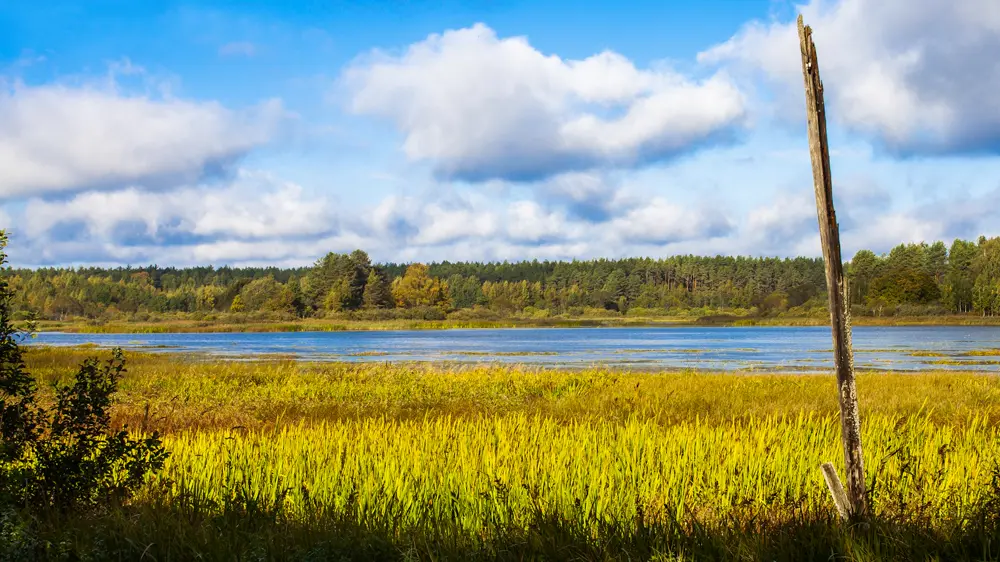
The type of water body also matters. A deep, still lake will generally produce a more stable and clearer reflection than a shallow, flowing stream. The surrounding environment impacts the reflection too. The presence of trees, buildings, or mountains adds complexity to the reflected image, creating layered and dynamic scenes. If you’re interested in learning more about the impact of the environment on natural phenomena, you might find information about weather patterns helpful.
Water Reflections in Art and Culture
Throughout history, water reflections have been a recurring motif in art and literature. Artists have long been captivated by the way reflections can double the beauty of a scene, create a sense of depth, and evoke feelings of tranquility and mystery. From the serene landscapes of Claude Monet to the symbolic use of reflections in Renaissance paintings, water reflections have served as a powerful artistic tool.

In Japanese art and philosophy, reflections are often associated with impermanence and the transient nature of reality. The fleeting quality of a reflection mirrors the ephemeral nature of life itself. Similarly, in many cultures, reflections are seen as symbolic of the subconscious mind or the hidden aspects of the self.
Photography also heavily utilizes water reflections. Photographers often seek out calm bodies of water to capture stunning mirrored images, using the reflections to create symmetry, enhance composition, and add visual interest. The technique requires patience and careful timing, as even a slight breeze can disrupt the reflection. Understanding the principles of photography can help you capture these moments effectively.
Observing Reflections in Everyday Life
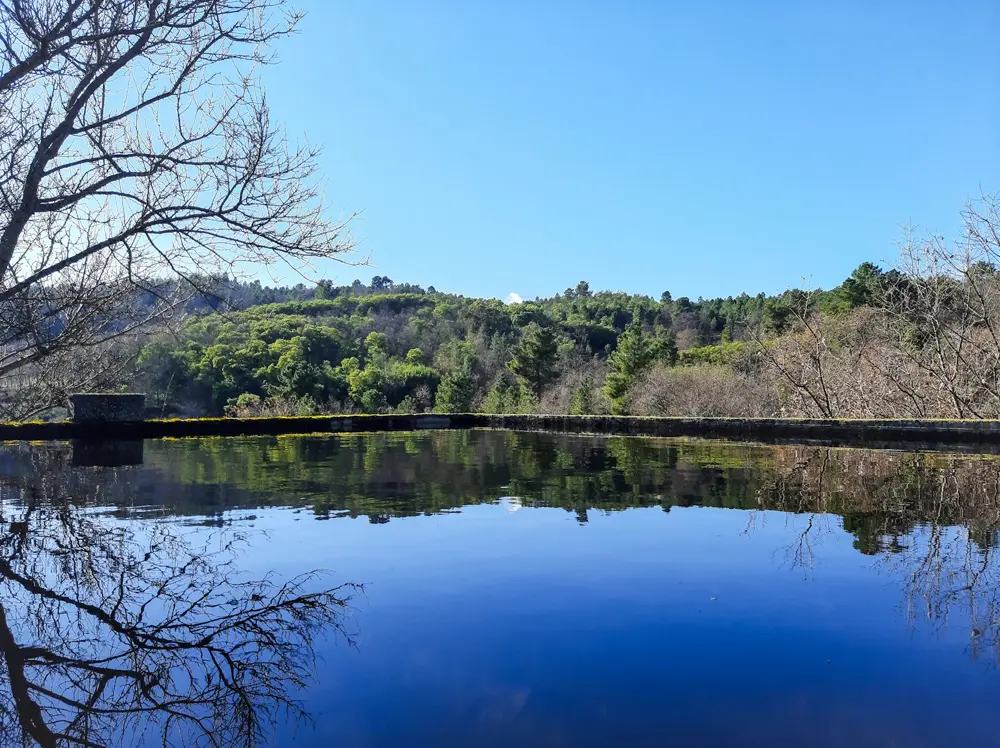
You don’t need to travel to a remote lake to appreciate water reflections. They are all around us, in everyday life. Puddles after a rain shower, the surface of a coffee cup, even a glass of water can create miniature reflections. Take a moment to observe these subtle reflections – they offer a glimpse into the fascinating world of optics and the beauty of natural phenomena.
Consider the reflections you see while driving. Wet roads often create distorted reflections of streetlights and buildings, adding a unique visual element to the nighttime landscape. Or think about the reflections in a swimming pool, which can create a sense of spaciousness and tranquility. These everyday observations can deepen your appreciation for the science and artistry of water reflections.
The Impact of Pollution on Reflections
Unfortunately, the quality of water reflections is increasingly threatened by pollution. Oil spills, plastic debris, and chemical runoff can all disrupt the surface tension of the water and create a film that distorts or eliminates reflections. Polluted water often appears murky and opaque, making it impossible to see a clear reflection. This serves as a stark reminder of the importance of protecting our waterways and preserving the natural beauty of our planet. Learning about environmental conservation is crucial for maintaining these natural wonders.
Conclusion
Water reflections are more than just pretty pictures. They are a testament to the elegant laws of physics, a source of artistic inspiration, and a reflection (pun intended!) of our relationship with the natural world. By understanding the science behind these mirror images and appreciating their cultural significance, we can gain a deeper understanding of the beauty and complexity of our planet. So, the next time you encounter a calm body of water, take a moment to pause and admire the captivating world reflected within.
Frequently Asked Questions
-
What makes a reflection clearer?
A clear reflection requires a smooth water surface, free from disturbances like wind or waves. Calm water, minimal surface tension disruption (from oils or detergents), and a darker surrounding environment generally contribute to clearer reflections. The angle of light also plays a role; a more direct angle often yields a sharper image.
-
Why do reflections appear dimmer than the original object?
Reflections are typically dimmer because not all of the light that strikes the object is reflected back to your eye. Some light is absorbed by the water, scattered by surface imperfections, or refracted (bent) as it enters and exits the water. The amount of light lost depends on the water’s clarity and the angle of incidence.
-
Can reflections be used for navigation?
Historically, reflections, particularly of stars, were used for basic navigation. However, relying solely on reflections is unreliable due to their distortion and instability. Modern navigation relies on more precise technologies like GPS and radar. Reflections can still provide a general sense of direction in certain situations.
-
How does the color of the water affect reflections?
The color of the water influences the wavelengths of light that are reflected. Darker water absorbs more light, resulting in a dimmer and potentially more muted reflection. Clearer water allows more wavelengths to be reflected, leading to a brighter and more accurate representation of the original scene. Colored water (e.g., due to algae) will tint the reflection accordingly.
-
Are reflections always perfectly symmetrical?
No, reflections are rarely perfectly symmetrical in the real world. Distortions caused by wind, waves, and surface imperfections break the symmetry. Additionally, the perspective from which you view the reflection can also affect its apparent symmetry. Even slight variations in the object being reflected can lead to asymmetries in the image.
Related posts:
New screens deserve new looks — the mirror-images shelf keeps growing, so check back for the latest drops.
Share this page with a friend who is hunting for a fresh background.
