
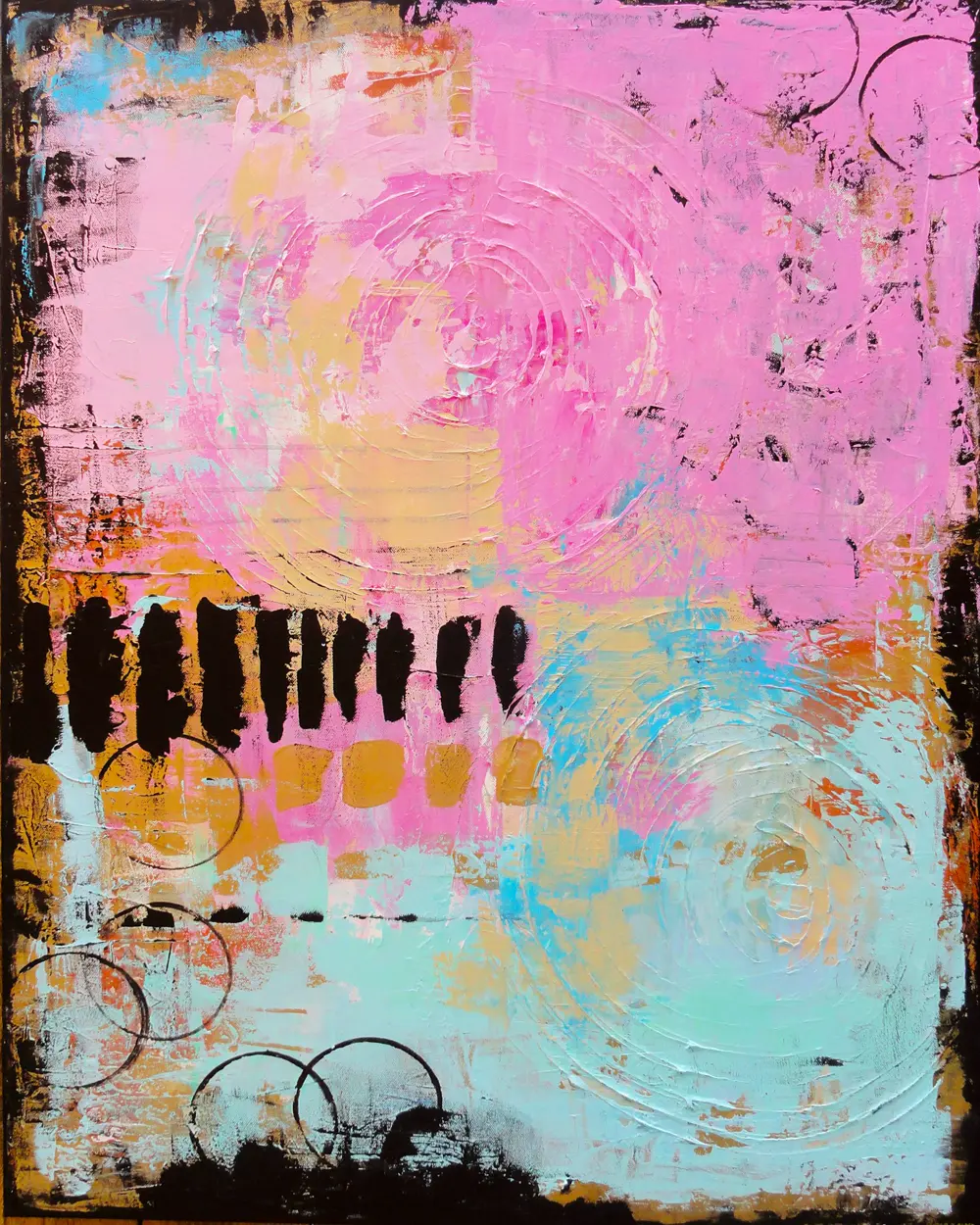
The visual landscape of digital design is undergoing a fascinating shift. While maximalism and neon aesthetics still hold ground, a quieter, more nostalgic movement is gaining traction. This is the rise of dynamic light retro wallpaper styles that blend mid-century minimalism with modern fluidity. These designs are not static; they breathe, shift, and adapt to the viewer’s environment, creating a subtle interaction between screen and space. For interior designers, digital artists, and everyday users, understanding this trend offers a unique opportunity to curate environments that feel both timeless and contemporary. This article explores the core elements, practical applications, and the psychological impact of these evolving visual patterns.
In This Article
- Defining the Aesthetic: What Makes It Dynamic?
- Color Palettes and Material Textures
- Applications in Digital and Physical Spaces
- Psychological Impact and User Experience
- How to Create or Select the Right Style
Defining the Aesthetic: What Makes It Dynamic?
To understand the appeal of this trend, we must first dissect its components. Retro wallpaper traditionally refers to patterns popularized in the 1960s and 1970s, characterized by geometric shapes, bold colors, and organic forms. However, the dynamic aspect introduces movement and variability. In digital contexts, this often means animated backgrounds that subtly shift hues or scale patterns based on the time of day or user movement. In physical interior design, it refers to materials or patterns that change perception depending on lighting conditions, viewing angle, or texture depth.
This evolution moves away from flat, static images toward immersive experiences. Light retro specifically emphasizes a softer, more airy interpretation of these classic styles. It avoids the harshness of high-contrast neons in favor of pastel tones, muted earth colors, and delicate line work. The result is a visual language that feels inviting rather than overwhelming. By integrating motion or light-reactivity, these designs create a sense of liveliness that static art cannot achieve. This is particularly relevant in an era where screens are the primary interface for content consumption.
modern design principles often prioritize user comfort and visual flow. Dynamic light retro wallpapers align with this by reducing visual fatigue. Unlike static, high-saturation images that can cause eye strain over long periods, these softer, shifting patterns encourage a more relaxed state of mind. The movement is typically slow and gentle, mimicking natural phenomena like the play of sunlight through a window or the drift of clouds. This subtlety is key to its effectiveness across various platforms, from smartphone backgrounds to large-format office murals.
Color Palettes and Material Textures
The foundation of any retro-inspired design is its color story. Dynamic light retro aesthetics typically employ a specific subset of the retro palette. Instead of the acidic yellows and electric blues of the late 70s, this trend favors a desaturated, sun-bleached look. Think of faded terracotta, dusty lavender, sage green, and cream. These colors evoke a sense of nostalgia without feeling dated. They are warm and inviting, creating a cozy atmosphere that is easy on the eyes.
The Role of Texture
Texture plays a crucial role in adding depth to these designs. In digital media, texture is simulated through grain overlays, noise filters, and subtle gradients that mimic the imperfections of analog photography or print. In physical spaces, texture is achieved through material choice. Wallpaper with a matte finish, linen weave, or subtle embossing can enhance the retro feel by catching light differently throughout the day. This interplay between light and material is what makes the design ‘dynamic’ in a physical context. As the sun moves across a room, the shadows cast by the texture change, altering the perception of the pattern and keeping the space visually interesting.
Combining soft color palettes with tactile textures creates a multi-sensory experience. This approach is particularly effective in creating calming environments. Whether it is a digital background that shifts from cool morning tones to warm evening hues, or a physical wall that changes character with the light, the goal is to create a living backdrop that complements rather than competes with the primary activity in the space.
Applications in Digital and Physical Spaces
The versatility of this aesthetic allows it to be applied across a wide range of mediums. In the digital realm, dynamic wallpapers are increasingly popular for desktops and mobile devices. Operating systems and apps are beginning to support live wallpapers that respond to system status or time of day. A dynamic light retro wallpaper on a smartphone might feature a subtle, animated geometric pattern that pulses gently, providing a sense of life to the device without distracting the user from their tasks.
For web developers and UI/UX designers, these patterns can be used as background elements in landing pages or user interfaces. The key is to maintain readability. By keeping the patterns low-contrast and soft, text remains legible while the background adds visual interest. This approach enhances user engagement by making the interface feel more personal and less corporate. It adds a layer of warmth that is often missing in stark, minimalist digital designs.
In physical interior design, the trend is seen in the selection of retro wallpaper for accent walls, bedrooms, and home offices. Designers are opting for patterns that feature organic shapes, such as amoebas, waves, or sunbursts, rendered in soft, muted colors. These walls serve as focal points that anchor the room’s aesthetic. Paired with modern furniture and clean lines, the retro elements provide a striking contrast that feels curated and intentional. The dynamic aspect in physical spaces often comes from the lighting design. Using warm, dimmable lighting can change the mood of the room, making the same wallpaper appear cozy in the evening and bright and airy in the morning.
Psychological Impact and User Experience
Color and pattern have a profound impact on human psychology. The light retro aesthetic is designed to evoke feelings of nostalgia, comfort, and calm. Nostalgia is a powerful emotional trigger that can create a positive association with a space or device. Seeing patterns reminiscent of the past can trigger memories of simpler times, reducing stress and anxiety. This is particularly important in today’s fast-paced, high-stress environment. A workspace or home environment that feels safe and comforting can improve productivity and well-being.
The dynamic element adds another layer of psychological benefit. Static environments can feel stagnant, while overly busy environments can feel chaotic. Gentle, slow-moving patterns provide a middle ground. They offer a sense of movement and life without demanding attention. This can help users stay focused on their tasks while feeling less isolated in a static digital or physical void. It creates a subtle sense of connection to the environment, making the space feel more inhabited and alive.
Furthermore, the use of soft, natural colors contributes to a sense of balance. These colors are associated with nature and tranquility. They help to lower heart rate and promote relaxation. In a digital context, this can mean longer, more comfortable sessions of work or entertainment. In a physical context, it can mean a more restful sleep or a more peaceful home environment. The combination of these elements makes dynamic light retro wallpaper a practical choice for those looking to enhance their daily experience.
How to Create or Select the Right Style
For those looking to incorporate this trend into their own lives, whether through digital customization or interior renovation, there are several key considerations. First, assess the primary function of the space or device. If it is a workspace, prioritize clarity and low distraction. Choose patterns that are subtle and colors that are muted. If it is a creative space, you might opt for slightly bolder patterns that inspire creativity without overwhelming the senses.
When selecting or creating a dynamic light retro wallpaper, pay attention to the speed of movement if it is animated. The movement should be barely perceptible. If it is too fast, it will become a distraction. If it is too slow, it may not register as dynamic. Aim for a slow, rhythmic pulse or drift. For physical wallpaper, consider the lighting in the room. If the room has limited natural light, choose lighter colors that reflect artificial light well. If the room is bright, you can experiment with slightly deeper tones that will look rich in sunlight.
Finally, consider the longevity of the trend. While retro styles come and go, the core elements of soft colors and organic shapes are timeless. By focusing on these fundamentals, you ensure that your design remains relevant and appealing for years to come. Whether you are updating your phone background or renovating your living room, the goal is to create a space that feels uniquely yours while tapping into a broader, comforting aesthetic language. The result is a harmonious blend of past and present, static and dynamic, light and texture.
Conclusion
The rise of dynamic light retro wallpaper represents a significant shift in how we approach visual design. It moves beyond mere decoration to create immersive, emotionally resonant experiences. By combining the nostalgia of retro patterns with the fluidity of dynamic elements and the softness of light color palettes, this trend offers a versatile solution for both digital and physical spaces. It enhances user comfort, reduces visual fatigue, and adds a layer of personal warmth to our daily environments. As technology advances and interior design continues to evolve, we can expect to see this aesthetic become even more integrated into our lives, offering a comforting constant in a changing world.
Frequently Asked Questions
What is the best color palette for a dynamic light retro wallpaper?
The best palettes typically include muted earth tones like terracotta, sage, and cream, combined with soft pastels like dusty lavender or pale peach. These colors are easy on the eyes and evoke a sense of calm and nostalgia, making them ideal for both digital and physical applications.
How can I use this style in a modern home office?
You can use a dynamic light retro wallpaper as a digital background for your desktop or as a physical accent wall. For physical walls, choose a pattern with organic shapes in muted colors to add warmth without cluttering the space. Pair it with clean-lined, modern furniture to create a balanced, contemporary look.
Does dynamic movement in wallpapers affect productivity?
Generally, subtle, slow-moving patterns do not negatively affect productivity. In fact, they can reduce visual fatigue and stress. However, if the movement is too fast or the colors are too high-contrast, it may become a distraction. Always test the wallpaper in your specific work environment to ensure it remains unobtrusive.
What is the difference between retro and light retro aesthetics?
Traditional retro aesthetics often feature bold, high-contrast colors and sharp geometric shapes. Light retro aesthetics soften these elements, using desaturated, pastel colors and more organic, flowing lines. The ‘light’ aspect refers to the airy, less aggressive feel of the design, making it more suitable for calming environments.
Can I create a dynamic light retro wallpaper myself?
Yes, with basic graphic design software or animation tools, you can create these wallpapers. Start with a simple retro pattern, apply a grain or noise texture, and add subtle keyframe animations for movement. Focus on slow, gentle transitions to maintain the ‘light’ and calming quality of the design.

Related posts:
Found a favourite here? Pink Rose Wallpaper Themes: Elevate Your Digital Aesthetic is the natural next stop on this trail.
Share this page with a friend who is hunting for a fresh background.
