
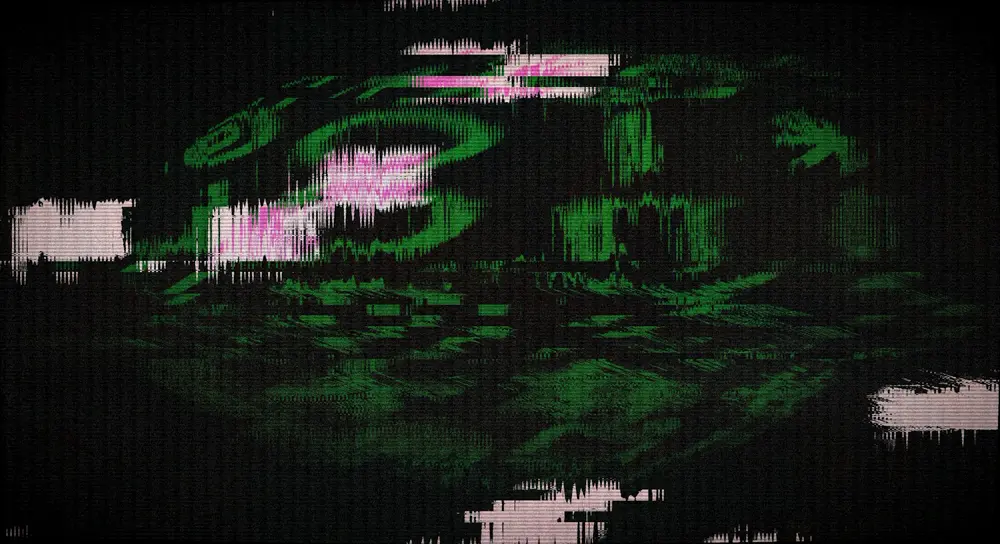
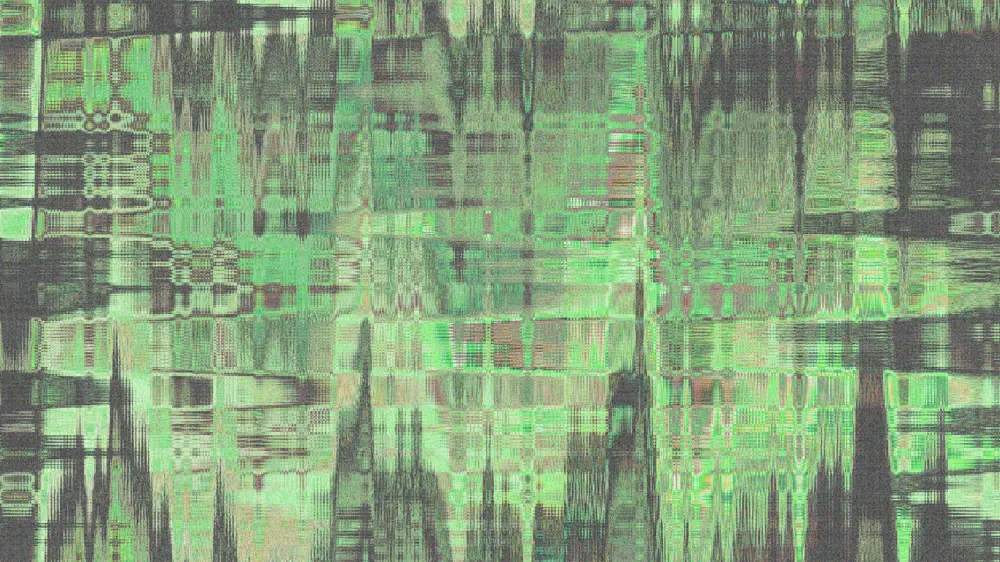
The digital landscape is constantly evolving, and mint glitch wallpaper aesthetics have emerged as a striking intersection of retro-futurism and modern digital art. This visual style combines the soothing, organic tones of mint green with the chaotic, fragmented energy of glitch art. For designers, developers, and digital enthusiasts, understanding this trend is crucial for creating engaging user interfaces, social media content, and immersive digital environments. The appeal lies in the contrast: the calmness of the color palette versus the digital instability of the visual distortion. In this article, we will explore the origins, technical aspects, and practical applications of this unique aesthetic.
- Origins of the Mint Glitch Aesthetic
- Technical Aspects of Glitch Art
- Practical Applications in Design
- Psychological Impact of Color and Distortion
- Conclusion
Origins of the Mint Glitch Aesthetic
The concept of glitch art has roots in the early days of digital media, where errors in data processing were celebrated rather than corrected. Artists began to intentionally manipulate digital files to create visual noise, pixelation, and color shifts. Over time, specific color palettes became associated with these distortions. The mint green shade, often reminiscent of early computer terminals and cyberpunk themes, became a popular choice for its association with digital technology. When combined with glitch effects, the result is a visual language that speaks to both nostalgia and modernity. This aesthetic is not just about breaking the image; it is about reinterpreting the digital medium itself. By using mint tones, artists soften the harshness of traditional red or blue glitches, creating a more accessible and visually pleasing experience. This shift has made the style popular across various platforms, from high-end brand identities to casual mobile wallpapers. Understanding this evolution helps in appreciating the depth of the style beyond its superficial appearance.
Technical Aspects of Glitch Art
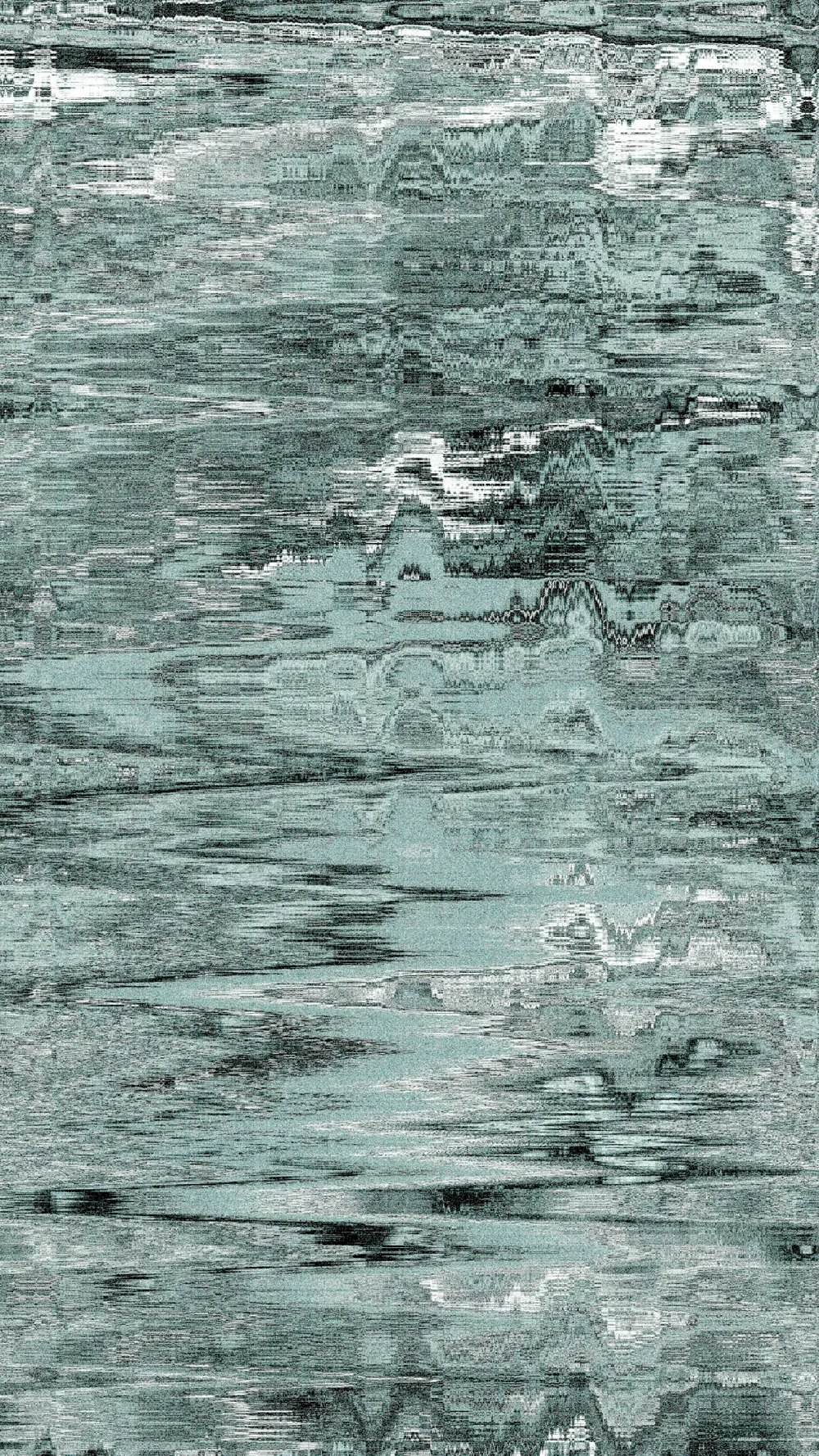
Creating a high-quality mint glitch wallpaper requires a blend of artistic vision and technical skill. Traditional methods involved using software to manipulate image data directly, such as altering hexadecimal codes or shifting pixel channels. Modern tools have made this process more accessible, allowing designers to apply preset glitch effects with ease. However, achieving a cohesive look with mint tones requires careful color management. The mint hue must remain dominant, while the glitch effects should enhance rather than overwhelm the base color. Key techniques include channel shifting, where the red, green, and blue channels are offset from each other, creating a chromatic aberration effect. In the context of mint glitch art, this often results in subtle outlines of pink or cyan around the green base. Another technique is dithering, which introduces a pattern of pixels that mimics the low-resolution look of older digital displays. These technical elements contribute to the authenticity of the glitch aesthetic, ensuring that the final product feels like a genuine digital artifact rather than a simple filter. For those looking to dive deeper into these methods, exploring resources on glitch techniques can provide valuable insights into the craft.
Color Theory and Palette Selection
The choice of mint green is not arbitrary. In color theory, mint is a pastel shade of green, which evokes feelings of freshness, tranquility, and renewal. When paired with glitch effects, which often introduce chaotic colors, the mint base acts as a stabilizing force. This contrast is key to the aesthetic’s success. Designers often use a limited palette, sticking to shades of mint, white, and perhaps a hint of dark gray or black for depth. Adding other bright colors can distract from the core visual message. The goal is to create a sense of digital decay that is still visually harmonious. This balance is what distinguishes professional glitch art from amateur attempts. By mastering this color theory, creators can produce work that resonates with a broader audience.
Practical Applications in Design
The versatility of the mint glitch wallpaper style extends far beyond desktop backgrounds. It is widely used in various design fields, each leveraging the aesthetic for different purposes. In web design, subtle mint glitch elements can be used to add visual interest to landing pages without compromising readability. For example, a hero section with a mint glitch background can grab attention while maintaining a clean, modern look. In fashion, the aesthetic has influenced textile patterns and digital print designs, appearing on everything from streetwear to high-fashion accessories. The digital native aspect of the style makes it particularly relevant for brands targeting younger audiences who grew up with technology. Additionally, the mint glitch look is popular in music album covers and video game assets, where it conveys a sense of cyberpunk or sci-fi themes. For those interested in incorporating this style into their projects, looking at examples of design trends can offer inspiration. The key is to use the aesthetic sparingly and purposefully, ensuring it enhances the overall message rather than detracting from it.
Mobile and Digital Interfaces
On mobile devices, the mint glitch aesthetic is particularly effective due to the smaller screen size. The vibrant mint tones pop against the dark mode backgrounds commonly used in modern apps. This makes it an ideal choice for app icons, notification banners, and loading screens. The glitch elements can be used to indicate dynamic states, such as data syncing or error messages, adding a layer of interactivity to the user experience. By integrating this style into digital interfaces, developers can create a memorable brand identity that stands out in a crowded market. The consistency of the mint palette across different touchpoints ensures a cohesive user journey, from the first click to the final interaction.
Psychological Impact of Color and Distortion
Understanding the psychological effects of mint glitch wallpaper designs is essential for creating effective visual communication. The color mint is generally associated with calmness and clarity, which can help reduce cognitive load for users. However, the glitch elements introduce a sense of unpredictability and digital tension. This combination can evoke a range of emotions, from curiosity to mild anxiety, depending on the intensity of the distortion. In a fast-paced digital world, this tension can be engaging, capturing the user’s attention and encouraging them to explore further. The aesthetic also reflects the current cultural mood, where digital instability is a common theme. By tapping into these psychological triggers, designers can create work that resonates on a deeper level. It is important to strike a balance, ensuring that the glitch effects do not become overwhelming or distracting. The goal is to create a visual experience that is both stimulating and comfortable.
Cultural Significance and Trends
The popularity of the mint glitch aesthetic is part of a broader trend towards digital surrealism. This movement celebrates the quirks and imperfections of digital media, turning bugs into features. It is a reflection of a society that is increasingly connected to technology, yet aware of its limitations and fragility. The mint color adds a layer of optimism to this narrative, suggesting that even in the face of digital chaos, there is beauty and order. This cultural context makes the style relevant for brands that want to position themselves as innovative and forward-thinking. By understanding these cultural underpinnings, creators can ensure that their work is not just visually appealing, but also meaningful and resonant.
Conclusion
The mint glitch wallpaper aesthetic is a powerful tool in the modern designer’s arsenal. By combining the soothing tones of mint green with the dynamic energy of glitch art, it creates a visual language that is both nostalgic and futuristic. Whether used in web design, mobile interfaces, or fashion, this style offers a unique way to capture attention and convey complex emotions. As digital media continues to evolve, so too will the techniques and applications of this aesthetic. By staying informed about the latest trends and understanding the underlying principles of color and distortion, creators can produce work that is both technically sound and artistically compelling. The key is to use this style with intention, ensuring that it serves the overall message and enhances the user experience. As we move further into the digital age, the mint glitch look will likely remain a staple of visual culture, continuing to inspire and engage audiences worldwide.
Frequently Asked Questions
What is the best software for creating mint glitch wallpapers?
Popular options include Adobe Photoshop, GIMP, and specialized glitch art apps like Glitchify. These tools offer a range of filters and controls that allow for precise manipulation of color and distortion effects.
How can I incorporate mint glitch aesthetics into a website without hurting readability?
Use mint glitch patterns as backgrounds for header sections or call-to-action buttons, ensuring that text is placed on solid or semi-transparent overlays to maintain contrast. Avoid using high-intensity glitch effects on areas with small text.
Why is mint green a popular color in glitch art?
Mint green is associated with early digital displays and cyberpunk themes. It provides a calm base that contrasts well with the chaotic colors often introduced by glitch effects, making the final image more visually appealing than harsher reds or blues.
Is the mint glitch style suitable for all types of brands?
It is particularly effective for tech, fashion, and creative industries. However, it may not be suitable for conservative or traditional brands that prioritize simplicity and stability. The key is to align the aesthetic with the brand’s overall identity and target audience.
How do I ensure the mint tone remains dominant in a glitch design?
Adjust the opacity and saturation of the glitch effects to keep the mint base visible. Use color correction tools to fine-tune the hue, ensuring that the green tones are not overwhelmed by other colors introduced by the distortion.
Related posts:

Still browsing? High Res Turquoise Pattern Wallpaper: Trends & Ideas is another collection worth a look — fresh picks in the same spirit.
Know someone whose screen needs a refresh? Pass this link along.
