
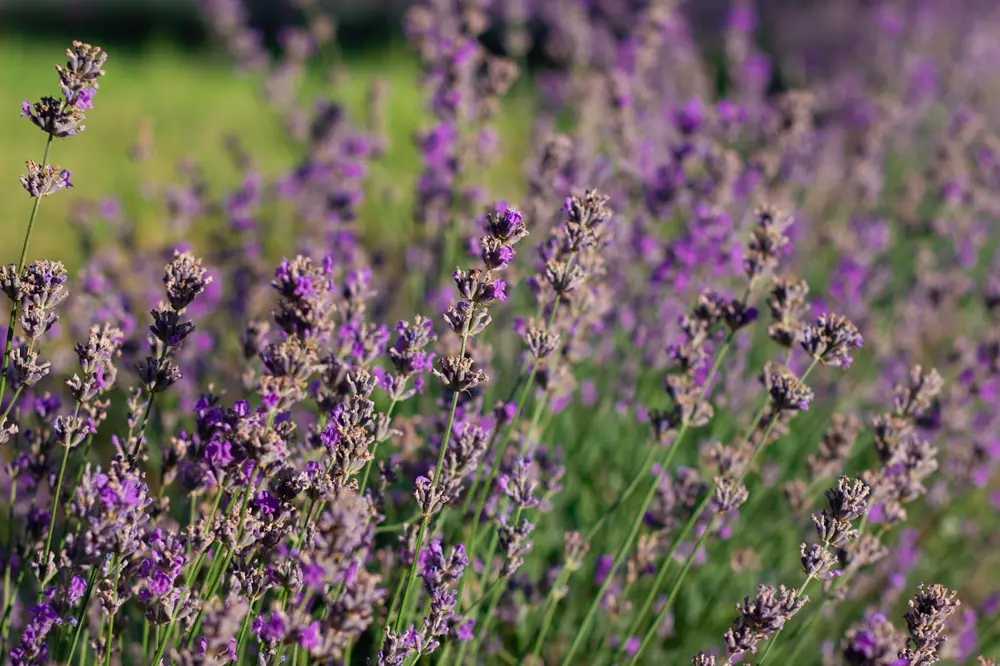
Growing Lavender: A Complete Guide
Lavender, with its soothing fragrance and beautiful purple blooms, is a beloved plant for gardens and aromatherapy. But successfully growing lavender requires understanding its specific needs. This guide will cover everything from choosing the right variety to harvesting and using your lavender, helping you cultivate a thriving patch of this aromatic herb.
Many people associate lavender with the rolling hills of Provence, France, but it can be grown successfully in many climates with the right care. Whether you’re a seasoned gardener or just starting out, this comprehensive guide will provide you with the knowledge to enjoy the beauty and benefits of homegrown lavender.

Choosing the Right Lavender Variety
There are over 45 different species of lavender, but a few are more commonly grown in gardens. Understanding the differences between these varieties is crucial for success.
- English Lavender (Lavandula angustifolia): This is the most popular type, known for its sweet fragrance and cold hardiness. It’s ideal for culinary uses, sachets, and essential oils. Varieties include ‘Munstead’ and ‘Hidcote’.
- Lavandin (Lavandula x intermedia): A hybrid of English lavender and spike lavender, lavandin is more vigorous and produces larger yields of oil. It’s often used for commercial oil production. Popular varieties include ‘Grosso’ and ‘Provence’.
- Spike Lavender (Lavandula latifolia): This variety has a sharper, more camphorous scent and is less cold-hardy than English lavender. It’s often used in medicinal preparations.
- French Lavender (Lavandula dentata): Recognizable by its toothed leaves, French lavender prefers warmer climates and has a slightly different fragrance.
Consider your climate and intended use when selecting a variety. For colder regions, English lavender is the best choice. If you’re looking for a high yield of oil, lavandin is a good option. Understanding the different types will help you choose the best plant for your garden. You might also find information about herbs helpful in planning your garden layout.
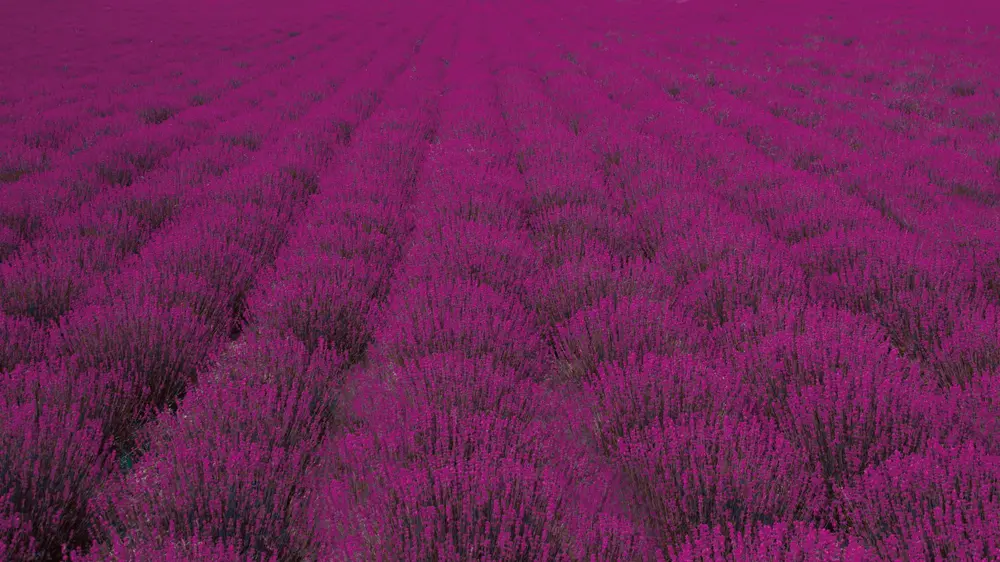
Planting Lavender
Lavender thrives in full sun and well-drained soil. Poor drainage is the most common cause of lavender failure. Here’s a step-by-step guide to planting:
- Soil Preparation: Lavender prefers slightly alkaline soil (pH 6.5-8.0). Amend heavy clay soils with sand and gravel to improve drainage.
- Spacing: Space plants 2-3 feet apart to allow for good air circulation.
- Planting Depth: Plant lavender at the same depth it was growing in its container. Avoid burying the crown of the plant.
- Watering: Water thoroughly after planting, but avoid overwatering.
Lavender can be started from seeds, cuttings, or purchased as established plants. Starting from cuttings is a relatively easy way to propagate lavender. Established plants offer the quickest route to blooms.
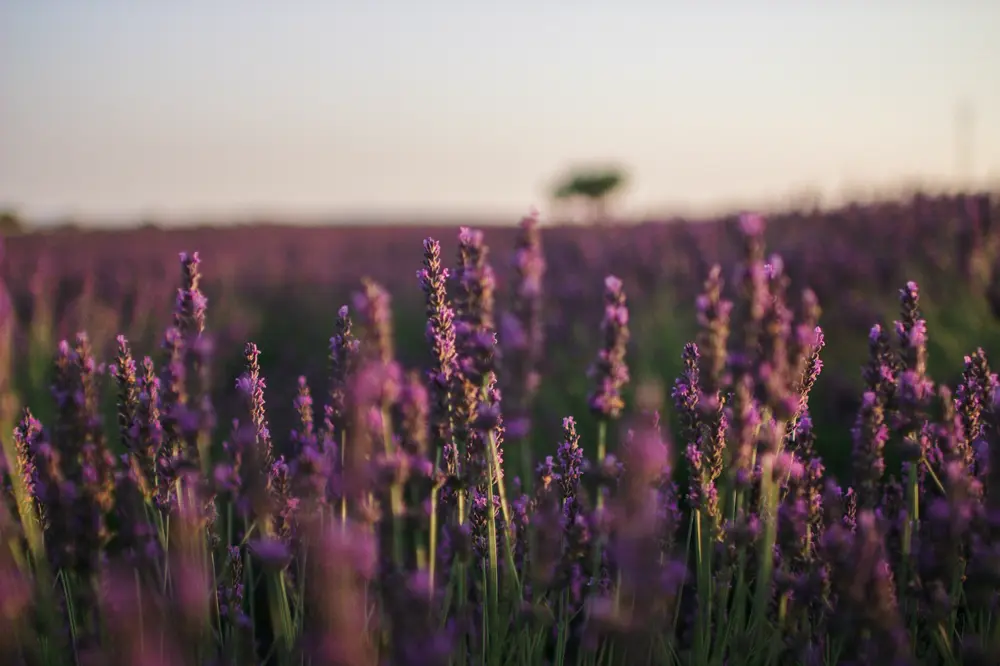
Lavender Care
Once established, lavender is relatively low-maintenance. However, a few key care practices will ensure healthy growth and abundant blooms.
Watering
Lavender is drought-tolerant and prefers dry conditions. Overwatering can lead to root rot. Water deeply but infrequently, allowing the soil to dry out completely between waterings. Established plants generally only need watering during prolonged dry spells.
Fertilizing
Lavender doesn’t require heavy fertilization. In fact, too much fertilizer can reduce the fragrance of the blooms. If your soil is poor, you can apply a light application of compost in the spring. Avoid fertilizers high in nitrogen.
Pruning
Pruning is essential for maintaining a compact shape and encouraging new growth. Prune lavender after flowering, removing about one-third of the plant’s growth. Avoid cutting into the old wood, as lavender doesn’t readily regenerate from there. Regular pruning also helps prevent the plant from becoming woody and leggy.
Winter Care
In colder climates, lavender may benefit from winter protection. Mulch around the base of the plant with straw or evergreen boughs to insulate the roots. Some varieties may also need to be covered with a frost blanket during particularly harsh winters. Consider the impact of seasonal changes on your garden when planning your lavender care.
Harvesting and Using Lavender
Harvest lavender when the flowers are fully open but before they begin to fade. Cut the stems in the morning, after the dew has dried. Bundle the stems together and hang them upside down in a cool, dark, and well-ventilated place to dry. Once dry, the flowers can be used for a variety of purposes:
- Sachets: Fill small fabric bags with dried lavender flowers to create fragrant sachets for drawers and closets.
- Essential Oil: Lavender essential oil is used in aromatherapy for its calming and relaxing properties.
- Culinary Uses: Lavender flowers can be used to flavor baked goods, teas, and savory dishes.
- Crafts: Dried lavender flowers can be used in potpourri, wreaths, and other crafts.
Common Problems and Solutions
While generally pest and disease resistant, lavender can occasionally encounter problems:
- Root Rot: Caused by overwatering and poor drainage. Improve drainage and reduce watering frequency.
- Fungal Diseases: Can occur in humid conditions. Ensure good air circulation and avoid overhead watering.
- Aphids: Small insects that suck sap from the plants. Control with insecticidal soap or a strong spray of water.
Conclusion
Growing lavender can be a rewarding experience, providing you with a beautiful and fragrant addition to your garden. By understanding its specific needs and following the tips outlined in this guide, you can successfully cultivate this versatile herb and enjoy its many benefits for years to come. With a little care and attention, your lavender patch will thrive, filling your garden with its calming scent and vibrant color.
Frequently Asked Questions
What is the best time of year to plant lavender?
The best time to plant lavender is in the spring after the last frost, or in the fall at least six weeks before the first frost. This allows the plant to establish its roots before being subjected to extreme temperatures. Spring planting is generally preferred in colder climates.
How much sun does lavender need?
Lavender requires at least 6-8 hours of direct sunlight per day. Full sun is crucial for optimal growth, flowering, and fragrance development. Insufficient sunlight can result in leggy growth and reduced blooms.
Can I grow lavender in a pot?
Yes, lavender can be successfully grown in pots. Choose a pot with good drainage and use a well-draining potting mix. Ensure the pot is large enough to accommodate the plant’s growth and provide adequate air circulation. Regular pruning is especially important for potted lavender.
How often should I water my lavender plant?
Lavender prefers dry conditions and should be watered sparingly. Allow the soil to dry out completely between waterings. Overwatering is a common mistake that can lead to root rot. Water deeply but infrequently, especially during dry spells.
What can I do with the harvested lavender flowers?
Harvested lavender flowers can be used in a variety of ways, including making sachets, potpourri, essential oil, and infused oils. They can also be used in culinary applications, such as flavoring baked goods, teas, and savory dishes. Dried lavender is also beautiful in floral arrangements.
Related posts:
Plenty more backgrounds are waiting in the related collections below — keep browsing until one sticks.
Save your favourites and share the rest — good wallpapers travel fast.
