
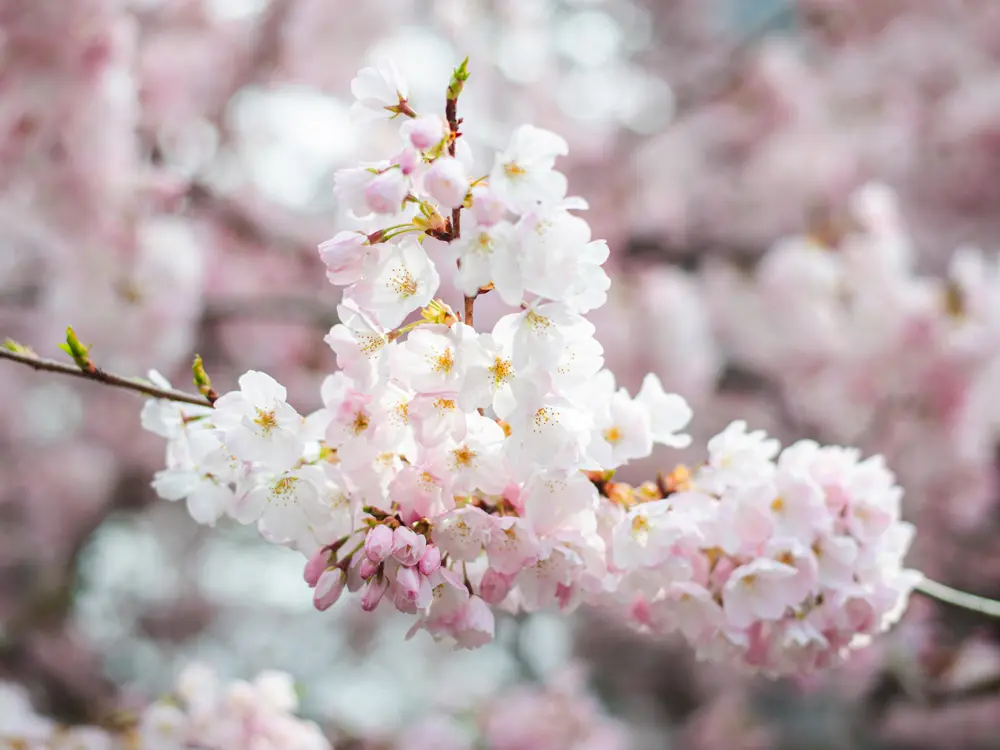
Cherry Blossoms: A Guide to Sakura Season
The arrival of cherry blossoms, or sakura as they are known in Japan, is a highly anticipated event worldwide. These delicate blooms symbolize renewal, beauty, and the fleeting nature of life. From their historical significance to the best ways to experience them, this guide will explore everything you need to know about cherry blossom season.
The ephemeral beauty of cherry blossoms has captivated people for centuries. Their short-lived bloom – typically lasting only a week or two – serves as a poignant reminder to appreciate the present moment. This cultural significance is deeply rooted in Japanese tradition, but the appreciation for sakura has spread globally, drawing visitors from all corners of the world.
The History and Symbolism of Sakura
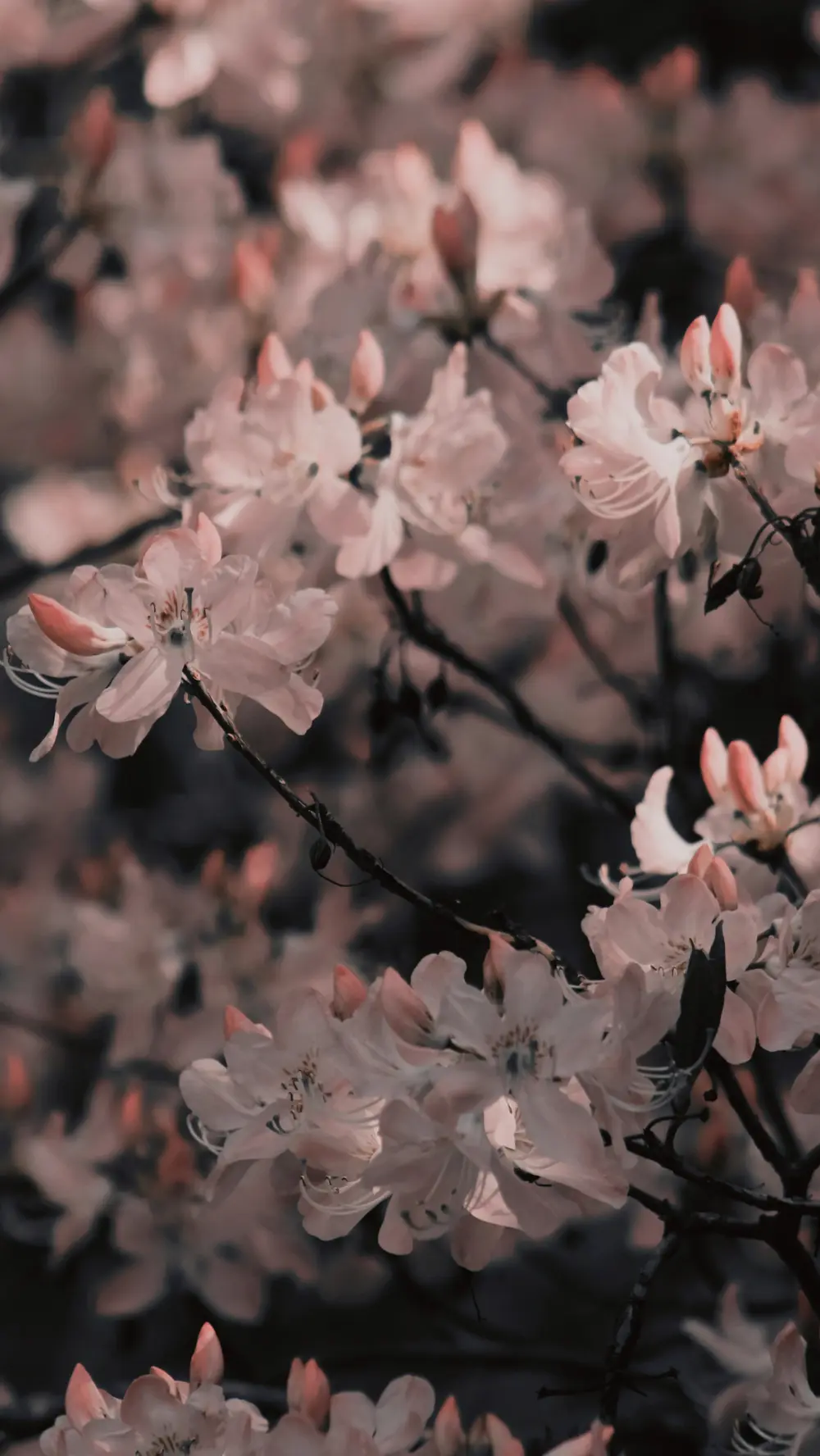
The history of cherry blossoms in Japan dates back over a thousand years. Initially, they were appreciated by the elite, becoming a symbol of the imperial court. During the Heian period (794-1185), sakura viewing, known as hanami, became a popular pastime among the aristocracy. Over time, hanami spread to all levels of society.
The symbolism of cherry blossoms is multifaceted. Beyond their association with beauty and renewal, they also represent mortality and the impermanence of life. This concept is central to Buddhist philosophy, which has deeply influenced Japanese culture. The blossoms’ brief but spectacular display serves as a metaphor for the fleeting nature of existence.
Different Types of Cherry Blossom Trees
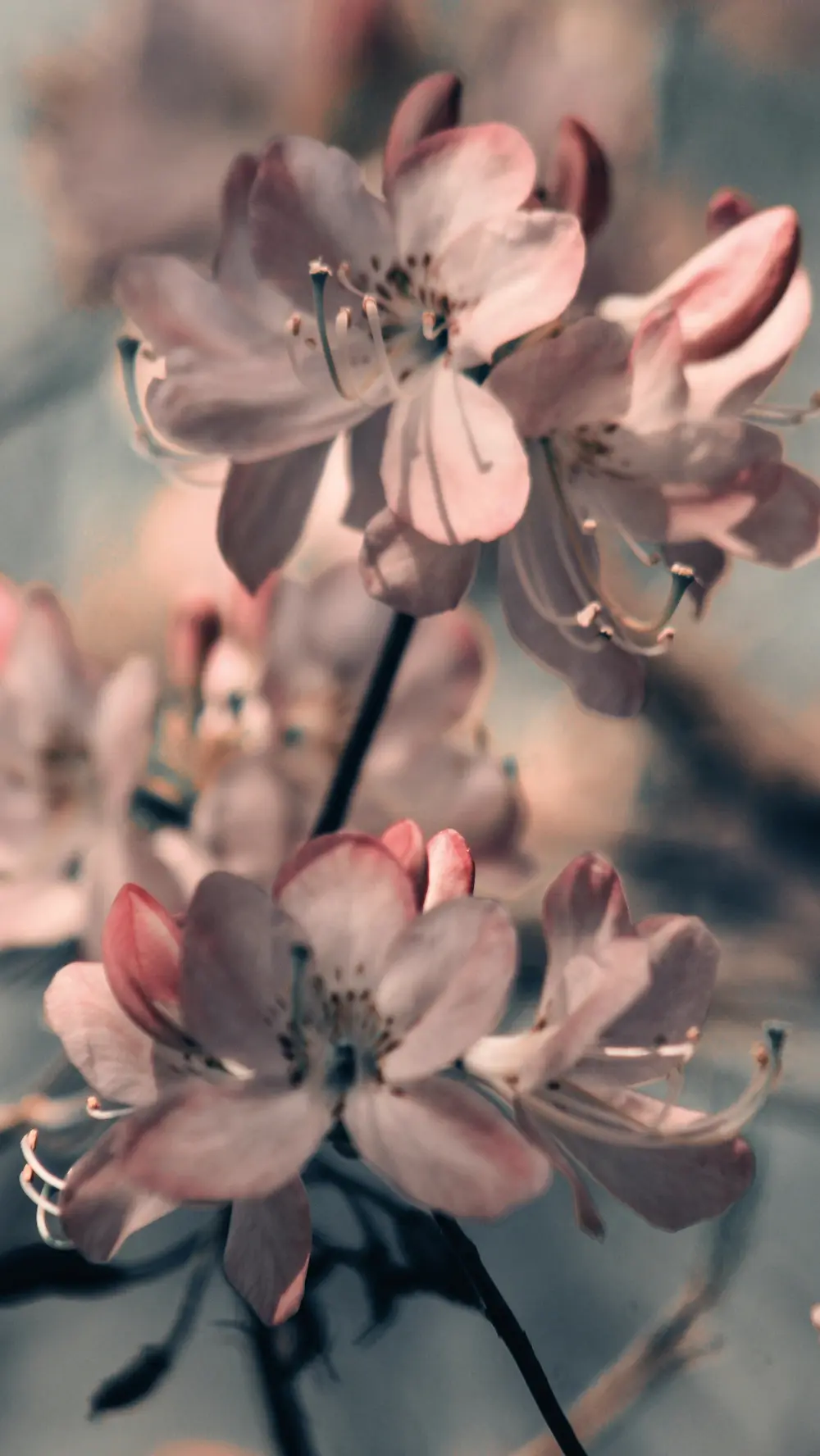
While many people think of cherry blossoms as a single type of flower, there are actually hundreds of different varieties. Each possesses unique characteristics in terms of color, shape, and bloom time. Some of the most popular types include:
- Somei Yoshino: The most common variety, known for its pale pink blossoms and abundant blooms.
- Shidarezakura (Weeping Cherry): Characterized by its cascading branches covered in delicate flowers.
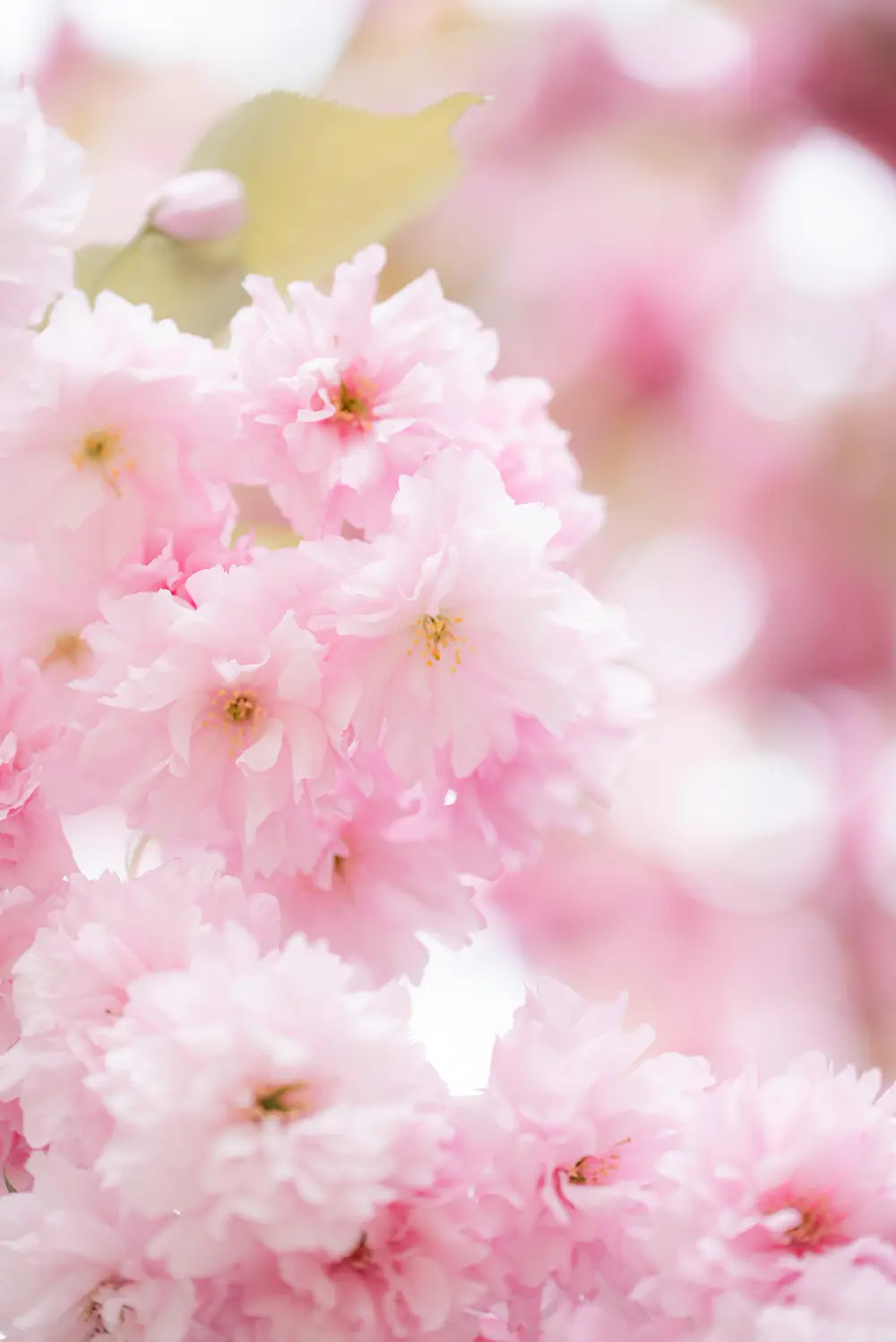
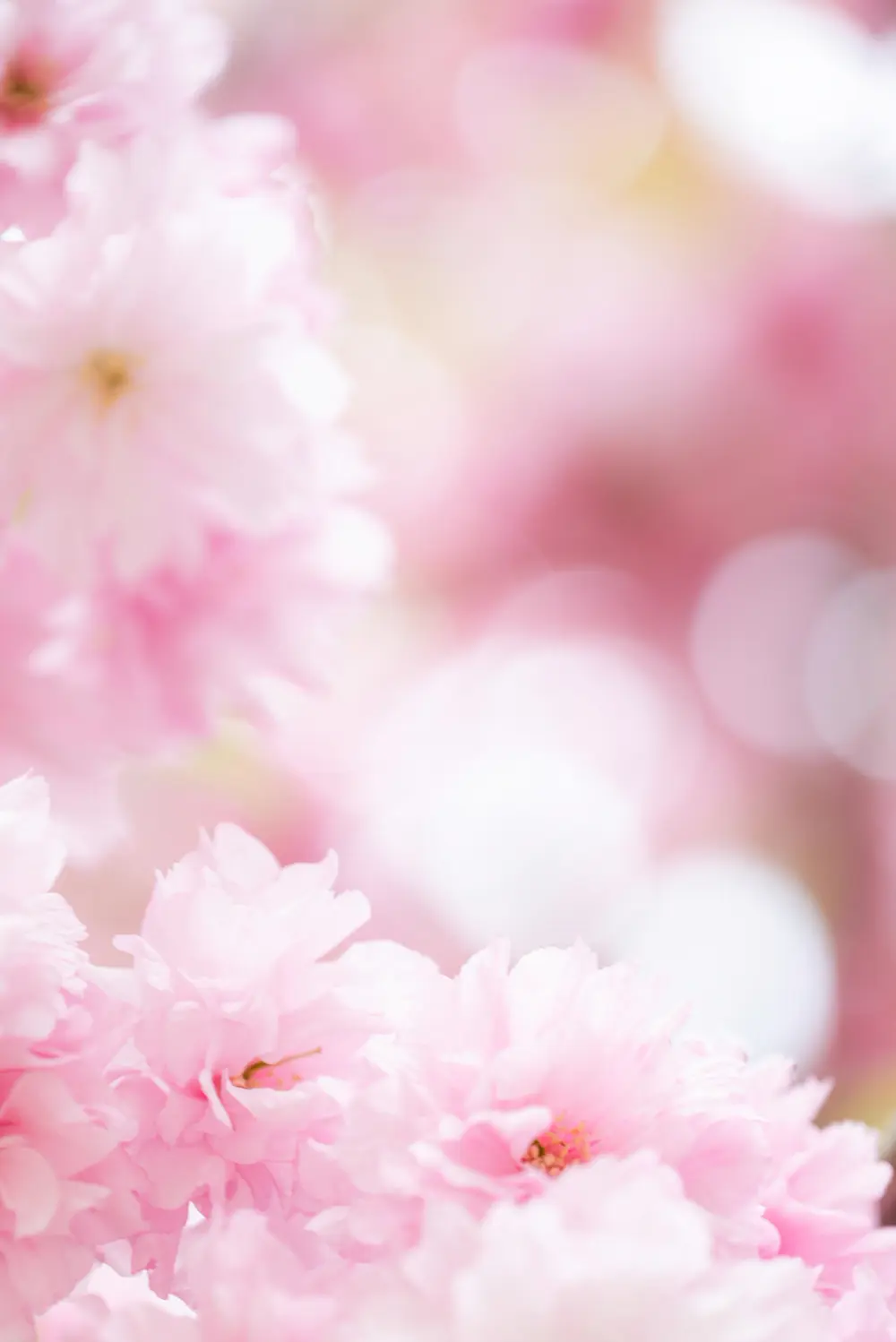
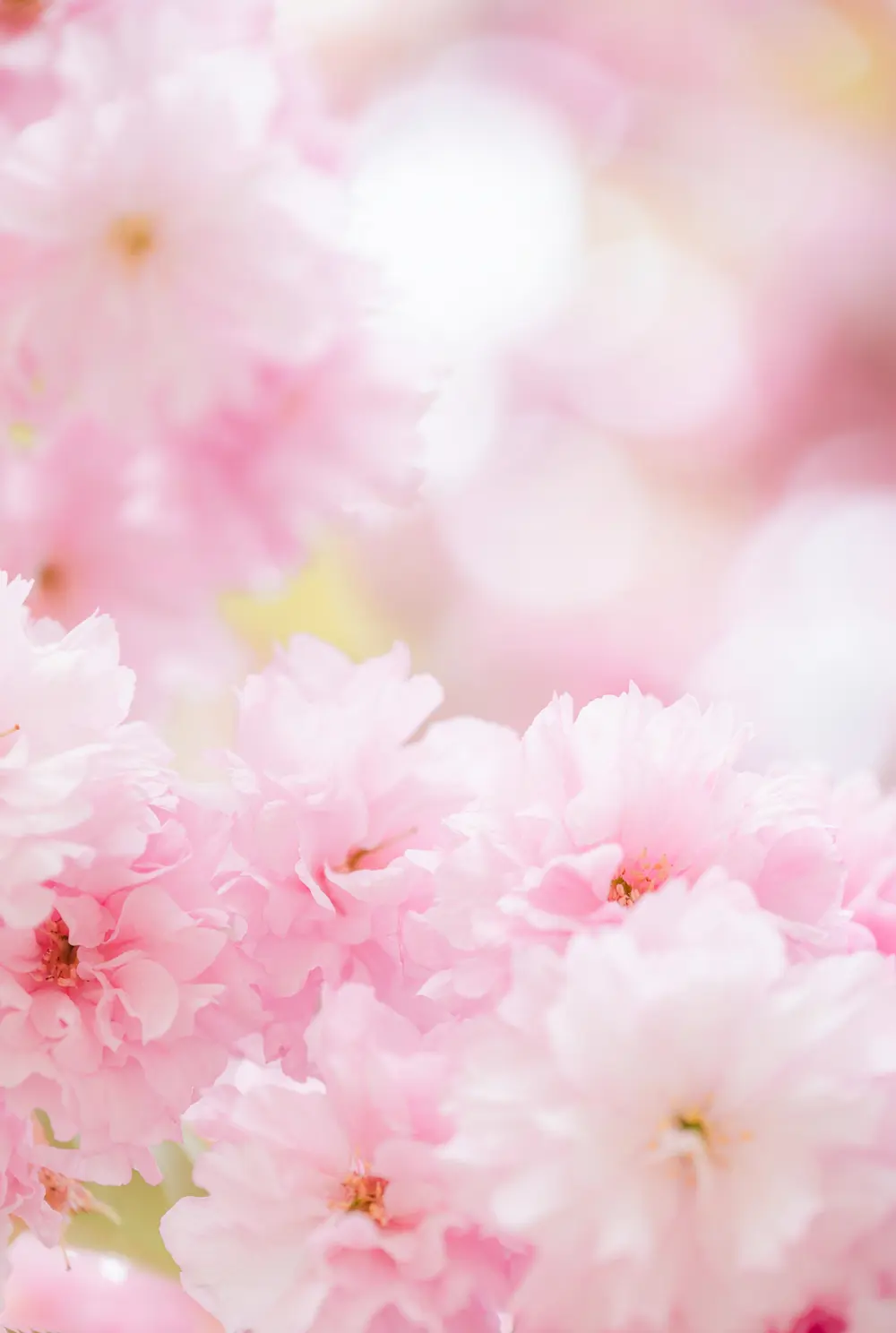
- Kanzan: A late-blooming variety with vibrant pink, double-layered blossoms.
- Yamazakura: A wild cherry tree found in mountainous regions, known for its simple, elegant blooms.
Understanding the different varieties can enhance your hanami experience, allowing you to appreciate the subtle nuances of each type. If you’re planning a trip specifically to see certain blossoms, researching bloom times for each variety is crucial.
Where to Experience Cherry Blossoms
Cherry blossoms can be enjoyed in various settings, from meticulously landscaped gardens to natural parks and along riverbanks. Some of the most famous locations for hanami include:
- Japan: Ueno Park (Tokyo), Shinjuku Gyoen National Garden (Tokyo), Philosopher’s Path (Kyoto), Hirosaki Castle Park (Aomori Prefecture).
- United States: Washington, D.C.’s Tidal Basin, Brooklyn Botanic Garden (New York), Branch Brook Park (New Jersey).
- Canada: High Park (Toronto), Vancouver Cherry Blossom Festival.
- Other Locations: Parks and gardens in Europe, Australia, and other parts of Asia.
Many cities host cherry blossom festivals, offering a range of activities such as traditional performances, food stalls, and cultural events. These festivals provide a vibrant and immersive way to experience the beauty of sakura. Planning your visit around these events can add an extra layer of enjoyment. You might also find local gardens hosting smaller, more intimate viewings.
Tips for Planning Your Hanami Experience
To make the most of your cherry blossom viewing experience, consider these tips:
- Check the Bloom Forecast: Bloom times vary each year depending on weather conditions. Stay updated with the latest forecasts to plan your trip accordingly.
- Go Early or Late: Popular viewing spots can get crowded, especially on weekends. Visiting early in the morning or later in the evening can help you avoid the crowds.
- Bring a Picnic Blanket: Hanami traditionally involves picnicking under the blossoms. Bring a blanket and enjoy a meal with friends and family.
- Respect the Trees: Avoid touching or climbing the trees, and refrain from picking the blossoms.
- Dress in Layers: Spring weather can be unpredictable. Dress in layers to stay comfortable throughout the day.
Remember that hanami is about appreciating the beauty of nature and enjoying the company of loved ones. Taking the time to simply sit and observe the blossoms can be a deeply rewarding experience. Consider bringing a camera to capture the fleeting beauty, but don’t forget to put it down and simply be present in the moment.
The Cultural Significance of Hanami
Hanami is more than just flower viewing; it’s a cultural practice deeply ingrained in Japanese society. It’s a time for people to come together, celebrate the arrival of spring, and reflect on the beauty and impermanence of life. The tradition often involves sharing food, drinks, and conversation under the blossoms.
In recent years, hanami has become increasingly popular internationally, with people around the world embracing the tradition of celebrating cherry blossoms. This global appreciation reflects a universal desire to connect with nature and find beauty in the fleeting moments of life. The practice of mindful observation, central to hanami, can be a valuable lesson in appreciating the present moment. You can even learn more about traditions surrounding the season.
Conclusion
Cherry blossom season is a truly magical time of year. Whether you’re experiencing it in Japan, the United States, or another part of the world, the beauty of sakura is sure to leave a lasting impression. By understanding the history, symbolism, and cultural significance of these delicate blooms, you can fully appreciate the wonder of this fleeting spectacle.
Frequently Asked Questions
What is the best time to see cherry blossoms?
The best time to see cherry blossoms varies depending on location and weather conditions. Generally, peak bloom occurs in late March to early April in Japan and Washington, D.C. Checking a bloom forecast specific to your desired location is highly recommended.
What does ‘hanami’ mean?
Hanami is the Japanese tradition of enjoying the transient beauty of flowers, particularly cherry blossoms. It literally translates to “flower viewing” and typically involves picnicking and socializing under the blossoms.
Are cherry blossoms edible?
While some parts of the cherry blossom tree are edible, such as the pickled blossoms (sakurazuke) and cherry blossom tea, it’s important to note that not all varieties are safe to consume. Only specially processed blossoms are considered safe for eating.
How long do cherry blossoms typically bloom for?
Cherry blossoms have a relatively short bloom period, typically lasting only about a week or two. This fleeting beauty is part of what makes them so special and symbolic. The exact duration depends on the weather, with warmer temperatures accelerating the bloom and shortening its lifespan.
What is the difference between Yoshino and Kanzan cherry blossoms?
Somei Yoshino cherry blossoms are known for their pale pink, single-layered petals and are the most common variety in Japan. Kanzan cherry blossoms, on the other hand, are a later-blooming variety with vibrant pink, double-layered petals. They also tend to be more resistant to rain.
Related posts:
New screens deserve new looks — the cherry-blossoms shelf keeps growing, so check back for the latest drops.
Save your favourites and share the rest — good wallpapers travel fast.
