
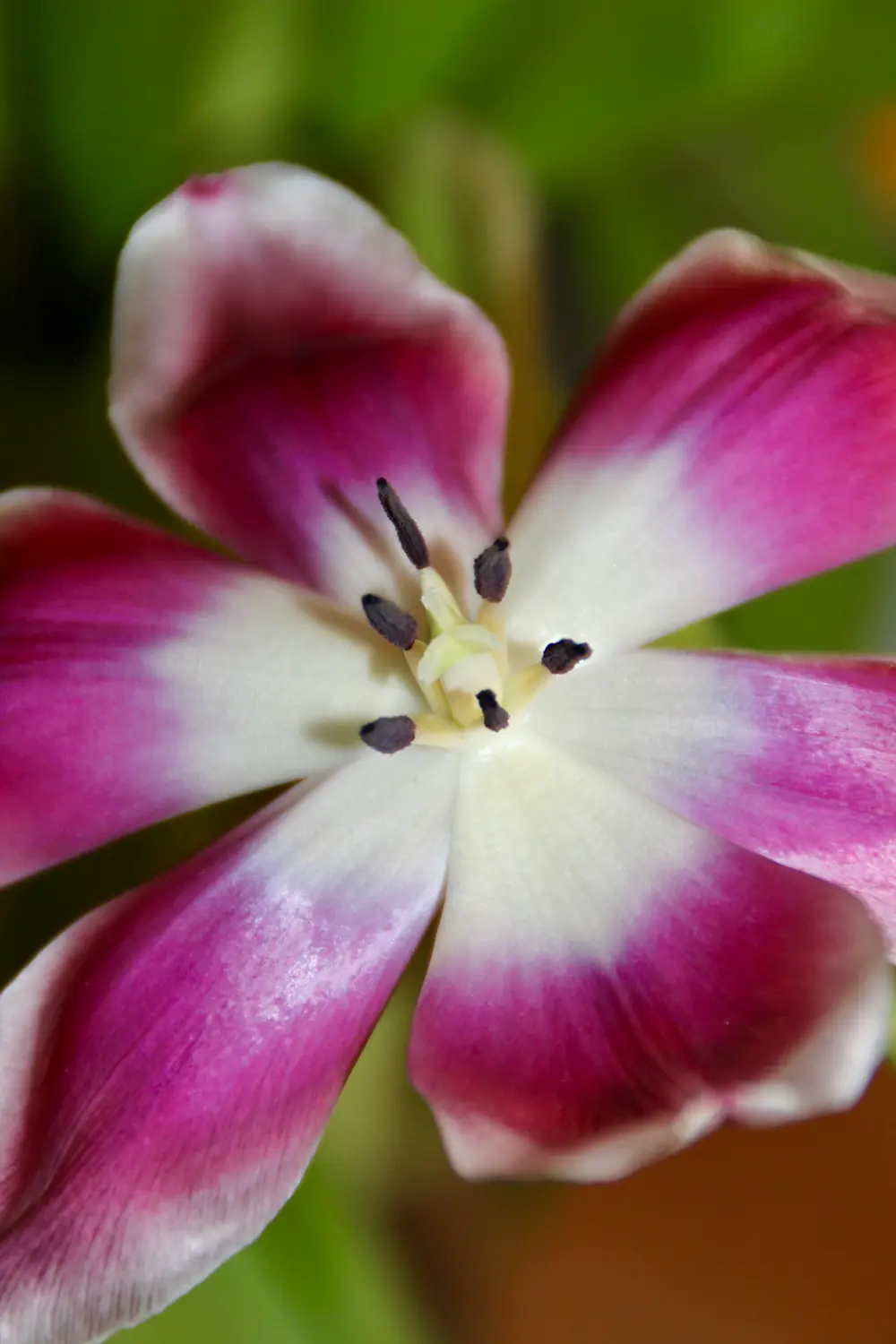
Pink Tulips: A Guide to Growing & Caring
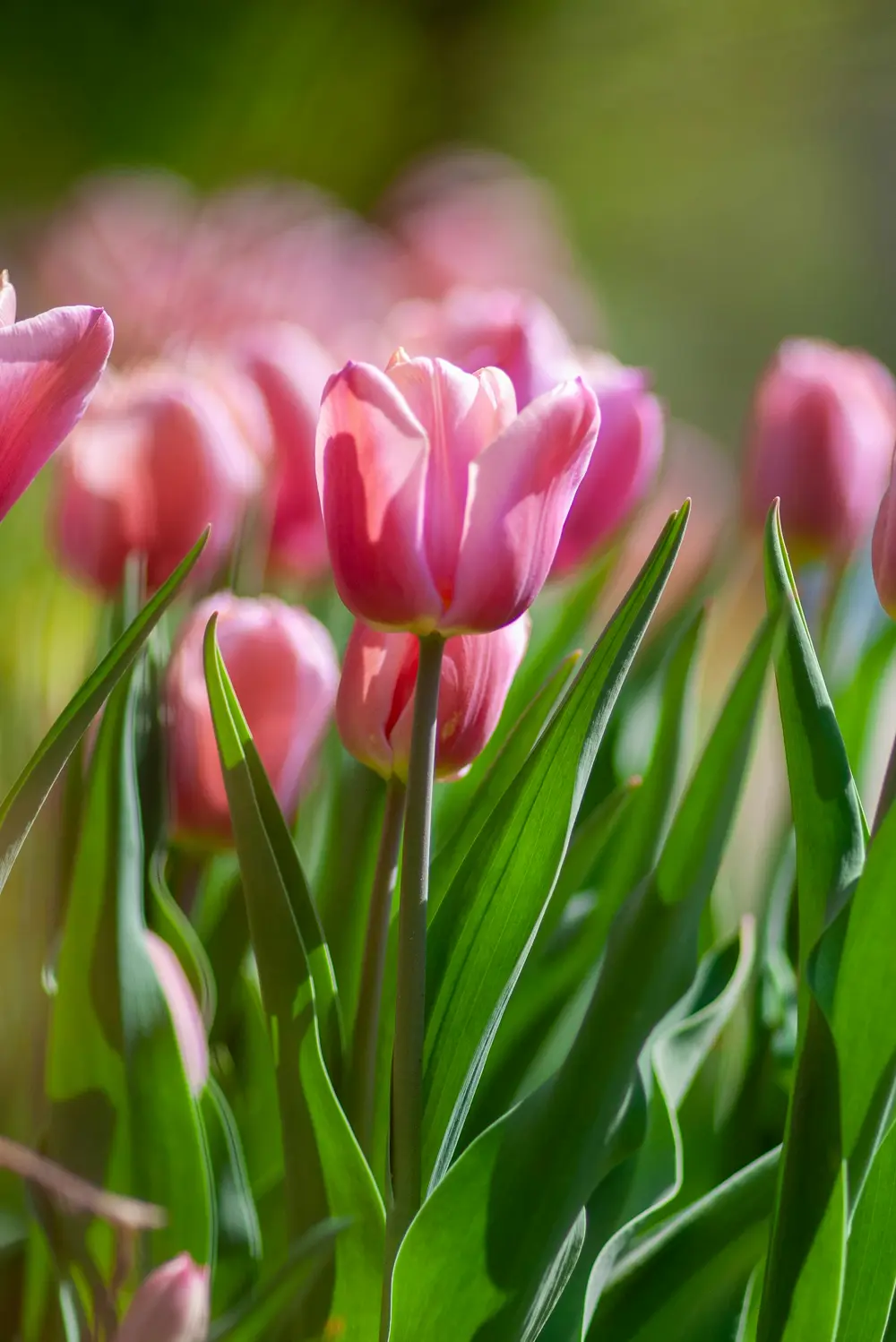
Pink tulips are a classic symbol of spring, bringing a touch of elegance and cheerfulness to gardens and homes alike. Their delicate petals and vibrant hues make them a beloved flower for many. But beyond their beauty, successfully growing and caring for pink tulips requires understanding their needs, from planting to post-bloom care. This guide will walk you through everything you need to know to cultivate these stunning blooms.
Whether you’re a seasoned gardener or just starting out, growing pink tulips can be a rewarding experience. They aren’t overly demanding, but paying attention to their specific requirements will ensure a spectacular display each spring. Let’s delve into the details of planting, nurturing, and enjoying these beautiful flowers.
Choosing Your Pink Tulip Varieties
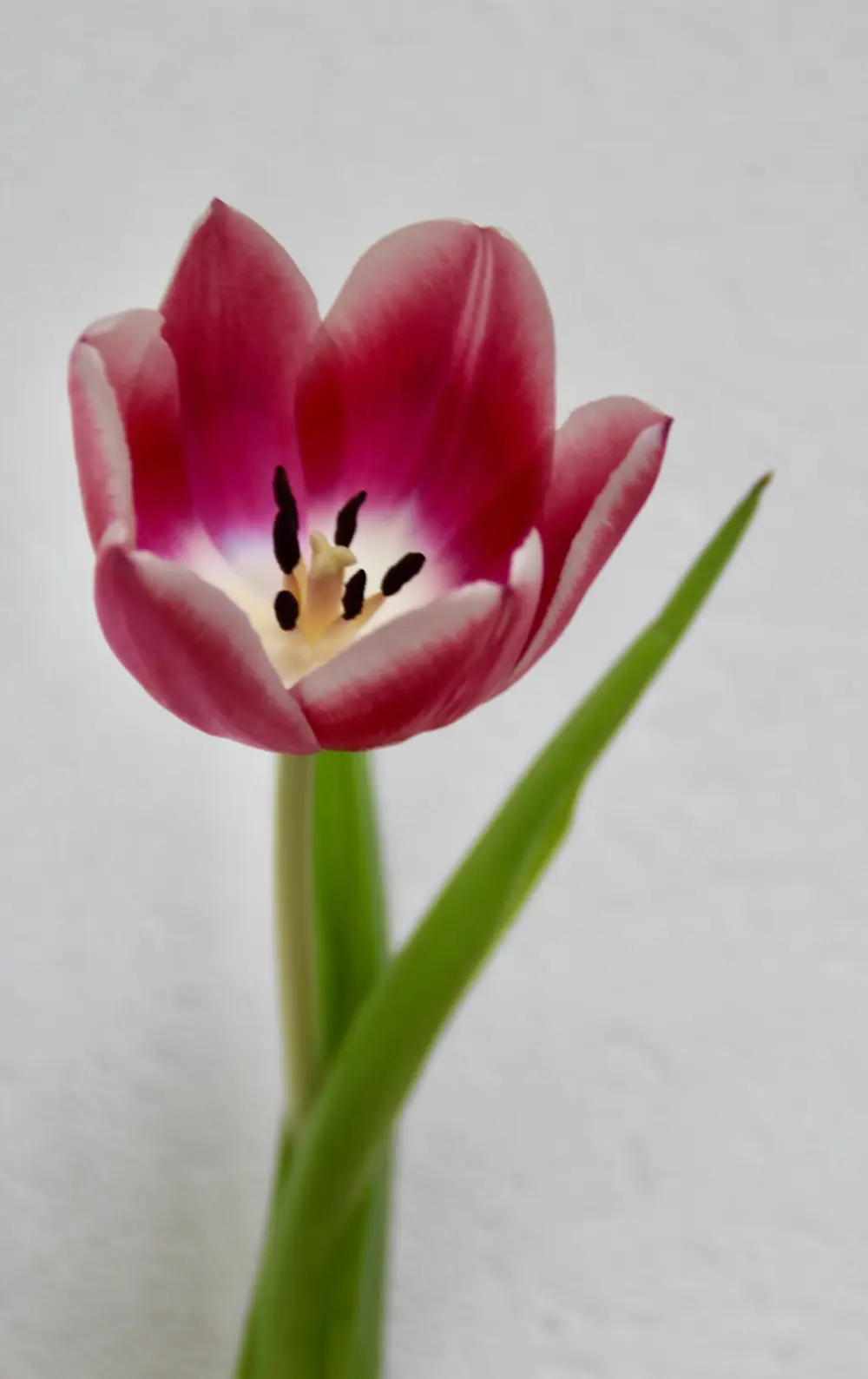
The world of pink tulips is surprisingly diverse! There are numerous varieties, each with its unique shade, shape, and bloom time. Some popular choices include:
- ‘Pink Impression’: A classic, soft pink tulip with a long-lasting bloom.
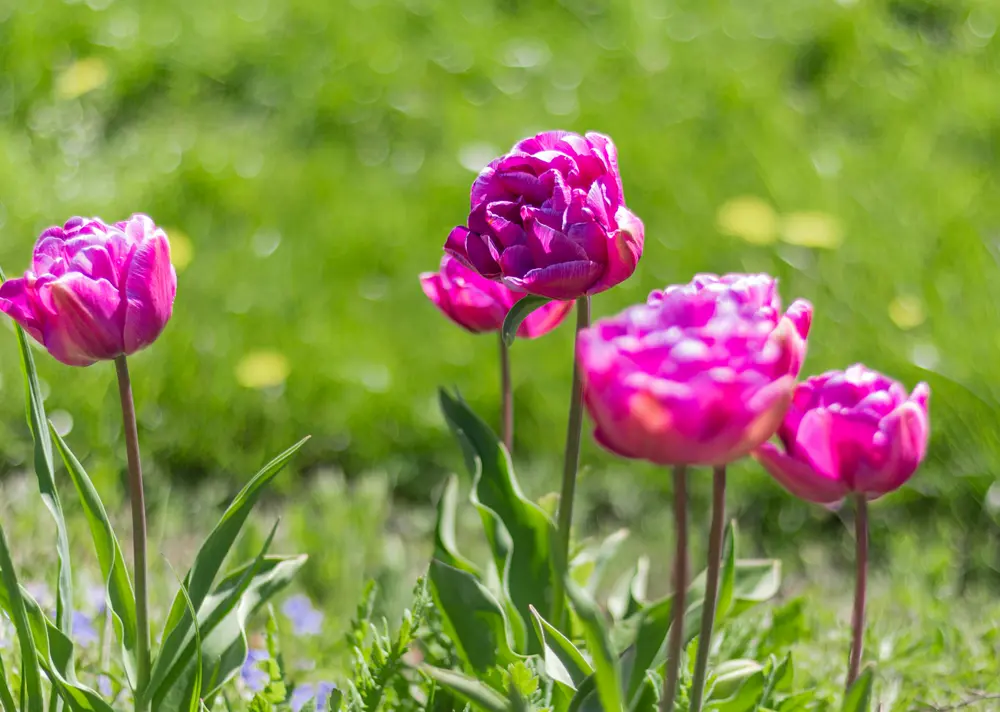
- ‘Angelique’: A double, rose-pink tulip known for its ruffled petals.
- ‘Pink Paris’: A vibrant, almost neon pink tulip that adds a bold splash of color.
- ‘Blushing Lady’: A delicate, pale pink tulip with a subtle fragrance.
When selecting your bulbs, look for firm, plump bulbs that are free from blemishes or mold. Larger bulbs generally produce larger, more impressive flowers.
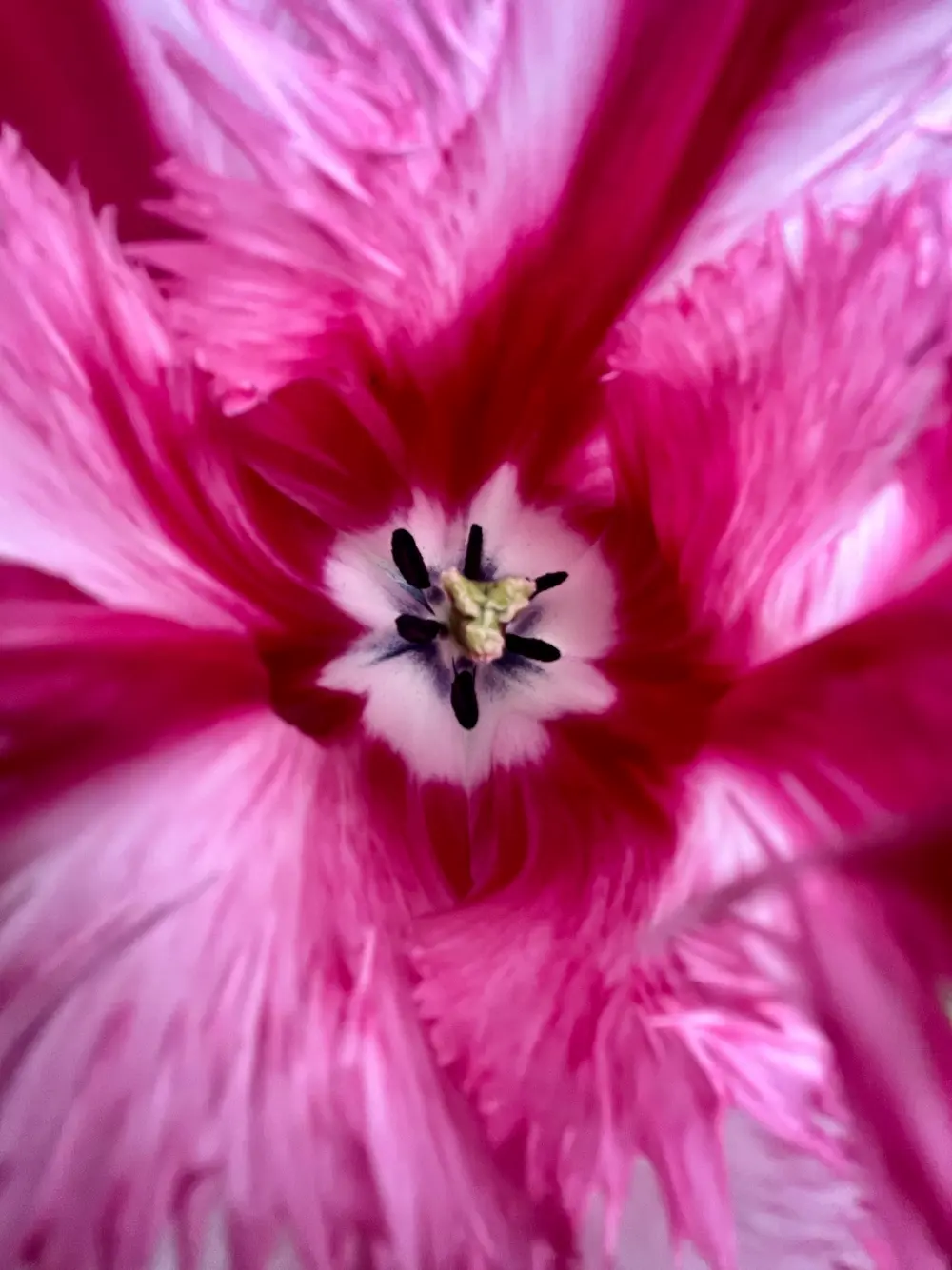
Planting Pink Tulip Bulbs
The best time to plant tulip bulbs is in the fall, typically between September and December, when the soil temperature has cooled down. This allows the bulbs to develop roots before the ground freezes. Here’s a step-by-step guide to planting:
- Choose a Location: Pink tulips thrive in well-drained soil and full sun (at least six hours of direct sunlight per day).
- Prepare the Soil: Dig a hole about 6-8 inches deep. Amend the soil with compost or well-rotted manure to improve drainage and fertility.
- Plant the Bulbs: Place the bulbs in the hole with the pointed end facing up. Space the bulbs about 4-6 inches apart.
- Cover and Water: Cover the bulbs with soil and gently water the area.
Consider planting in groups for a more impactful display. You can also interplant tulips with other fall-blooming flowers for added color and interest. Understanding soil composition is crucial for successful growth.
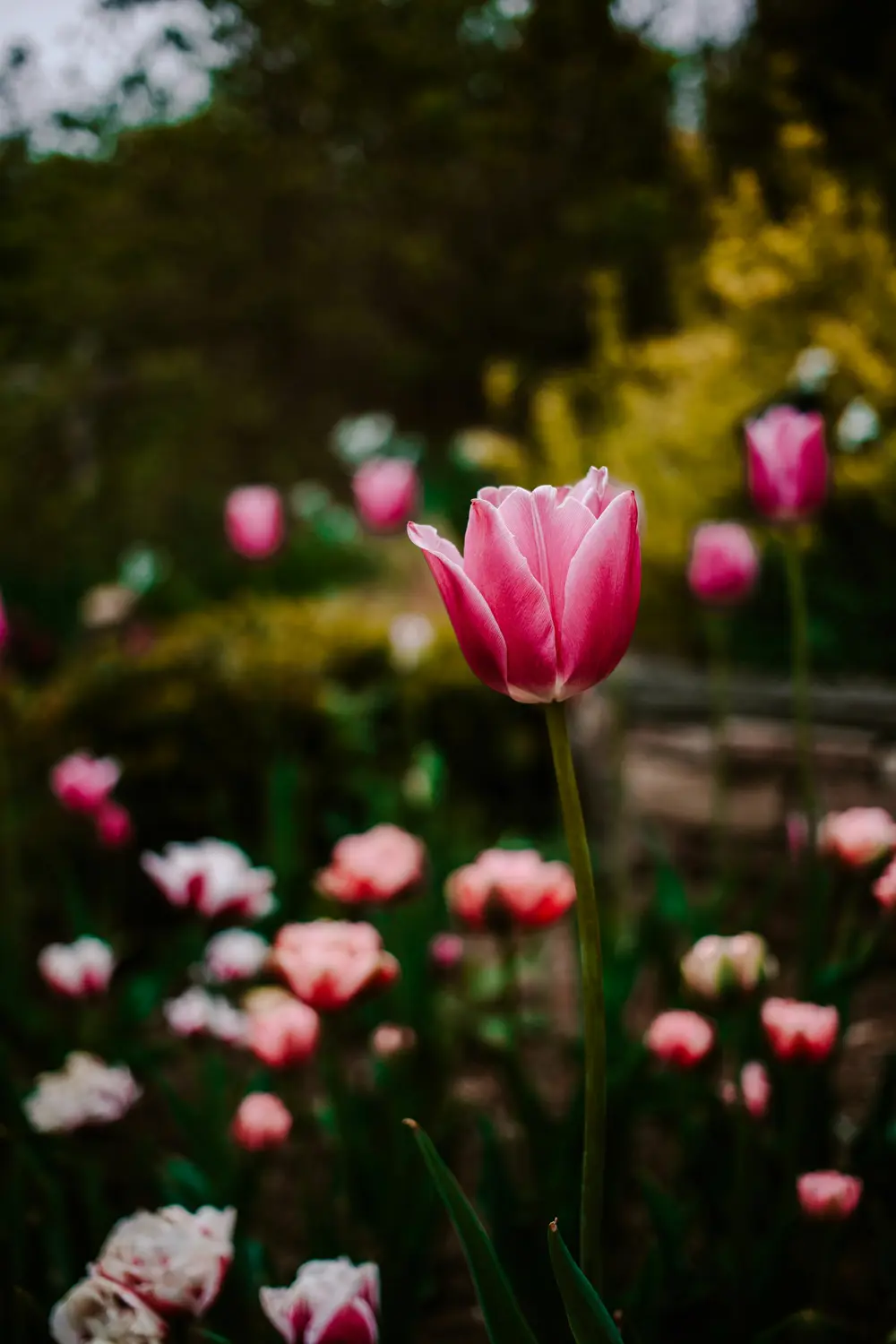
Caring for Pink Tulips During Growth
Once planted, pink tulips require minimal care during the growing season. However, a few key practices can help ensure healthy growth and abundant blooms:
- Watering: Water regularly during dry spells, especially in the spring when the plants are actively growing.
- Fertilizing: Apply a balanced fertilizer in the fall when planting and again in the spring as the shoots emerge.
- Deadheading: Remove the spent flower heads after blooming to prevent the plant from putting energy into seed production. This encourages the bulb to store energy for next year’s blooms.
Post-Bloom Care and Bulb Storage
After the flowers fade, the foliage will continue to grow and photosynthesize, providing energy to the bulb for the following year. It’s important to allow the foliage to die back naturally before removing it. This process can take several weeks.
Once the foliage has completely turned yellow and brown, you can remove it. Some gardeners choose to dig up the bulbs after the foliage has died back, especially in areas with hot summers or poorly drained soil. If you do this, store the bulbs in a cool, dry, dark place until fall, when you can replant them. Proper storage is key to bulb health.
Dealing with Common Problems
Like all plants, pink tulips can be susceptible to certain problems. Here are a few common issues and how to address them:
- Bulb Rot: This is often caused by poorly drained soil. Ensure your soil is well-draining and avoid overwatering.
- Aphids: These small insects can suck the sap from the plants. Control them with insecticidal soap or a strong spray of water.
- Fire: A fungal disease that causes brown spots on the leaves and flowers. Remove infected foliage and improve air circulation.
Enjoying Your Pink Tulip Display
Pink tulips are not only beautiful in the garden but also make stunning cut flowers. To prolong their vase life, cut the stems at an angle and place them in fresh water with flower food. Change the water every day or two.
With a little care and attention, you can enjoy a breathtaking display of pink tulips year after year. Their vibrant color and elegant form will brighten up any space and bring the joy of spring into your life.
Frequently Asked Questions
1. Why aren’t my tulips blooming?
Several factors can contribute to a lack of blooms. Insufficient sunlight, poor soil quality, or bulbs that are too small can all be culprits. Also, if you didn’t allow the foliage to die back naturally after flowering, the bulbs may not have stored enough energy for the next season. Ensure they receive at least 6 hours of sunlight and are planted in well-draining soil.
2. Can I grow pink tulips in pots?
Yes, pink tulips can be successfully grown in pots. Choose a pot with drainage holes and use a well-draining potting mix. Plant several bulbs close together for a fuller look. Remember to water regularly and fertilize as needed.
3. How long do pink tulips typically last?
The bloom time for pink tulips varies depending on the variety and the weather conditions, but generally, they last for about 1-2 weeks. Deadheading the spent flowers can help prolong the overall display.
4. What is the best way to protect tulips from deer?
Deer love to snack on tulips! To protect them, you can use deer repellent sprays, surround the plants with netting, or plant them near deer-resistant plants. Some gardeners also suggest planting bulbs with a strong scent, like daffodils, to deter deer.
5. Should I fertilize tulips every year?
Yes, fertilizing tulips annually can help promote healthy growth and abundant blooms. Apply a balanced fertilizer in the fall when planting and again in the spring as the shoots emerge. Avoid over-fertilizing, as this can damage the bulbs.
Related posts:
Every garden-guide page is another mood for your screen. Keep exploring the related sets below this one.
Bookmark this collection so your next wallpaper swap is one click away.
