
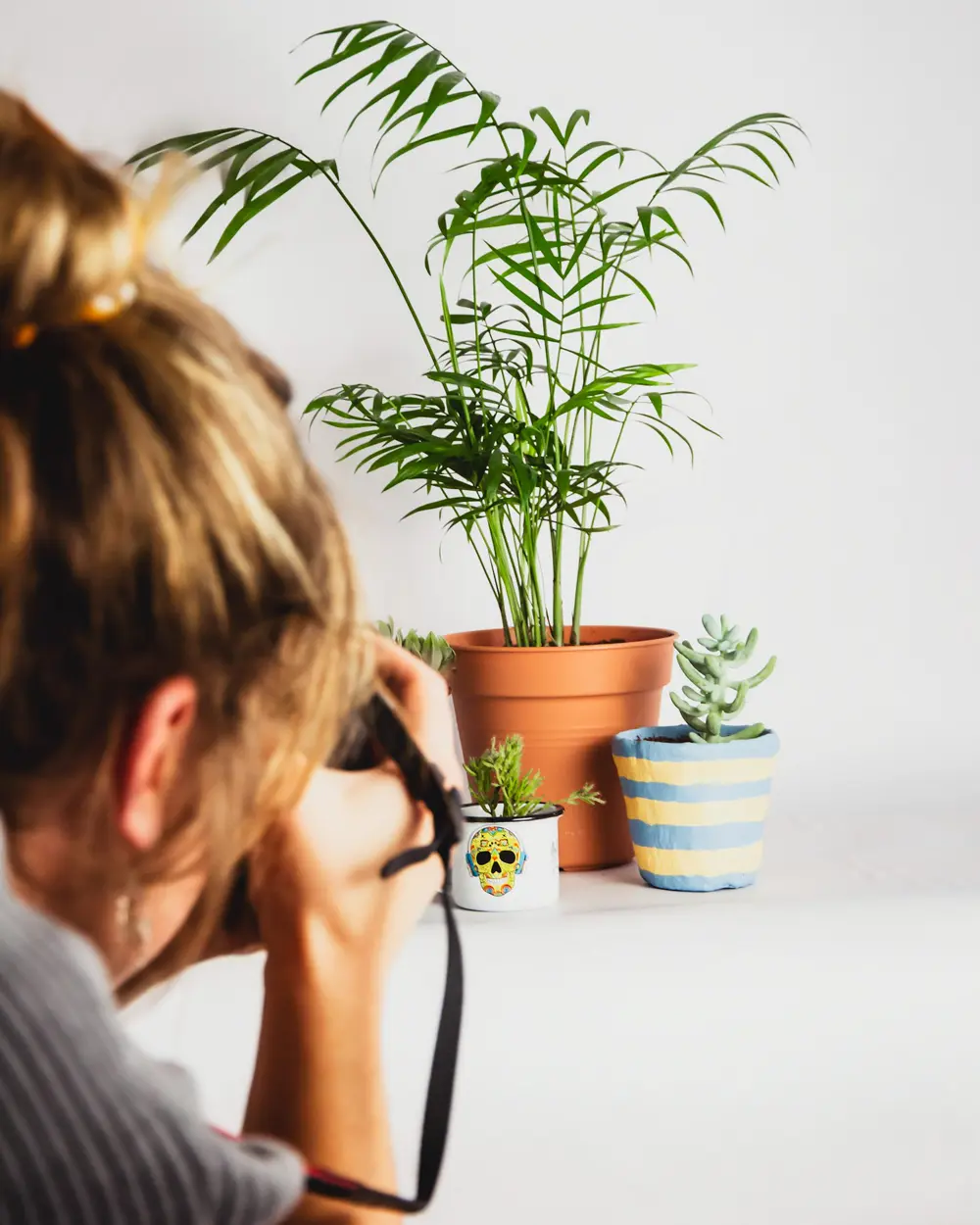
Indoor Plants: A Guide to Thriving Houseplants
Bringing the outdoors in with houseplants has become increasingly popular, and for good reason. Indoor plants not only enhance the aesthetic appeal of a space but also offer a multitude of benefits, from improving air quality to boosting mood and reducing stress. However, successfully nurturing houseplants requires understanding their needs and providing the right care. This guide will explore the world of indoor plants, covering everything from selecting the right species to troubleshooting common problems.
The appeal of houseplants extends beyond mere decoration. Studies have shown that interacting with plants can lower blood pressure and improve cognitive function. They can also add a sense of tranquility and connection to nature, especially beneficial in urban environments. Whether you’re a seasoned plant parent or a complete beginner, there’s a houseplant out there to suit your lifestyle and skill level.

Choosing the Right Houseplant
Selecting the appropriate houseplant depends on several factors, including your experience level, the amount of light available in your home, and your personal preferences. Some plants are incredibly forgiving and require minimal care, while others demand more attention.
- Light Requirements: Different plants thrive in different light conditions. Some, like snake plants and ZZ plants, can tolerate low light, while others, such as succulents and cacti, need bright, direct sunlight.
- Watering Needs: Overwatering is a common mistake among new plant owners. Research the specific watering needs of each plant and avoid letting them sit in standing water.
- Humidity Levels: Some plants, like ferns and orchids, prefer high humidity, while others are more adaptable to drier conditions.
- Space Considerations: Consider the mature size of the plant and ensure you have enough space for it to grow.
Popular Houseplant Varieties
Here’s a look at some popular and relatively easy-to-care-for houseplants:
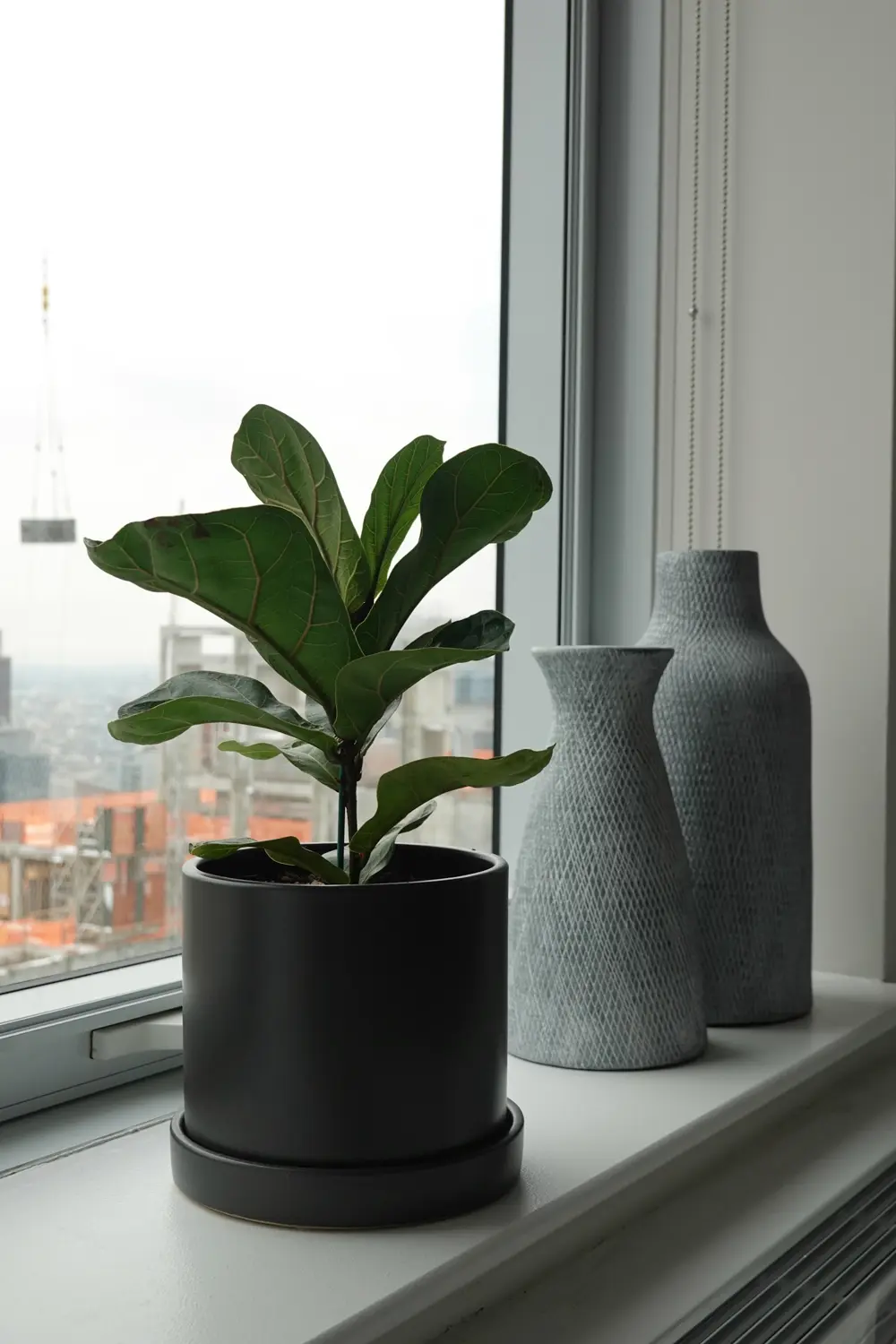
- Snake Plant (Sansevieria trifasciata): Known for its air-purifying qualities and tolerance of neglect.
- Spider Plant (Chlorophytum comosum): Easy to propagate and produces adorable “spiderettes.”
- Pothos (Epipremnum aureum): A versatile trailing plant that can thrive in various conditions.
- ZZ Plant (Zamioculcas zamiifolia): Extremely drought-tolerant and can survive in low light.
- Peace Lily (Spathiphyllum): Beautiful flowering plant that prefers shade and moist soil.
- Monstera Deliciosa: Iconic split-leaf plant that adds a tropical vibe to any space.
Essential Plant Care Tips
Providing the right care is crucial for keeping your houseplants healthy and thriving. Here are some essential tips:
- Watering: Check the soil moisture before watering. Allow the top inch or two to dry out before watering thoroughly.
- Fertilizing: Feed your plants with a balanced liquid fertilizer during the growing season (spring and summer).
- Repotting: Repot your plants when they become root-bound, typically every 1-2 years.
- Pruning: Prune away dead or yellowing leaves to encourage new growth.
- Pest Control: Regularly inspect your plants for pests and treat any infestations promptly.
Sometimes, despite our best efforts, plants can encounter problems. Understanding common issues can help you address them effectively. For example, yellowing leaves can indicate overwatering, underwatering, or nutrient deficiencies. Brown leaf tips often suggest low humidity or inconsistent watering. If you’re unsure about a problem, consider consulting a gardening resource or a local nursery.
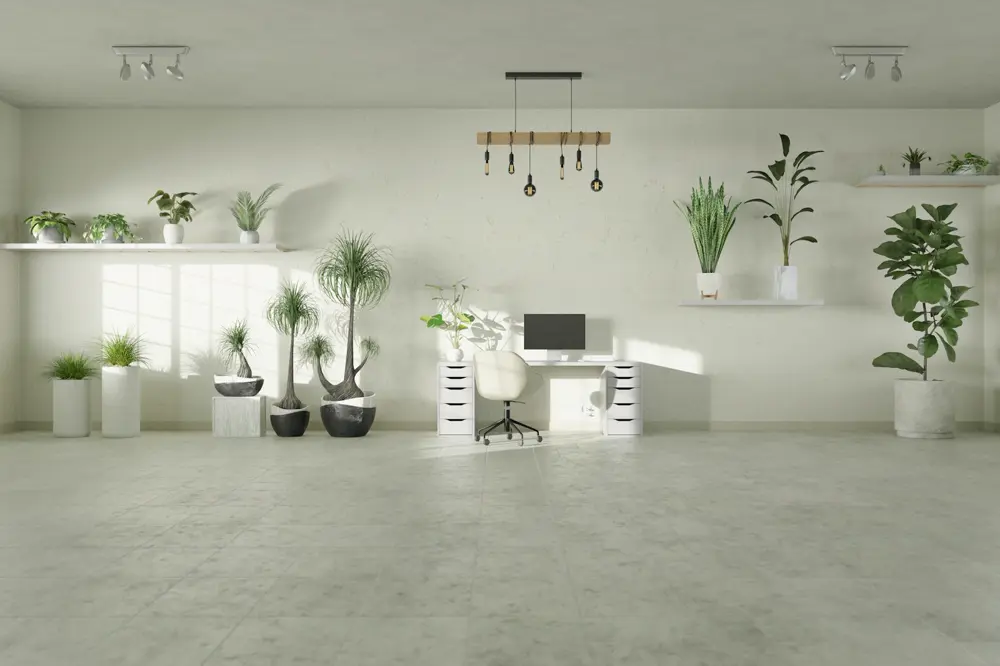
Creating the Ideal Environment
Beyond basic care, creating the ideal environment can significantly impact your plants’ health. Consider these factors:
- Temperature: Most houseplants prefer temperatures between 65-75°F (18-24°C).
- Humidity: Increase humidity by grouping plants together, using a humidifier, or placing plants on a pebble tray filled with water.
- Air Circulation: Good air circulation helps prevent fungal diseases.
- Potting Mix: Use a well-draining potting mix specifically formulated for houseplants.
Troubleshooting Common Problems
Even with diligent care, houseplants can sometimes encounter issues. Here are a few common problems and their solutions:
- Root Rot: Caused by overwatering. Repot the plant in fresh, well-draining soil and reduce watering frequency.
- Pest Infestations: Treat with insecticidal soap or neem oil.
- Leaf Spot: Often caused by fungal diseases. Improve air circulation and remove affected leaves.
- Nutrient Deficiencies: Fertilize with a balanced liquid fertilizer.
Conclusion
Incorporating houseplants into your home is a rewarding experience that offers numerous benefits. By understanding their needs and providing the right care, you can create a thriving indoor oasis. Remember to research the specific requirements of each plant and adjust your care routine accordingly. With a little patience and attention, you can enjoy the beauty and tranquility that houseplants bring to your living space. Don’t be afraid to experiment and learn from your experiences – every plant parent has faced challenges along the way!
Frequently Asked Questions
What’s the best houseplant for a beginner?
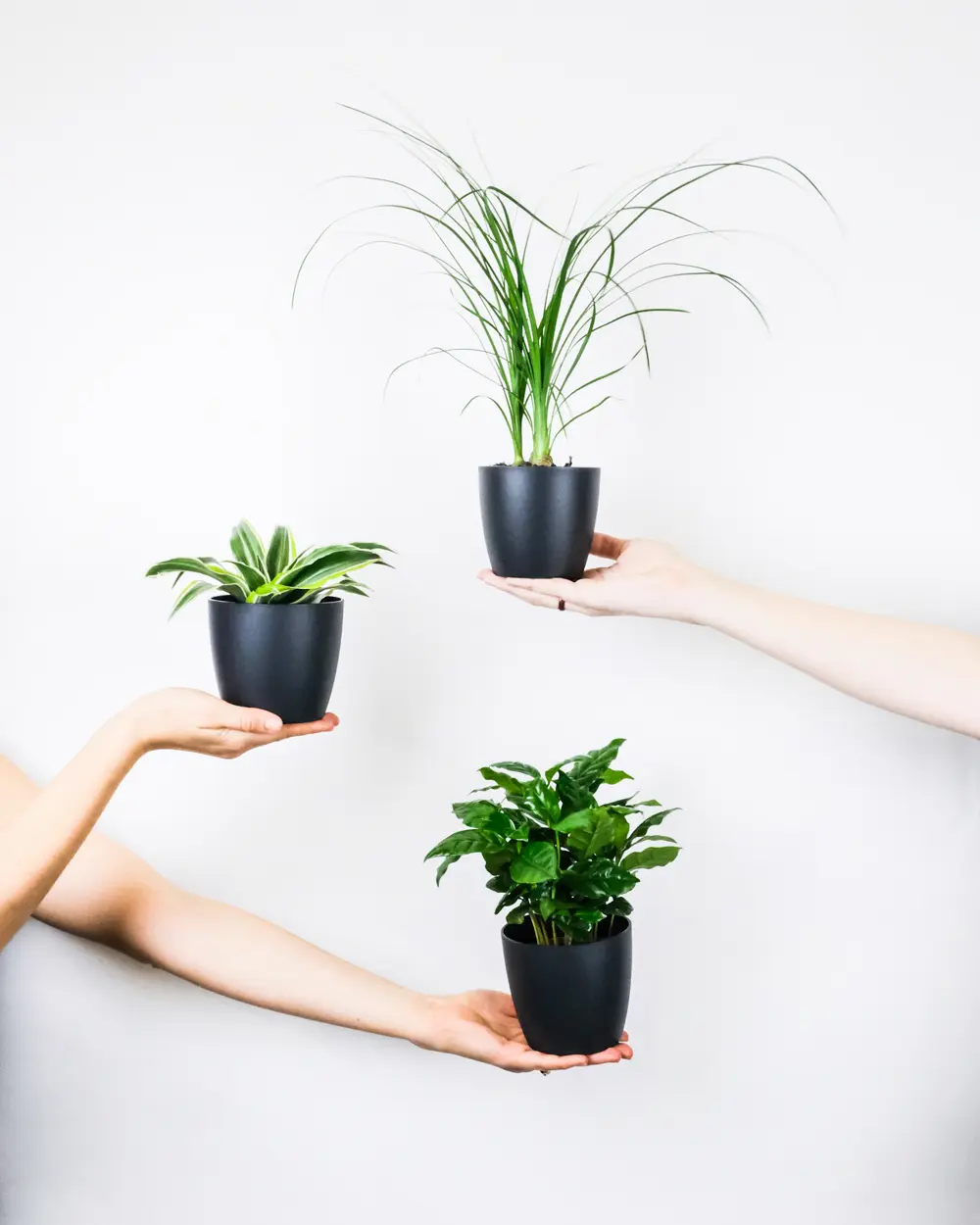
Snake plants and ZZ plants are excellent choices for beginners. They are incredibly tolerant of neglect and can thrive in low light conditions. They require minimal watering and are relatively pest-resistant, making them ideal for those new to plant care.
How often should I water my houseplants?
Watering frequency varies depending on the plant species, the size of the pot, and the environmental conditions. Generally, it’s best to check the soil moisture before watering. Allow the top inch or two of soil to dry out before watering thoroughly. Avoid overwatering, as this can lead to root rot.
My plant’s leaves are turning yellow. What could be the problem?
Yellowing leaves can indicate several issues, including overwatering, underwatering, nutrient deficiencies, or pest infestations. Examine the soil moisture, check for pests, and consider fertilizing the plant. If the problem persists, research the specific needs of your plant species.
How can I increase humidity for my houseplants?
You can increase humidity by grouping plants together, using a humidifier, or placing plants on a pebble tray filled with water. Misting plants can also temporarily increase humidity, but it’s not a long-term solution. Consider plants that naturally prefer higher humidity if you live in a dry climate.
Can houseplants really improve air quality?
Yes, houseplants can contribute to improved air quality by absorbing carbon dioxide and releasing oxygen. Some plants are particularly effective at removing common indoor pollutants, such as formaldehyde and benzene. While the effect may not be dramatic, it’s a welcome benefit of having plants in your home.
Plenty more backgrounds are waiting in the related collections below — keep browsing until one sticks.
Know someone whose screen needs a refresh? Pass this link along.
