
In the modern era of digital consumption, our screens are the primary windows through which we interact with the world. Whether it is a high-end smartphone, a professional workstation, or a home entertainment system, the visual environment we cultivate significantly impacts our mood and productivity. One of the most enduring and sophisticated trends in digital personalization is the dark abstract wallpaper design. This aesthetic goes beyond mere preference; it is a calculated blend of color theory, psychological comfort, and technical optimization.
In This Article
- The Psychology of Dark Abstract Aesthetics
- Popular Styles and Patterns in Dark Design
- Technical Benefits: OLED and Battery Efficiency
- Composition Principles for Effective Abstract Art
- How to Use Generative AI for Custom Wallpapers
- Frequently Asked Questions
The Psychology of Dark Abstract Aesthetics
Humans have an innate fascination with the interplay between light and shadow. In the context of a dark abstract wallpaper design, the use of deep tones—such as obsidian, charcoal, navy, and forest green—creates a sense of mystery and calm. Unlike bright, high-energy wallpapers that can cause visual fatigue, dark aesthetics provide a soothing backdrop that allows the user to focus on their primary tasks without distraction.
By incorporating minimalist design principles, these wallpapers reduce cognitive load. When an abstract pattern is not overly complex, the brain does not have to work hard to process the visual information. This makes it an ideal choice for professional environments where concentration is paramount. Furthermore, the sense of ‘depth’ created by layered shadows can provide a feeling of sophistication and luxury, turning a standard device into a piece of high-end digital art.
Popular Styles and Patterns in Dark Design
Not all dark wallpapers are created equal. The versatility of the abstract genre allows for a wide spectrum of visual expressions. Depending on your personal brand or mood, you might gravitate toward several distinct categories.
1. Geometric Minimalism
This style relies on sharp lines, polygons, and mathematical precision. Imagine thin, glowing gold lines cutting through a matte black background. These designs are perfect for users who appreciate structure, order, and a modern, tech-forward look. The contrast between mathematical geometry and the void of the dark background creates a striking visual impact.
2. Fluid and Organic Textures
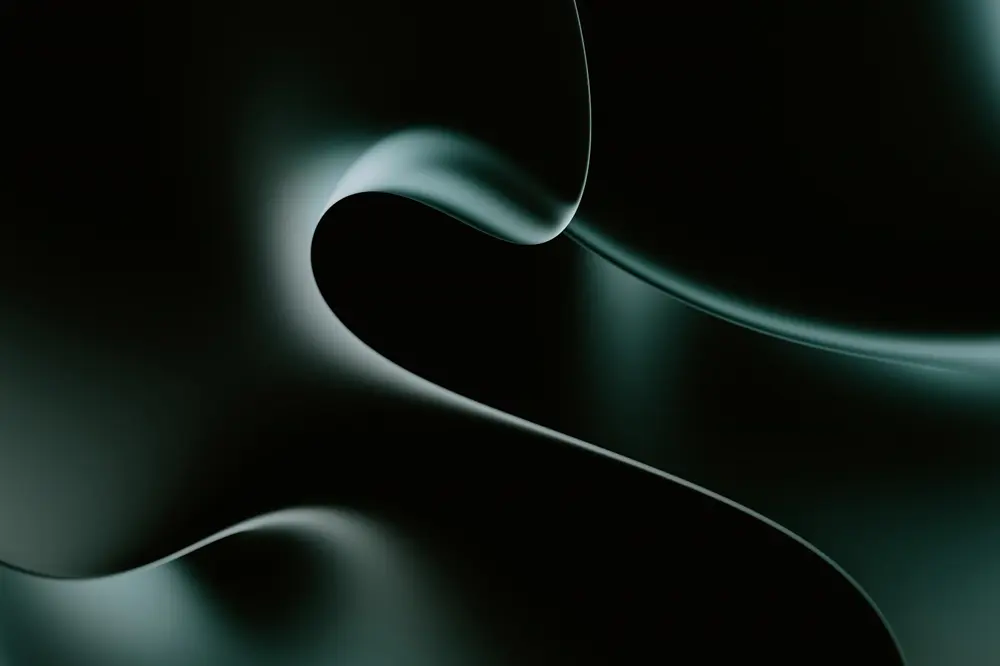
Contrasting the rigidity of geometry, fluid abstract designs mimic the movements of smoke, liquid marble, or swirling ink. These patterns are often characterized by soft gradients and seamless transitions. Utilizing digital art techniques, artists can create a sense of motion that feels alive, yet remains tranquil due to the muted color palette.
3. Cyberpunk and Neon Infusion
For those who want a bit more energy, the ‘dark synthwave’ or ‘cyberpunk’ aesthetic is a popular choice. Here, the dark background acts as a canvas for high-contrast neon accents—electric blues, vibrant purples, and hot pinks. This style mimics the aesthetic of a futuristic cityscape at night, providing a high-energy, immersive experience.
4. Grainy and Textured Noir
This approach focuses on tactile sensation. By adding digital noise, film grain, or paper textures to a dark composition, the wallpaper gains a vintage or ‘analog’ feel. It moves away from the sterile perfection of modern digital screens and embraces a more organic, imperfect beauty that feels grounded and authentic.
Technical Benefits: OLED and Battery Efficiency
Beyond the visual appeal, there is a significant functional advantage to choosing a dark abstract wallpaper design, particularly if you own a device with an OLED (Organic Light Emitting Diode) or AMOLED display. Unlike traditional LCD screens that use a backlight to illuminate the entire panel, OLED pixels are self-emissive.
This means that to display ‘true black,’ an OLED screen simply turns the pixel off entirely. There is no light being emitted from those areas. This leads to two major benefits:
- Battery Preservation: Since black pixels consume zero power, a dark wallpaper can significantly extend the battery life of your smartphone or laptop.
- Infinite Contrast: Because the blacks are truly dark, the contrast ratio becomes theoretically infinite. This makes colors and shapes within the abstract design ‘pop’ with much greater clarity and intensity than they would on a lighter background.
Composition Principles for Effective Abstract Art
Creating or selecting the perfect dark abstract wallpaper design requires an understanding of fundamental art principles. To ensure a wallpaper looks professional rather than cluttered, consider the following elements:
Negative Space
In dark design, negative space (the empty areas of the design) is just as important as the subject. It provides ‘breathing room’ for your desktop icons or app labels. A common mistake is to fill the entire screen with patterns, which makes it impossible to read text or find files.
Luminosity and Contrast
The way light interacts with the dark background defines the mood. High-contrast designs use bright, singular points of light to draw the eye, whereas low-contrast designs use subtle shifts in shade to create a more atmospheric, ‘foggy’ feel. For a professional look, aim for a balance where the light elements guide the eye without overwhelming the senses.
Color Theory in the Shadows
Darkness does not mean a lack of color. Deep hues like midnight blue, burgundy, and deep emerald can be used to create complexity. When working with dark backgrounds, consider using analogous colors (colors next to each other on the color wheel) for a harmonious look, or complementary colors for high-impact, dramatic visual tension.
How to Use Generative AI for Custom Wallpapers
We are currently living in a golden age of creativity, thanks to Generative AI. Tools like Midjourney, DALL-E 3, and Stable Diffusion have democratized the ability to create bespoke dark abstract wallpaper designs. Instead of searching for hours to find the perfect image, you can now describe your dream aesthetic in a few prompts.
To get the best results, use highly descriptive prompts. Instead of saying ‘dark abstract wallpaper,’ try: ‘Macro photography of swirling black ink in water, gold leaf accents, cinematic lighting, 8k resolution, minimalist, deep shadows, OLED optimized.’ By specifying the texture, the lighting style, and the technical quality, you can generate unique pieces of art that are perfectly tailored to your device’s resolution and your personal taste.
Conclusion
The dark abstract wallpaper design is more than just a trend; it is a sophisticated intersection of art, technology, and psychology. Whether you are looking to maximize your battery life on an OLED screen, reduce eye strain during late-night work sessions, or simply elevate the aesthetic of your digital workspace, dark abstract art offers an unparalleled solution. By understanding the different styles—from geometric minimalism to fluid textures—you can curate a digital environment that is both beautiful and functional.
Frequently Asked Questions
1. Do dark wallpapers really save battery life?
Yes, but only if your device has an OLED or AMOLED screen. On these displays, black pixels are physically turned off, which consumes significantly less power than the backlight required for LCD screens.
2. What is the best resolution for a desktop wallpaper?
For modern monitors, you should look for at least 4K resolution (3840 x 2160) to ensure the abstract details and textures remain crisp and do not appear pixelated.
3. How can I prevent eye strain when using dark wallpapers?
While dark wallpapers help, you should also avoid extreme contrast. A wallpaper that features very bright, glowing elements against pure black can cause ‘haloing’ effects. Opt for softer, more gradual gradients to ensure a smoother visual experience.
4. Can I use abstract wallpapers for professional presentations?
Absolutely. Subtle, dark, and minimalist abstract designs are excellent for presentation backgrounds as they provide a sophisticated look without distracting the audience from the content on the slides.
5. What tools are best for creating my own dark abstract art?
For manual creation, Adobe Photoshop and Procreate are industry standards. For those interested in automation, Generative AI tools like Midjourney are incredibly effective at producing high-quality abstract textures.
Related posts:
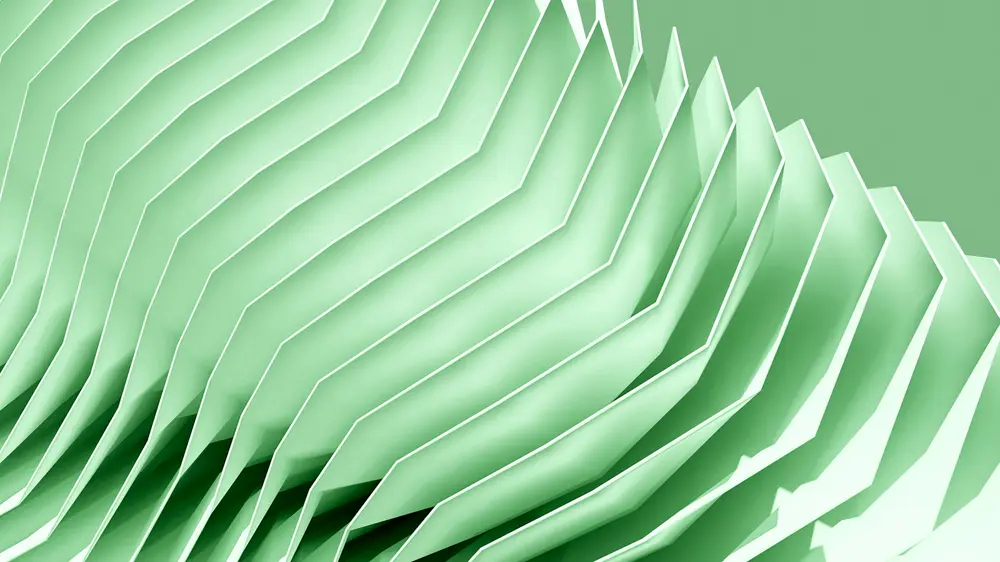
Collections like this one connect to a bigger abstract-design library — Ultra HD Beige Glitch Wallpaper: A Guide is a good thread to pull next.
Save your favourites and share the rest — good wallpapers travel fast.
