

The digital aesthetic landscape is constantly evolving, and the blend of minimalist tones with chaotic digital artifacts has emerged as a dominant trend. Ultra HD beige glitch wallpaper designs offer a unique fusion of soothing earthy tones and the raw, unpolished energy of data corruption. This visual style appeals to designers, tech enthusiasts, and creative professionals who seek a balance between order and entropy in their digital environments. By exploring the nuances of this aesthetic, users can curate a desktop experience that is both visually striking and psychologically engaging.
In This Article:
- The Evolution of Glitch Art Aesthetics
- Why Beige Tones Complement Digital Noise
- Technical Specifications for Ultra HD Displays
- Curating Your Personal Digital Workspace
- Psychological Impact of Abstract Visuals
The Evolution of Glitch Art Aesthetics
Glitch art originated in the late 1980s and early 1990s as artists began experimenting with hardware failures and software errors. What started as accidental visual distortions soon became a deliberate artistic movement. The core philosophy behind glitch aesthetics is the celebration of the imperfect, highlighting the underlying machinery of digital technology. Rather than hiding errors, glitch artists amplify them, turning bugs into features. This movement has since permeated various design fields, from music production to graphic design, and now, prominently, into desktop personalization.
The transition from abstract, high-contrast neon glitches to softer, more organic tones like beige marks a significant shift in the genre. Early glitch art often relied on harsh reds, blues, and greens to mimic signal interference. However, contemporary designs incorporate warmer palettes, suggesting a more integrated and less aggressive form of digital disruption. This evolution allows the aesthetic to be more versatile, suitable for professional environments while retaining its edgy, subversive roots.
For those interested in exploring the broader landscape of digital textures, you might also find texture inspiration useful for enhancing other design projects. Additionally, understanding the history of art movements helps contextualize why glitch styles remain relevant today.

Why Beige Tones Complement Digital Noise
Beige is often categorized as a neutral color, but in the context of digital design, it serves a specific psychological function. It provides a calm, grounding background that prevents visual fatigue. When combined with glitch elements, which are inherently chaotic and high-frequency, the beige base acts as a stabilizer. This contrast creates a visual rhythm that is engaging without being overwhelming. The softness of beige allows the sharp, jagged edges of the glitch artifacts to stand out more prominently, creating a compelling focal point.
Color Psychology in Digital Spaces
Color psychology plays a crucial role in user experience. Beige tones are associated with warmth, simplicity, and comfort. They are often linked to natural materials like wood, stone, and paper, evoking a sense of stability. When these tones are disrupted by digital noise, the result is a juxtaposition of the organic and the synthetic. This duality resonates with modern users who navigate both physical and digital realities. The design suggests that technology is not separate from humanity but intertwined with it, even in its broken states.
Furthermore, the use of neutral palettes in glitch art makes these wallpapers highly versatile. They do not clash with other interface elements, making them ideal for professional dashboards, creative workspaces, and personal devices. The subtlety of the beige ensures that the wallpaper does not distract from the content on the screen, while still maintaining a distinct visual identity.
Technical Specifications for Ultra HD Displays
To fully appreciate the intricacies of an ultra HD beige glitch wallpaper, the display resolution is a critical factor. Ultra HD, typically referring to 4K (3840×2160) or higher resolutions, offers a pixel density that allows for fine details in both the smooth beige gradients and the sharp glitch artifacts. On lower resolution screens, these details may be lost, resulting in a blurry or pixelated appearance that detracts from the overall aesthetic.
File Formats and Compression
When selecting a wallpaper, the file format significantly impacts quality. JPEG formats are common but may introduce compression artifacts, especially in areas of high contrast like glitch zones. For the best visual fidelity, PNG or TIFF formats are recommended, as they preserve detail without lossy compression. However, these files are larger and may take longer to load on older systems. Users should balance quality with performance, ensuring that the wallpaper does not cause unnecessary system lag.
Additionally, the bit depth of the image matters. High-bit-depth images support a wider range of colors and smoother gradients, which is essential for the subtle variations in beige tones. A low-bit-depth image may show banding, where smooth gradients appear as distinct steps, ruining the organic feel of the design. Therefore, sourcing high-quality, uncompressed images is crucial for achieving the intended visual impact.
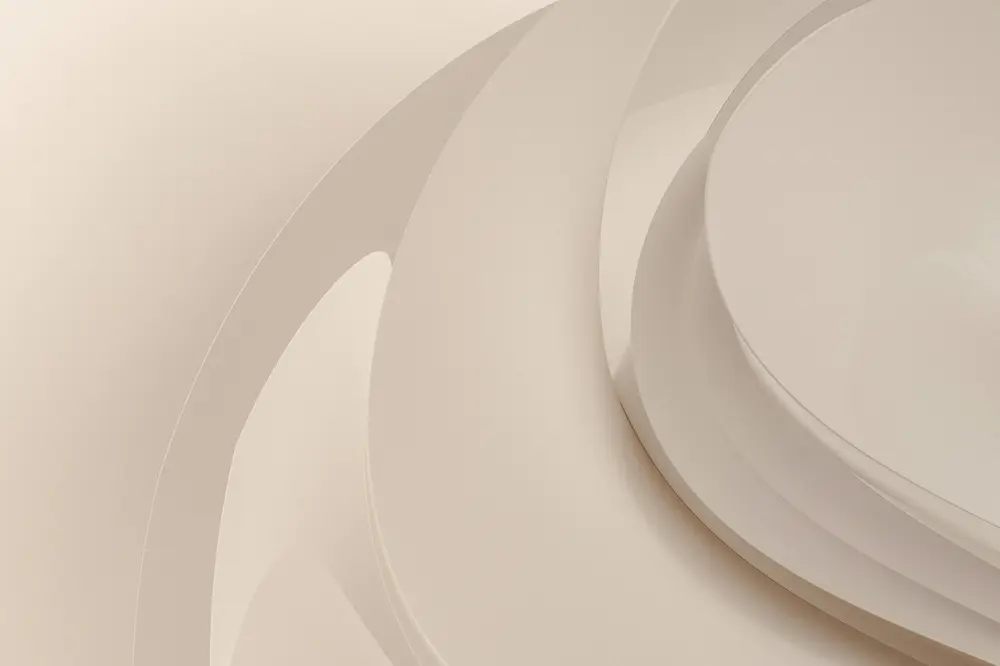
Curating Your Personal Digital Workspace
Choosing the right wallpaper is more than just a matter of aesthetics; it is about creating an environment that supports your workflow and mental state. A well-curated digital workspace can enhance productivity, creativity, and overall well-being. The selection of a beige glitch wallpaper reflects a specific mindset: one that embraces imperfection and finds beauty in complexity. This choice can serve as a daily reminder to approach problems with flexibility and to find value in unexpected outcomes.
Matching Wallpaper to Interface Themes
The wallpaper should harmonize with the overall theme of your operating system and applications. Light themes pair well with lighter beige tones, while dark themes may benefit from deeper, shadowed beige variations. The glitch elements can be adjusted in intensity to match the level of distraction you are comfortable with. For instance, a subtle glitch pattern in the corners of the screen is less intrusive than a full-screen distortion, making it a better choice for long working sessions.
Moreover, consider the context in which you use your device. For creative professionals, a more pronounced glitch effect might stimulate creative thinking. For those in data-heavy roles, a calmer, more subdued design might be preferable. By tailoring the wallpaper to your specific needs, you can create a digital environment that is both functional and inspiring.
Psychological Impact of Abstract Visuals
Abstract visuals, such as glitch art, can have a profound impact on cognitive processes. They encourage the brain to engage in pattern recognition and interpretation, which can enhance mental flexibility. The unpredictability of glitch artifacts keeps the visual field dynamic, preventing the monotony that can lead to decreased attention. This dynamic quality can help maintain focus and alertness during extended periods of screen time.
Stress Reduction and Visual Comfort
Despite their chaotic appearance, beige-toned glitch wallpapers can be calming. The neutral base color reduces visual stress, while the glitch elements provide just enough stimulation to keep the mind engaged without causing anxiety. This balance is crucial for maintaining visual comfort. Overly bright or saturated colors can lead to eye strain, whereas the soft tones of beige are easier on the eyes. The subtle complexity of the glitch patterns offers a form of visual meditation, allowing the mind to rest while still being active.
In conclusion, the ultra HD beige glitch wallpaper represents a sophisticated approach to digital personalization. It combines the warmth of natural tones with the edginess of digital art, creating a unique visual experience. By understanding the technical, psychological, and aesthetic aspects of this design, users can make informed choices that enhance their digital environment. Whether for professional or personal use, this style offers a versatile and engaging option that stands out in the crowded landscape of digital aesthetics.
Frequently Asked Questions
What is the best resolution for a beige glitch wallpaper?
The best resolution depends on your monitor. For 4K displays, use a 3840×2160 image. For higher resolution screens, choose a corresponding Ultra HD size to ensure sharpness and detail preservation.

Do beige glitch wallpapers work with dark mode?
Yes, they work well. Choose darker beige or taupe tones for dark mode to maintain contrast and visual harmony without causing eye strain.
How does glitch art affect concentration?
Subtle glitch patterns can enhance focus by providing dynamic visual interest without being overly distracting. However, intense distortions may reduce concentration for some users.

Can I customize the color tones of a glitch wallpaper?
Yes, using image editing software, you can adjust the hue, saturation, and brightness to match your preferred aesthetic or interface theme.
Where can I find high-quality beige glitch wallpapers?
Look for reputable stock image sites or digital art platforms that offer high-resolution, uncompressed files. Ensure the source provides commercial or personal use licenses as needed.

Related posts:


Found a favourite here? Dark Abstract Wallpaper Design: The Ultimate Aesthetic Guide is the natural next stop on this trail.
Save your favourites and share the rest — good wallpapers travel fast.
