
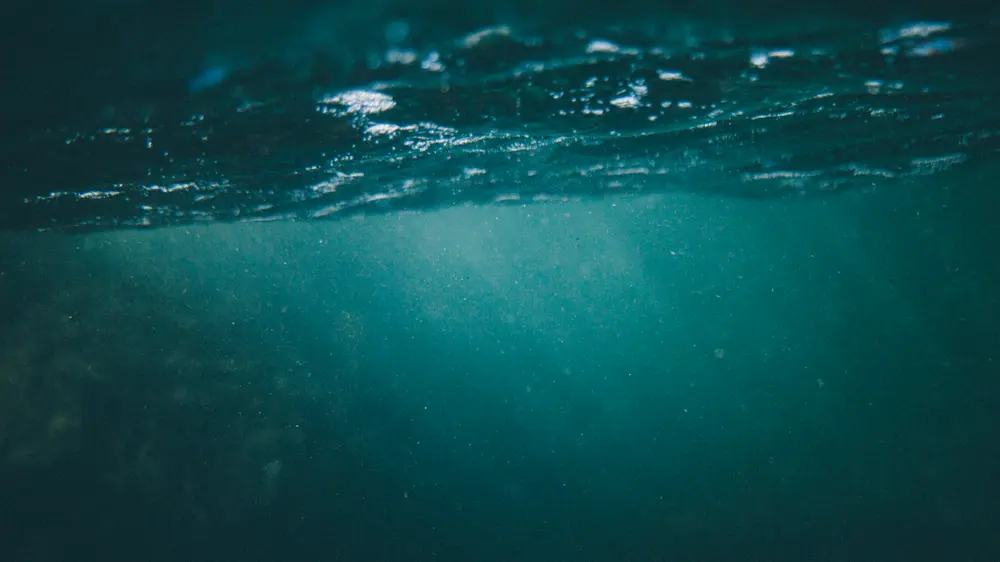
The Allure of the Grey Underwater Aesthetic
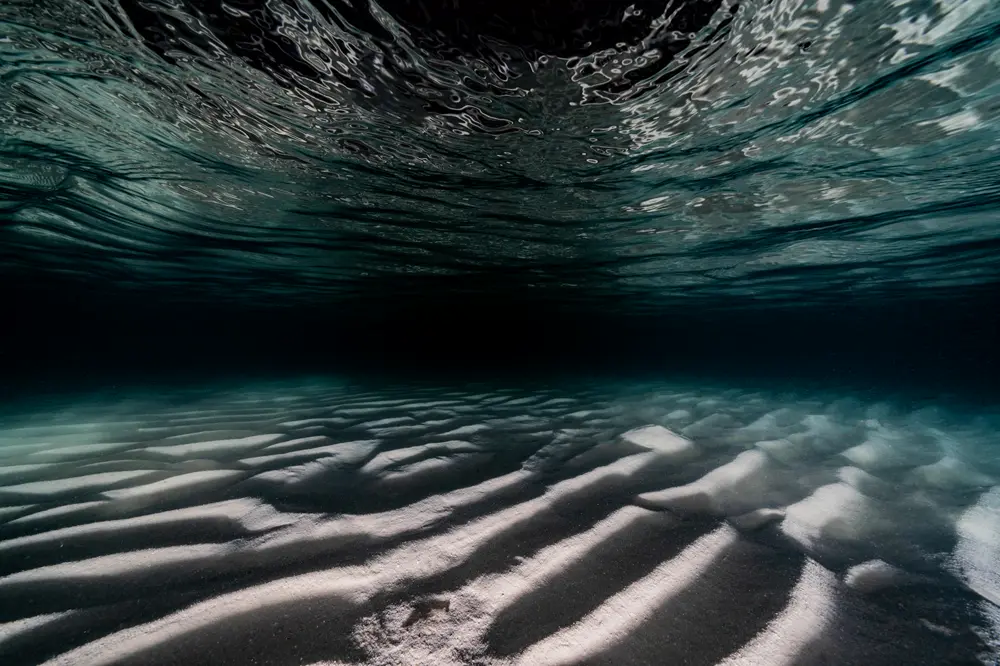
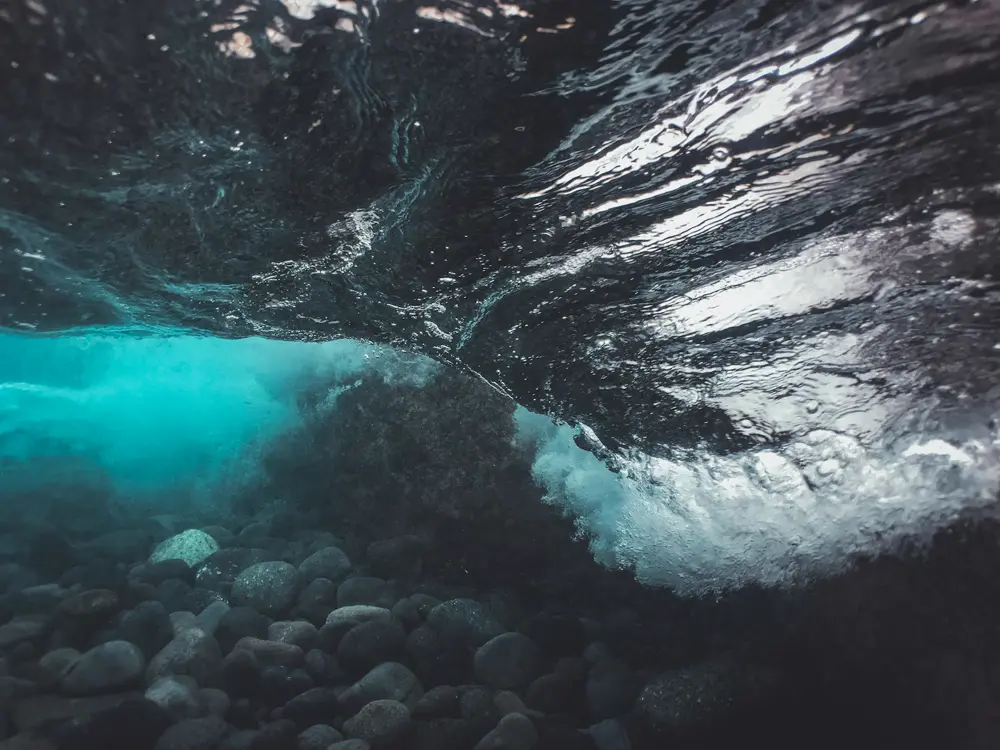
The digital landscape is constantly evolving, and one of the most enduring and captivating trends in visual media is the grey underwater wallpaper genre. Unlike the vibrant, high-saturation blues often associated with ocean imagery, the monochromatic or desaturated grey tone evokes a profound sense of mystery, depth, and tranquility. This aesthetic appeals to users who prefer a calming, minimalist environment for their screens, whether on a desktop, tablet, or mobile device. The use of grey tones in underwater scenes transforms the familiar ocean into an alien, ethereal realm, where light diffuses softly through murky waters, creating a unique visual rhythm that is both soothing and intellectually stimulating.
This specific color palette allows for a focus on texture and light rather than color distraction. It highlights the intricate details of marine life, the play of bubbles, and the structural forms of coral or rock formations without the overwhelming impact of bright hues. For designers and everyday users alike, this aesthetic offers a versatile backdrop that complements a wide range of user interfaces and personal styles. It is not merely a background; it is a mood setter that influences digital well-being and visual focus.
- Design Principles and Visual Psychology
- Practical Applications for Device Screens
- Finding High-Quality Monochromatic Ocean Art
- Digital Hygiene and Screen Longevity
- Conclusion
Design Principles and Visual Psychology
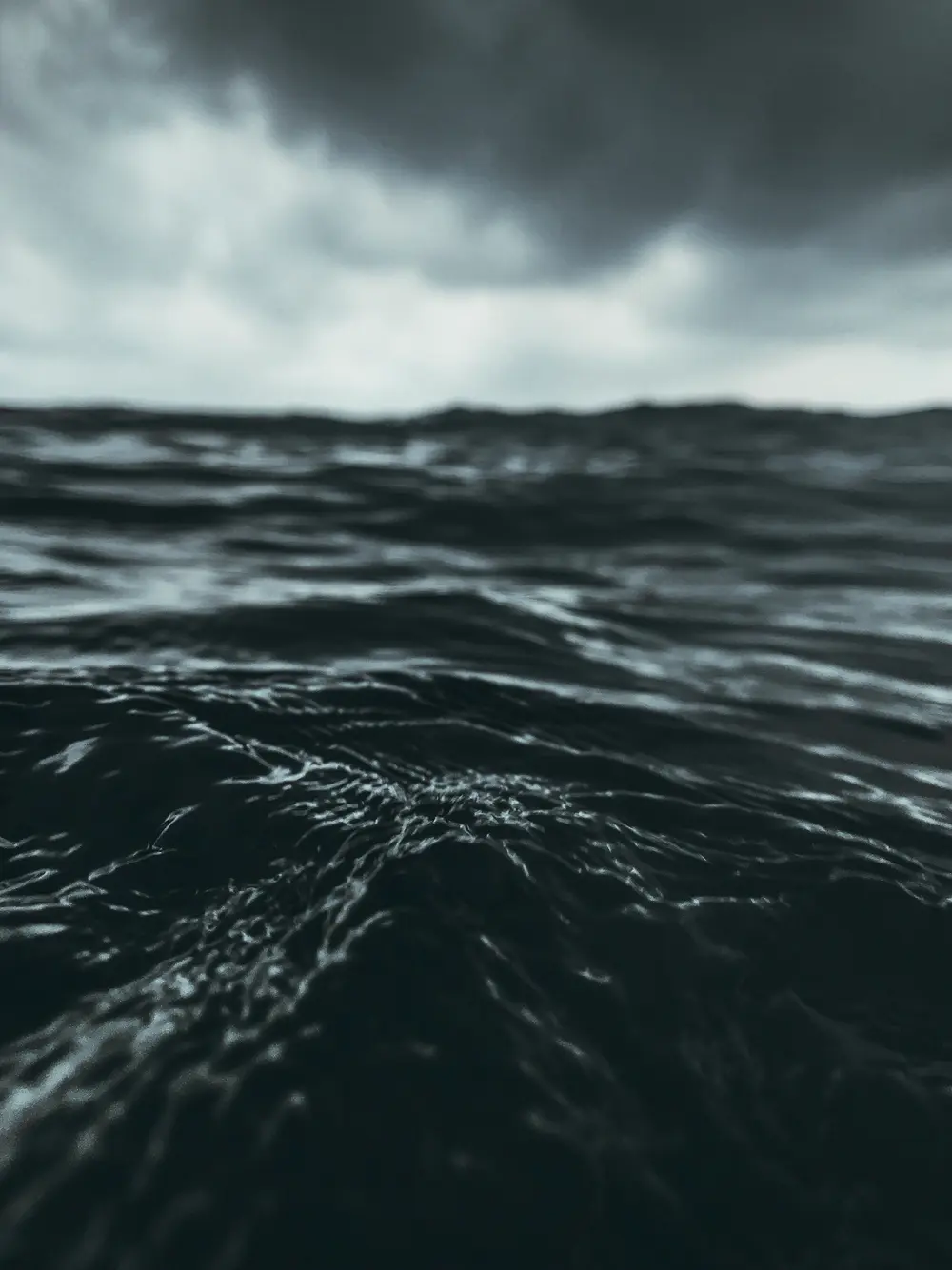
Understanding why the grey underwater wallpaper resonates with a broad audience requires a look at visual psychology. Grey is often described as a neutral color, sitting between the warm and cool spectrums. In an underwater context, this neutrality mimics the natural attenuation of light as it penetrates deeper water. The human eye finds comfort in this balanced spectrum, as it reduces visual strain compared to high-contrast or neon-heavy images. This is particularly important for users who spend long hours staring at screens, as a softer visual environment can contribute to reduced eye fatigue.
The Role of Light and Shadow
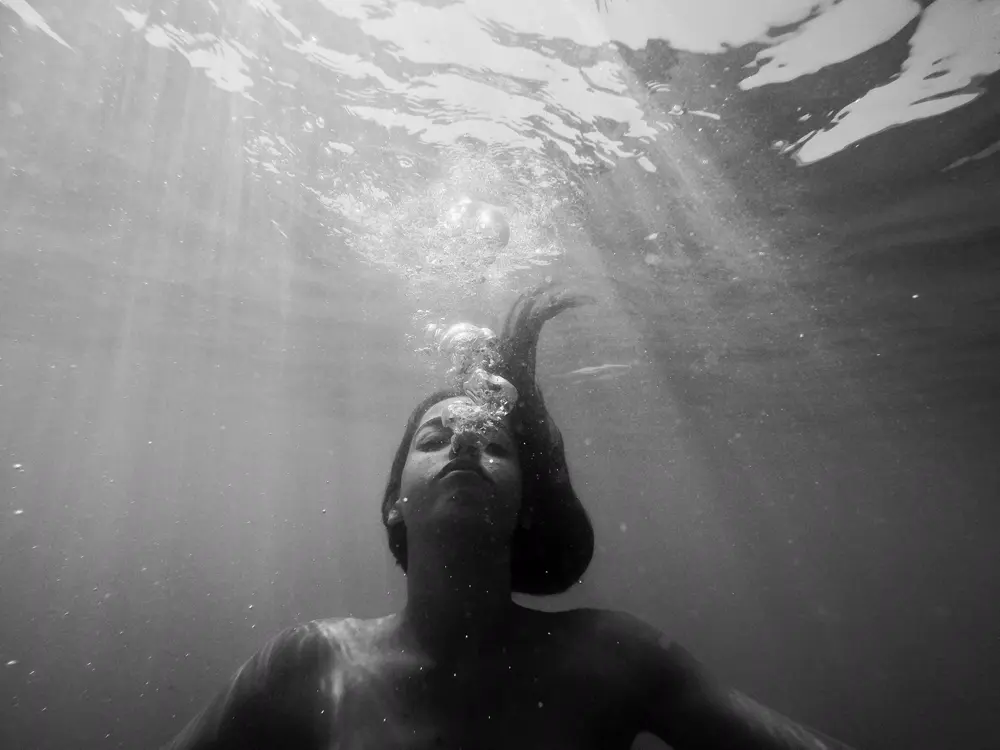
In monochromatic ocean art, light and shadow become the primary drivers of depth perception. Without color to define boundaries, the contrast between illuminated particles and dark voids creates a three-dimensional illusion. This technique, often referred to as chiaroscuro in traditional art, is highly effective in digital wallpapers. The interplay of light rays filtering down from the surface, scattering off suspended particles, and fading into the depths creates a dynamic yet static image. This balance ensures that the wallpaper remains interesting over time without being distracting. Users often report that such images provide a sense of stillness, making them ideal for workstations where focus is paramount.
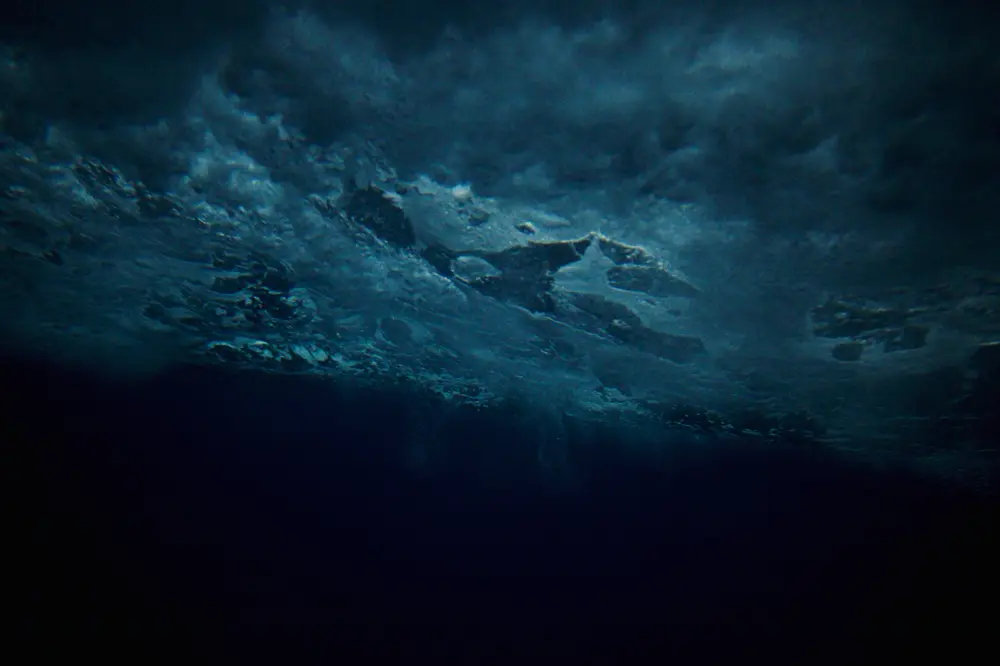
Furthermore, the grey palette allows for a seamless integration with modern UI design. Most operating systems and applications utilize a mix of greys, whites, and blacks for their interfaces. A grey underwater wallpaper harmonizes with these elements, ensuring that icons, widgets, and text remain legible. This cohesive look contributes to a professional and polished digital workspace. For those interested in exploring more minimalist digital aesthetics, you might also find our guide on minimalist design principles helpful for curating a unified screen experience.
Practical Applications for Device Screens
The versatility of this aesthetic extends across various device types, each requiring specific considerations for optimal display. On large desktop monitors, high-resolution grey underwater images can serve as immersive backdrops that enhance the surrounding physical environment. The cool tones of the image can make a warm office feel more balanced and professional. However, the scale of the image is crucial; a low-resolution file will appear pixelated on a 4K display, detracting from the subtle gradients that define the style. Therefore, selecting an image with sufficient pixel density is essential to preserve the soft, hazy quality of the underwater scene.
Mobile and Tablet Optimization
For mobile devices, the aspect ratio becomes a critical factor. A wallpaper designed for a widescreen desktop may crop out key elements of the underwater scene when applied to a tall smartphone screen. It is advisable to choose images where the focal point—such as a school of fish or a central light beam—is centered or positioned according to the rule of thirds. This ensures that important visual elements are not obscured by the lock screen clock or notification badges. Additionally, the muted colors of a grey underwater wallpaper are excellent for OLED screens, as they do not emit the intense blue light that can cause eye strain in low-light conditions. This makes them a practical choice for users who frequently use their devices in the evening.
When setting up a multi-monitor setup, consistency is key. Using the same underwater theme across all screens creates a cohesive panoramic view, enhancing the sense of immersion. This setup is popular among creative professionals who need a calming environment to boost productivity. The uniformity of the grey tones ensures that the transition between screens is smooth, avoiding the jarring effect caused by mismatched color temperatures or themes. For more tips on optimizing your digital workspace, consider reading our article on ergonomics and screen placement.
Finding High-Quality Monochromatic Ocean Art
Sourcing the right image is a balancing act between aesthetic appeal and technical quality. Many stock photo websites offer vast libraries of underwater photography, but finding a true monochromatic or grey-toned piece requires specific search strategies. Instead of searching for “blue ocean,” try terms like “monochromatic sea,” “grey water texture,” or “underwater light rays.” These keywords are more likely to yield results that match the desired aesthetic. It is also important to check the license for the image, especially if you plan to use it for commercial purposes or in a public-facing digital project.
Editing Techniques for Customization
If you cannot find the perfect image, editing a standard underwater photo into a grey tone is a straightforward process. Most image editing software allows for easy desaturation and contrast adjustment. By reducing the saturation to zero and adjusting the curves to enhance the shadows and highlights, you can transform a vibrant image into a sophisticated grey underwater wallpaper. This method gives you full control over the final look, allowing you to tweak the brightness and contrast to suit your specific display settings. Many users prefer to create their own custom wallpapers this way, ensuring that the image is perfectly tailored to their device and personal taste.
Another approach is to use generative AI tools to create unique underwater scenes. These tools can be prompted to generate images with specific lighting conditions and color palettes, offering endless possibilities for customization. However, it is crucial to review the output carefully to ensure that the details are realistic and free from artifacts. The goal is to maintain the organic feel of natural underwater photography, avoiding the overly synthetic look that can sometimes accompany AI-generated art. For those interested in digital art creation, our resource on photography editing techniques may provide valuable insights into enhancing your digital assets.
Digital Hygiene and Screen Longevity
While the aesthetic benefits of a grey underwater wallpaper are significant, it is also important to consider the impact on your device’s screen longevity. High-brightness images can cause burn-in on certain types of displays, particularly OLED panels. Since grey tones are generally mid-range in brightness, they are less likely to cause permanent pixel damage compared to pure white images. However, it is still a good practice to use automatic brightness settings and avoid leaving the screen on at maximum brightness for extended periods. This not only protects the hardware but also conserves battery life, making your device more efficient in daily use.
Updating and Rotating Wallpapers
To maintain visual interest and prevent habituation, consider rotating your wallpapers periodically. You can create a collection of different grey underwater wallpaper variations, ranging from deep-sea darkness to surface-level light rays, and switch between them based on the time of day or your mood. This simple digital hygiene practice keeps your screen fresh and engaging. It also provides an opportunity to explore different aspects of the underwater world, from the clarity of shallow waters to the mystery of the abyss. By curating a diverse library of images, you ensure that your digital environment remains dynamic and personally meaningful.
Conclusion
The grey underwater wallpaper is more than just a background image; it is a deliberate design choice that reflects a preference for calm, depth, and sophistication. Its neutral palette reduces visual noise, enhances screen legibility, and promotes a sense of tranquility in a digital space filled with distractions. Whether you are a professional seeking a focused work environment or a user looking to relax during downtime, this aesthetic offers a versatile and effective solution. By understanding the principles of light, shadow, and color psychology, you can select and customize wallpapers that truly resonate with your personal style and functional needs. Embrace the depth of the grey ocean and transform your digital experience into a serene, immersive journey.
Frequently Asked Questions
Why do grey underwater wallpapers reduce eye strain?
Grey tones are mid-range in brightness and lack the high-intensity blue light found in vibrant colors. This reduces the contrast stress on the eyes, making them more comfortable to view for extended periods, especially in low-light environments.
How do I find high-resolution grey ocean images?
Use specific search terms like “monochromatic underwater” or “grey sea texture” on reputable stock photo sites. Ensure you filter for high-resolution files (4K or higher) to maintain detail on large screens.
Can I convert a colorful ocean photo to grey?
Yes. Most image editing software allows you to reduce saturation to zero and adjust contrast curves. This process transforms vibrant colors into a sophisticated monochromatic grey palette.
Are grey wallpapers better for OLED screens?
Generally, yes. Since grey pixels are not as bright as pure white, they are less likely to cause burn-in over time. However, using automatic brightness settings is still recommended to protect the display.
How often should I change my digital wallpaper?
There is no strict rule, but rotating wallpapers every few weeks can prevent visual habituation. This keeps your screen engaging and allows you to explore different aesthetic variations of your favorite themes.
Related posts:

If these hit the mark, Animated Mint Sunrise Wallpaper: Aesthetic Motion Backgrounds keeps the streak going with more calm-visuals picks.
Bookmark this collection so your next wallpaper swap is one click away.
