
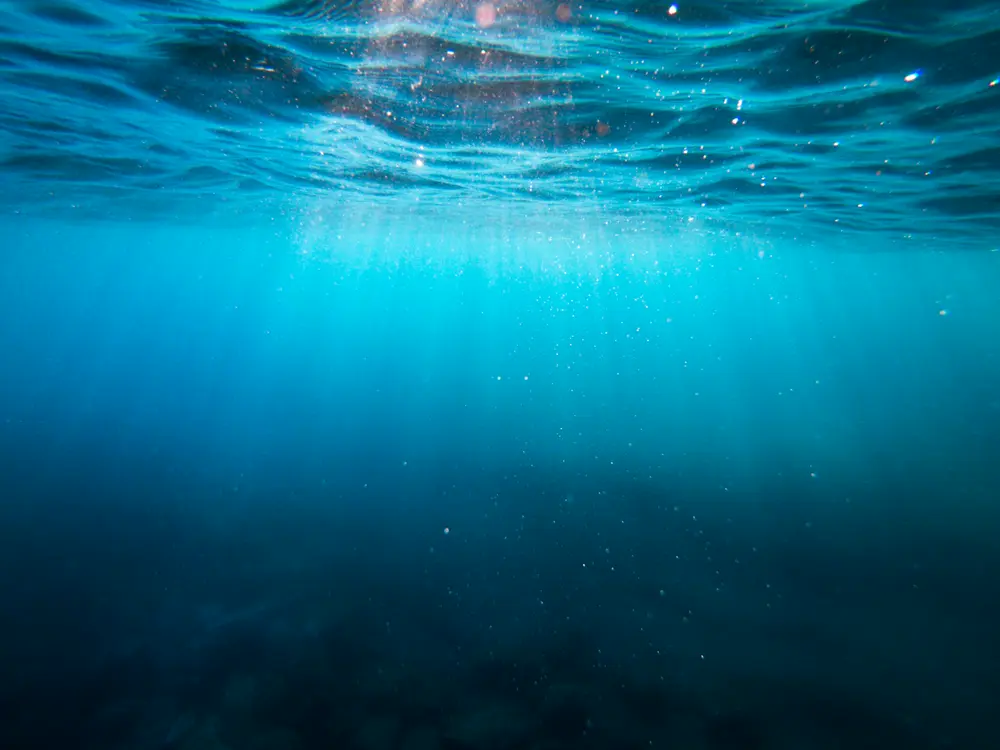
Transform Your Digital Space with 8K Light Underwater Wallpapers
There is something profoundly meditative about the way sunlight interacts with the deep blue of the ocean. When you gaze into a high-resolution image of the sea, you aren’t just looking at a picture; you are experiencing a moment of subaquatic tranquility. As display technology evolves, the demand for 8k light underwater wallpaper has surged, allowing users to bring the crisp, shimmering reality of the ocean directly onto their desktops and mobile devices. These images capture the delicate dance of light rays, the rhythmic movement of waves, and the ethereal glow of marine life in unparalleled detail.
- Understanding the Aesthetic Appeal of 8K Underwater Light
- The Technical Advantage of 8K Resolution
- Captivating Lighting Patterns in Aquatic Environments
- Choosing the Right Wallpaper for Your Device
- Creating a Calming Digital Atmosphere
Understanding the Aesthetic Appeal of 8K Underwater Light
The allure of underwater photography lies in its ability to evoke a sense of immersion. Unlike terrestrial landscapes, the underwater world is governed by unique optical properties. Light does not travel in straight lines as it does through the air; instead, it is refracted, scattered, and absorbed by the water column. This creates a visual language characterized by soft gradients, dancing shadows, and a spectrum of blues that shift from turquoise to deep midnight navy.

When searching for the perfect ocean scenery, users often look for that specific sense of depth. An 8K image provides the necessary pixel density to make that depth feel real. You can see the tiny particles of marine snow drifting in the current or the way a single ray of light illuminates a patch of sand on the ocean floor. This level of detail is what differentiates a standard background from a truly immersive high-quality wallpaper experience.
The Technical Advantage of 8K Resolution
Why should you settle for 4K when 8K is available? The difference lies in the resolution threshold. An 8K image possesses a resolution of approximately 7680 × 4320 pixels, which is four times the pixel count of a standard 4K display. For subject matter like water, where textures are fluid and boundaries are soft, this extra resolution is critical.

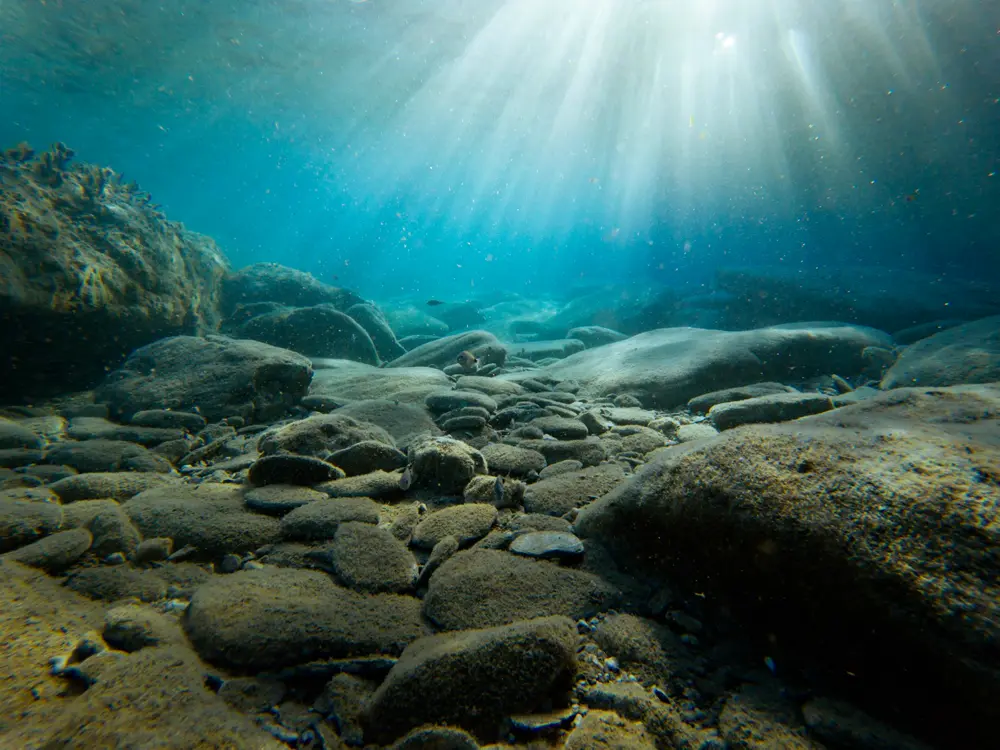
Visual Clarity and Sharpness: In 8K, the caustic patterns—those shimmering webs of light seen on the seabed—are rendered with surgical precision. In lower resolutions, these patterns can appear blurry or pixelated, breaking the illusion of realism. With 8K, the transitions between light and shadow are smooth, mimicking the natural refraction of light through moving water.
Future-Proofing Your Setup: As high-end monitors and large-format displays become more common, 8K content ensures that your desktop remains visually stunning for years to come. Even if your current monitor is only 4K, using an 8K source image allows for better downsampling, resulting in a cleaner, more anti-aliased image than a native 4K file would provide.
Pixel Density and the Human Eye
At close viewing distances, the human eye can begin to detect individual pixels on lower-resolution screens. With 8K light underwater wallpaper, the pixels are so tightly packed that the image appears as a continuous, seamless flow of color and light. This is particularly important for macro underwater photography, where the textures of coral reefs or the scales of a fish are the main focus.
Captivating Lighting Patterns in Aquatic Environments
The ‘light’ in ‘light underwater wallpaper’ is the most important semantic element. Light defines the mood, the depth, and the composition of the shot. Understanding the different types of light can help you choose a wallpaper that fits your psychological needs.
Sunbeams and Crepuscular Rays
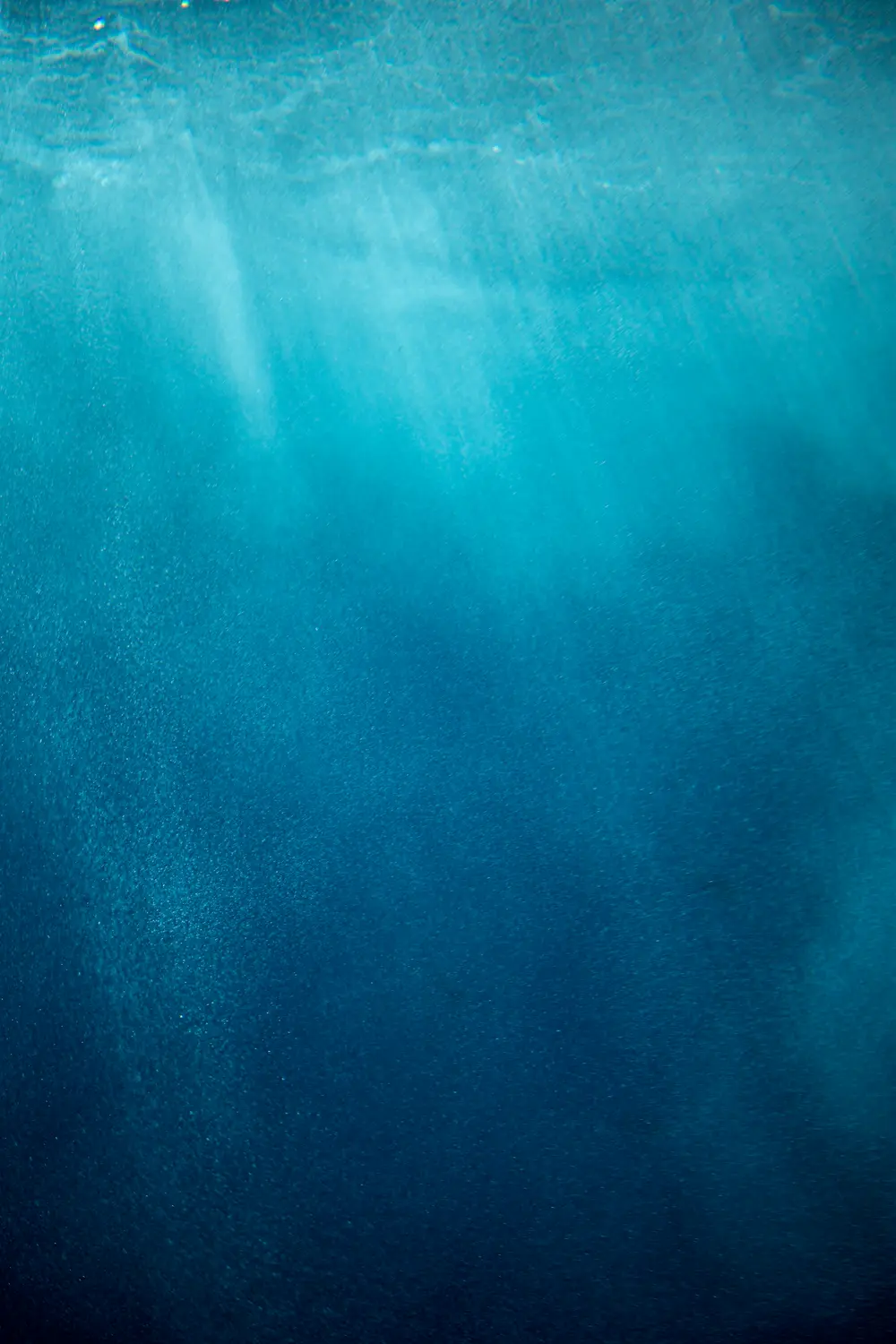
Perhaps the most iconic underwater visual is the crepuscular rays, often referred to as ‘God rays.’ These occur when sunlight pierces through the surface of the water in distinct beams. These beams create a sense of verticality and divinity within the image. They act as leading lines, drawing the viewer’s eye from the bright surface down into the mysterious depths. For those seeking inspiration or a sense of hope, sunbeam-heavy wallpapers are an excellent choice.
Caustic Light Patterns
Caustics are the envelopes of light rays reflected or refracted by a curved surface, such as the undulating waves at the ocean’s surface. These light patterns project onto the ocean floor in mesmerizing, shifting geometric shapes. A wallpaper focused on caustics provides a high level of visual texture. It is less about a specific subject and more about the ambient energy of the water. This is perfect for users who want a background that is visually interesting but not distracting.

Bioluminescence and Low-Light Aesthetics
For a different mood entirely, one might opt for bioluminescent photography. In the deep ocean, where sunlight cannot reach, organisms create their own light. These wallpapers feature dark, moody backgrounds punctuated by glowing blues, greens, and purples. This creates a high-contrast, cinematic aesthetic that is perfect for OLED screens, where the true blacks of the deep sea can truly shine.
Choosing the Right Wallpaper for Your Device
Not all wallpapers are created equal, and the device you use should dictate your selection criteria.
- Desktop Monitors: Look for widescreen aspect ratios like 16:9 or 21:9 (ultrawide). An ultrawide underwater shot can make your desk setup feel much larger and more expansive.
- Mobile Devices: Vertical compositions are key here. Look for images where the light rays travel from the top of the frame downwards, mimicking the way we perceive the world through a smartphone screen.
- OLED Displays: If you have an OLED screen, prioritize images with deep blacks and high contrast, such as deep-sea scenes or bioluminescent patterns, to take advantage of the infinite contrast ratio.
Creating a Calming Digital Atmosphere
The color blue is scientifically linked to feelings of calmness and stability. By using 8K underwater imagery, you are leveraging color psychology to improve your digital environment. Whether you are working in a high-stress office or gaming in a dark room, a serene ocean background can help lower cognitive load and provide a momentary mental escape.
When selecting your image, consider the visual weight. A busy image with too many fish or coral structures might become distracting during work. Conversely, a minimalist shot of light hitting clear water provides a neutral backdrop that enhances focus while still being aesthetically pleasing.
Conclusion
Selecting an 8k light underwater wallpaper is about more than just finding a pretty picture; it is about choosing a window into a world of profound beauty and technical perfection. Whether you are drawn to the dramatic power of sunbeams, the intricate geometry of caustics, or the mysterious glow of the deep sea, the high resolution of 8K ensures that your digital experience is as vivid and immersive as the ocean itself. Elevate your screen, calm your mind, and enjoy the eternal dance of light beneath the waves.
Frequently Asked Questions
1. What is the main difference between 4K and 8K underwater wallpapers?
The primary difference is the level of detail and smoothness. 8K offers four times the resolution of 4K, which means light rays, water textures, and fine marine details appear significantly sharper and more realistic, especially on large or high-end displays.
2. How can I use 8K wallpapers on a 1080p or 4K monitor?
You can absolutely use 8K images on lower-resolution screens. The extra data will be scaled down (downsampled), which often results in a cleaner, smoother image with less pixelation than a native-resolution file would provide.
3. Are underwater wallpapers good for reducing stress?
Yes, many people find aquatic imagery soothing. The color blue and the rhythmic, organic patterns found in water photography are often used in environmental psychology to promote relaxation and focus.
4. What are ‘caustics’ in underwater photography?
Caustics are the bright, shimmering patterns of light seen on the seabed or objects underwater. They are caused by the refraction of sunlight through the wavy surface of the water, acting like a moving lens.
5. Can 8K wallpapers slow down my computer?
Simply having an 8K image as your wallpaper has a negligible impact on modern computers. However, very high-resolution files may take a slightly longer moment to load initially when you boot up or change your settings.
Related posts:



Before you settle on one, glance at 8k Gold Ocean Wallpaper: Premium High-Resolution Seascape Visuals too. It pairs nicely with what you just scrolled through.
Know someone whose screen needs a refresh? Pass this link along.
