
Embracing the Calm: The Allure of Teal Minimalist Wallpaper
In the evolving landscape of modern interior design, the pursuit of serenity often leads us toward a specific intersection of color and simplicity. The teal minimalist wallpaper style has emerged as a premier choice for those seeking to balance sophisticated luxury with the grounding principles of minimalism. Teal, a rich hybrid of blue and green, carries a unique psychological weight; it evokes the depths of the ocean and the lushness of forest canopies, providing a sense of stability and calm. When paired with a minimalist philosophy—which prioritizes negative space, clean lines, and the removal of unnecessary clutter—the result is a space that feels both curated and breathable.
- The Psychology of Teal
- Choosing the Right Shade
- Minimalist Patterns and Textures
- Room-by-Room Application
- The Role of Lighting
- Maintenance Tips
The Psychology of Teal in Minimalist Design
To truly master the teal minimalist wallpaper style, one must first understand why this specific color works so effectively within a restrained environment. When you are looking to refresh your decor, you aren’t just choosing a color; you are choosing an emotional atmosphere. Teal sits in a unique position on the color wheel, offering the soothing qualities of blue alongside the rejuvenating energy of green.

In a minimalist setting, where visual distractions are intentionally limited, the color of your walls takes on a much greater significance. A muted teal can act as a neutral, providing enough character to prevent a room from feeling sterile, while a deep navy-teal can create a sense of “enclosure” and intimacy that is perfect for contemplative spaces. Many interior designers use these specific color profiles to influence the mood of a home, using teal to promote focus in offices or relaxation in bedrooms. By keeping the patterns simple, the color itself becomes the primary architectural element, defining the room’s boundaries through hue rather than through busy motifs.
Selecting the Perfect Shade for Your Aesthetic
Not all teals are created equal. The success of your minimalist wallcovering strategy depends heavily on the saturation and undertone of the pigment you choose. Because minimalism relies on a limited palette, the “correct” shade of teal will dictate every other choice in the room, from furniture to hardware.
Deep, Moody Teals for Drama and Depth
For those who want to push the boundaries of minimalism toward a more moody or “maximalist-lite” aesthetic, dark teal is the way to go. These shades, often leaning closer to peacock or dark cyan, work exceptionally well in rooms with high ceilings. When applied to a single feature wall or even an entire room, a dark teal creates a sophisticated backdrop that makes light-colored furniture—such as cream linen sofas or light oak tables—pop with dramatic contrast. This approach utilizes high-contrast minimalism to create visual interest without the need for cluttered decor.
Muted and Desaturated Teals for Airy Spaces
If your goal is to make a small room feel larger and more tranquil, look for teals with significant grey or sage undertones. These desaturated teals behave more like neutrals. They provide a subtle wash of color that feels organic and soft. This is particularly effective in Scandinavian-inspired interiors, where the goal is to maintain a bright, airy atmosphere while still incorporating naturalistic colors. These shades pair beautifully with light woods, white textiles, and matte black accents.
Bright and Energetic Teal Accents
While pure minimalism often leans toward the muted, a bright, vibrant teal can be used strategically as a focal point. Using a bright teal wallpaper in a small powder room or a reading nook can create a “jewel box” effect. This technique allows you to experiment with bold color without overwhelming the entire living space, adhering to the minimalist rule of intentionality.
Patterns and Textures: The Subtle Art of Detail
A common misconception is that minimalist wallpaper must be solid-colored. In reality, the teal minimalist wallpaper style thrives on subtle, rhythmic patterns that add depth without creating visual noise. The key is to look for patterns that respect the principle of repetition and scale.
Geometric Simplicity
Geometric patterns—such as thin gold lines, small triangles, or soft hexagons—can add a sense of order to a room. In a teal context, a matte wallpaper with a metallic geometric overlay can bridge the gap between modernism and luxury. The pattern should be large enough to be seen but subtle enough that it doesn’t compete with the furniture for attention.
Organic and Biophilic Lines
Minimalism is increasingly moving toward biophilic design, which incorporates natural elements. Teal wallpaper featuring soft, flowing waves or abstract leaf silhouettes can bring a sense of the outdoors inside. These organic lines break up the harsh corners of a room, making the space feel more lived-in and less rigid, while still maintaining a clean, uncluttered look.
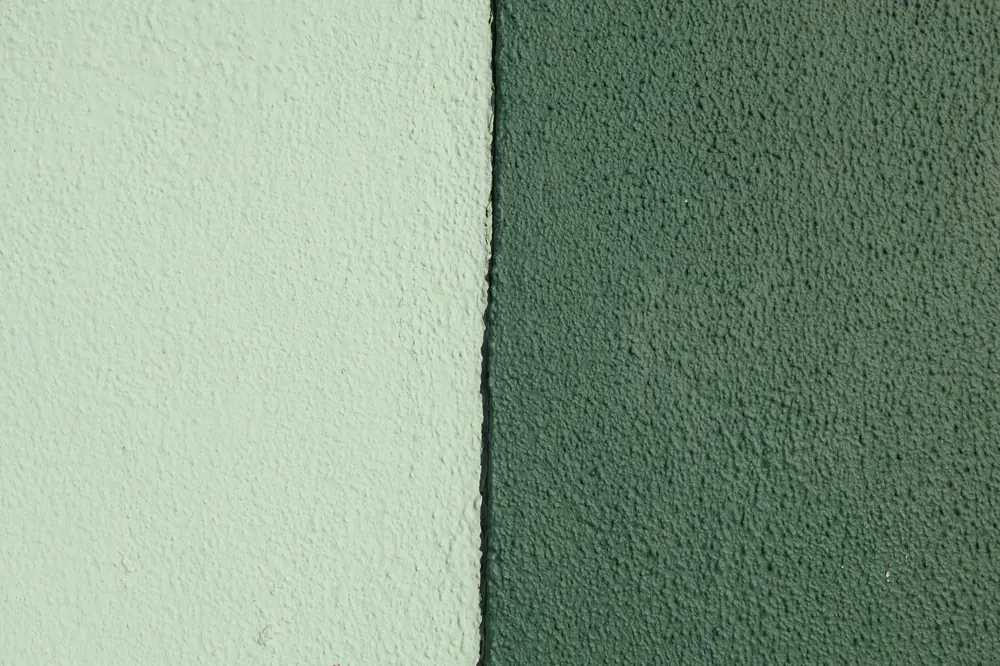
Tactile Textures and Grasscloth
Sometimes, the most effective pattern is no pattern at all, but rather a texture. Teal grasscloth wallpaper is a masterclass in minimalist luxury. The natural variations in the weave create shadows and highlights that change throughout the day, providing a “living” wall surface. Similarly, faux-linen or embossed wallpapers can provide a tactile quality that makes a minimalist room feel warm and inviting rather than cold.
Room-by-Room Application Guide
Applying teal wallpaper requires a different strategy depending on the functionality of the space. Here is how to approach the most common areas of the home.
- The Living Room: Use teal as a foundational element. A large, light-colored sofa against a muted teal wall creates a classic, timeless look. Consider using matte finishes to prevent glare from large windows.
- The Bedroom: This is the ideal place for deeper, more saturated teals. Darker walls promote melatonin production and a sense of security, aiding in better sleep hygiene. Pair with soft textures like velvet or heavy cotton.
- The Home Office: Teal is scientifically linked to improved concentration. A teal wallpaper with a subtle linear pattern can provide a professional yet calming backdrop for video calls and deep work.
- The Dining Room: For a sense of elegance, pair teal wallpaper with metallic accents like brass or copper. This creates a sophisticated environment perfect for entertaining.
The Critical Role of Lighting and Color Interaction
One of the most important aspects of working with the teal minimalist wallpaper style is understanding metamerism—the phenomenon where colors appear different under different light sources. Because teal is a complex color, its appearance can shift dramatically.
In a room with abundant natural north-facing light, teal may appear cooler and more blue. In south-facing rooms, the warmth of the sun might bring out the green undertones, making the color feel much more vibrant. When selecting your wallpaper, always request a sample and observe it at different times of the day. Furthermore, your choice of artificial lighting is vital. Warm Kelvin bulbs (2700K-3000K) will soften the teal and make it feel cozy, whereas cool daylight bulbs (4000K+) will emphasize its crisp, modern edges. In a minimalist space, lighting is not just a utility; it is a tool used to sculpt the color of your walls.
Maintaining Your Minimalist Walls
To keep your teal walls looking pristine, consider the material of the wallpaper. Vinyl-coated wallpapers are highly durable and easy to wipe clean, making them ideal for high-traffic areas like hallways or dining rooms. If you are opting for more delicate options like non-woven paper or grasscloth, ensure they are placed in areas away from direct moisture or heavy sunlight to prevent fading and warping. A clean, well-maintained wall is essential to the minimalist aesthetic, as any scuffs or stains will be immediately noticeable against the smooth, intentional backdrop.
Final Thoughts
The teal minimalist wallpaper style offers a unique opportunity to infuse your home with character without sacrificing the peace that minimalism provides. By carefully selecting your shade, embracing subtle textures, and respecting the influence of light, you can create a sanctuary that is both visually stunning and emotionally grounding. Whether you choose a deep, dramatic teal or a soft, muted hue, the key lies in intentionality—making every design choice serve the purpose of creating a harmonious, beautiful space.
Frequently Asked Questions
1. Does teal wallpaper make a room look smaller?
Not necessarily. While dark teal can create a sense of enclosure, it can also add perceived depth, making a wall feel further away. For smaller rooms, lighter, desaturated teals are safer choices to maintain an airy feeling.
2. What colors pair best with teal minimalist wallpaper?
To maintain a minimalist look, pair teal with neutrals like white, cream, or light grey. For a touch of luxury, incorporate metallic accents like gold or copper. For a nature-inspired look, use warm wood tones.
3. Can I use dark teal wallpaper in a small bedroom?
Yes! Using dark teal in a small bedroom can create a cozy, “cocoon” effect that is incredibly relaxing. Just ensure you have adequate lighting to prevent the room from feeling cave-like.
4. What patterns define the “minimalist” look in wallpaper?
Minimalist patterns are characterized by simplicity, repetition, and scale. Think of fine geometric lines, subtle textures like linen, or large-scale, abstract organic shapes with plenty of negative space.
5. Is matte or satin finish better for teal minimalist walls?
Matte finishes are generally preferred for a minimalist aesthetic as they absorb light and provide a soft, sophisticated look. Satin finishes reflect more light and can look more formal, but they may also highlight imperfections on the wall.
Related posts:

Found a favourite here? Beige Minimalist Wallpaper: 2024 Design Guide is the natural next stop on this trail.
Bookmark this collection so your next wallpaper swap is one click away.
