

The Timeless Appeal of White Pattern Wallpapers
In the evolving landscape of interior design, white pattern wallpaper has emerged as a sophisticated choice for homeowners and designers alike. Unlike solid white walls, which can sometimes feel sterile or overly clinical, patterned white surfaces introduce texture, depth, and visual interest without sacrificing the bright, airy aesthetic that white spaces are known for. This design trend bridges the gap between minimalist simplicity and decorative complexity, making it a versatile tool for modern living spaces. Whether you are looking to refresh a small hallway or transform a spacious living room, understanding the nuances of white patterns can help you achieve a balanced and elegant look.
- Types of White Patterns
- Design Principles & Application
- Material Considerations
- Cleaning & Maintenance
- Frequently Asked Questions
Exploring Popular White Pattern Styles
The world of white pattern wallpaper is diverse, offering various motifs that cater to different architectural styles and personal tastes. Selecting the right pattern is crucial for ensuring harmony with your existing furniture and decor.

Geometric Precision
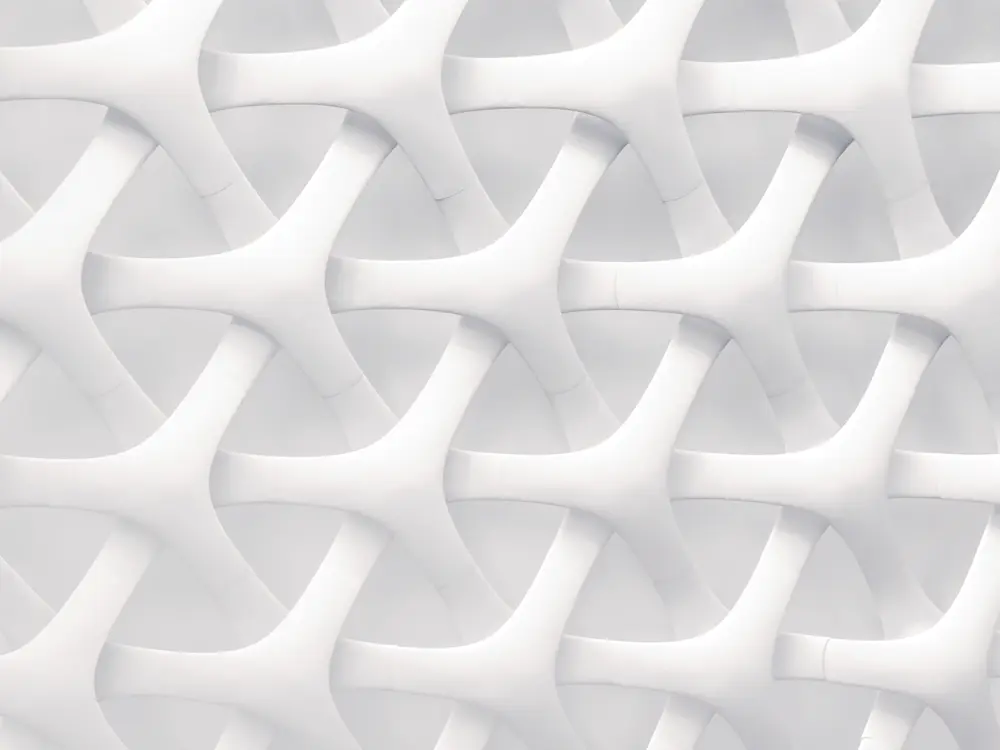
Geometric patterns, such as hexagons, diamonds, or grid lines, are popular for their clean, modern appeal. These designs often rely on subtle tonal shifts between off-white, cream, and pure white to create depth. A geometric motif works exceptionally well in contemporary spaces, adding structure without overwhelming the eye. The precision of these lines can make a room feel larger and more organized, ideal for urban apartments or minimalist offices.
Subtle Floral and Botanical Motifs
For those who prefer a softer aesthetic, white-on-white floral patterns offer a romantic and organic touch. These designs often feature delicate vines, leaves, or abstract flower shapes that blend seamlessly into the background. This style is particularly effective in bedrooms and reading nooks, where a calming atmosphere is desired. The key here is subtlety; the pattern should be visible upon close inspection but not dominate the space from a distance.

Texture-Based Patterns
Some white pattern wallpaper options focus less on printed motifs and more on physical texture. Embossed or woven designs create shadows and highlights as light interacts with the surface. This tactile approach adds a layer of luxury and warmth to the room. It is particularly effective in spaces with natural light, where the interplay of light and shadow can enhance the visual appeal of the walls throughout the day.
Design Principles and Application Strategies
Applying white pattern wallpaper requires a strategic approach to ensure it complements the overall interior design. The goal is to enhance the space, not compete with it. Here are some key principles to consider when integrating this trend into your home.

Balancing Contrast and Harmony
Since the base color is white, the contrast comes from the pattern’s density and tone. In a room with dark furniture, a bolder white pattern can serve as a neutral backdrop that softens the heaviness of the pieces. Conversely, in a room with light-colored furniture, a subtle texture-based pattern can prevent the space from feeling too washed out. It is essential to consider the balance between the wall treatment and other elements in the room, such as rugs, curtains, and artwork.
Room Size and Pattern Scale
The scale of the pattern should be proportional to the size of the room. In smaller spaces, large, bold patterns can feel claustrophobic and overwhelming. Instead, opt for smaller, repeating motifs that create a sense of continuity and openness. In larger rooms, larger-scale patterns can help define the space and add a layer of sophistication without feeling lost. Always visualize the pattern in the context of the room’s dimensions before making a final decision.
Lighting Considerations
Lighting plays a critical role in how white pattern wallpaper is perceived. Natural light can enhance the subtleties of a pattern, revealing details that might be missed under artificial lighting. However, harsh overhead lighting can flatten the texture and reduce the depth of the design. It is advisable to test samples under different lighting conditions, including morning, afternoon, and evening, to ensure the pattern looks appealing throughout the day. Warm-toned lighting can add a cozy feel, while cool-toned lighting can emphasize the crispness of the white tones.
Material Considerations for Durability
The material of the wallpaper is just as important as the design. Different materials offer varying levels of durability, ease of installation, and aesthetic qualities. Understanding these differences can help you make an informed choice that fits your lifestyle and budget.

Vinyl vs. Non-Woven
Vinyl wallpapers are known for their durability and resistance to moisture, making them suitable for high-traffic areas like hallways and kitchens. They are also easier to clean, a significant advantage for households with children or pets. On the other hand, non-woven wallpapers are lighter and easier to install, with less risk of air bubbles or wrinkles. They are often made from a blend of paper and synthetic fibers, offering a good balance between affordability and quality.
Environmental Impact
As sustainability becomes a priority for many homeowners, the environmental impact of wallpaper materials is worth considering. Look for options made from recycled materials or those that are free from volatile organic compounds (VOCs). Eco-friendly white pattern wallpaper options are increasingly available and often offer similar aesthetic qualities to their conventional counterparts. Choosing sustainable materials not only benefits the environment but also contributes to a healthier indoor living environment.
Cleaning and Maintenance Tips
Proper maintenance is essential to keep white pattern wallpaper looking fresh and vibrant over time. White surfaces are prone to showing dirt, dust, and stains, so regular cleaning is crucial. Here are some practical tips to maintain the beauty of your walls.
Routine Dusting
Dust and debris can accumulate on textured surfaces, dulling the appearance of the pattern. Use a soft, dry cloth or a vacuum cleaner with a brush attachment to gently remove dust from the walls. Avoid using abrasive materials that could scratch or damage the surface. Regular dusting, once a week, can help prevent the buildup of dirt and keep the wallpaper looking clean.
Spot Cleaning
For minor stains or marks, spot cleaning is usually sufficient. Use a damp cloth with a mild, pH-neutral cleaner to gently dab the affected area. Avoid rubbing, as this can spread the stain or damage the pattern. Test the cleaner on a small, inconspicuous area first to ensure it does not discolor the wallpaper. For stubborn stains, consult the manufacturer’s guidelines or consider using a specialized wallpaper cleaner.
Conclusion
White pattern wallpaper offers a versatile and elegant solution for enhancing interior spaces. By selecting the right pattern, understanding design principles, and choosing durable materials, you can create a home that is both stylish and functional. Whether you prefer geometric precision, subtle florals, or textured finishes, there is a white pattern wallpaper option to suit your taste and lifestyle. With proper care and maintenance, these wallpapers can remain a beautiful focal point in your home for years to come.
Frequently Asked Questions
Is white pattern wallpaper suitable for small rooms?
Yes, white pattern wallpaper can be highly suitable for small rooms, especially if you choose smaller-scale patterns or subtle textures. These designs can create an illusion of space and openness, making the room feel larger and more airy. Avoid large, bold patterns that may overwhelm the space.
How do I clean textured white wallpaper without damaging it?
To clean textured white wallpaper, use a soft-bristled brush or a vacuum cleaner with a brush attachment to remove dust. For stains, gently dab with a damp cloth and a mild, pH-neutral cleaner. Avoid harsh scrubbing or using abrasive materials that could damage the texture or pattern.
Can I use white pattern wallpaper in a kitchen or bathroom?
Yes, provided you choose a moisture-resistant material such as vinyl. Vinyl wallpapers are durable and easy to clean, making them ideal for high-moisture areas like kitchens and bathrooms. Ensure the wallpaper is specifically labeled as moisture-resistant to prevent mold or peeling.
How do I choose the right white pattern for a minimalist interior?
For a minimalist interior, opt for subtle, low-contrast patterns such as fine grids, delicate lines, or soft textures. These designs add visual interest without cluttering the space, maintaining the clean and uncluttered aesthetic that defines minimalist design.
Is white pattern wallpaper difficult to install?
Installation difficulty depends on the material. Non-woven wallpapers are generally easier to install due to their lightweight nature and flexibility, reducing the risk of wrinkles or bubbles. Vinyl wallpapers may require more precision but are more durable. If you are inexperienced, consider hiring a professional for a flawless finish.
Related posts:



Still browsing? Brown Smoke Wallpaper Ideas: 15 Stunning Designs is another collection worth a look — fresh picks in the same spirit.
Bookmark this collection so your next wallpaper swap is one click away.
