
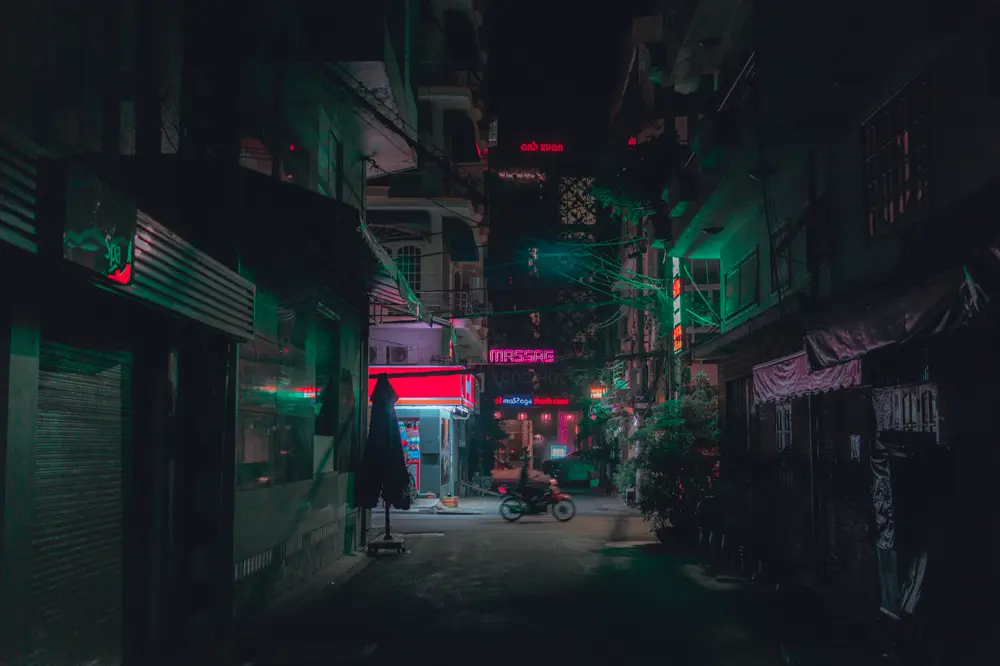
There is a specific kind of magic that happens when the flat, illustrative world of anime meets the volumetric depth of 3D light. Fans and digital artists alike are drawn to this fusion, creating wallpapers that feel less like static images and more like windows into another dimension. Whether you are looking to personalize your desktop or seeking a deeper understanding of this aesthetic trend, the intersection of three-dimensional rendering and anime character design offers a rich landscape of visual storytelling. This article explores the nuances of this style, why it resonates with modern audiences, and how it reflects broader cultural shifts in digital art.
- The Evolution of 3D in Anime
- Understanding the ‘Light’ Aesthetic
- Psychology of Digital Aesthetics
- Technical Aspects of Rendering
- Choosing the Right Visuals
The Evolution of 3D in Anime
Traditionally, anime has been defined by its two-dimensional nature. Hand-drawn cels and digital 2D animation created a distinct visual language that prioritized stylization over realism. However, the introduction of 3D animation and CGI has gradually reshaped the industry. Early attempts often struggled with the ‘uncanny valley,’ where characters looked human enough to be unsettling but not realistic enough to be comfortable. Today, however, the integration of 3D elements is seamless. Productions now use 3D for camera movements, background environments, and even character models, blending the best of both worlds.
For fans, this shift means that a anime series can offer a cinematic experience that was previously impossible in pure 2D. The sense of space and depth is heightened, allowing viewers to feel immersed in the environment. When this aesthetic is applied to wallpapers, it creates a static image that retains that dynamic, volumetric feel. The shadows are softer, the lights are more realistic, and the characters appear to occupy actual space on your screen rather than floating on a flat plane.
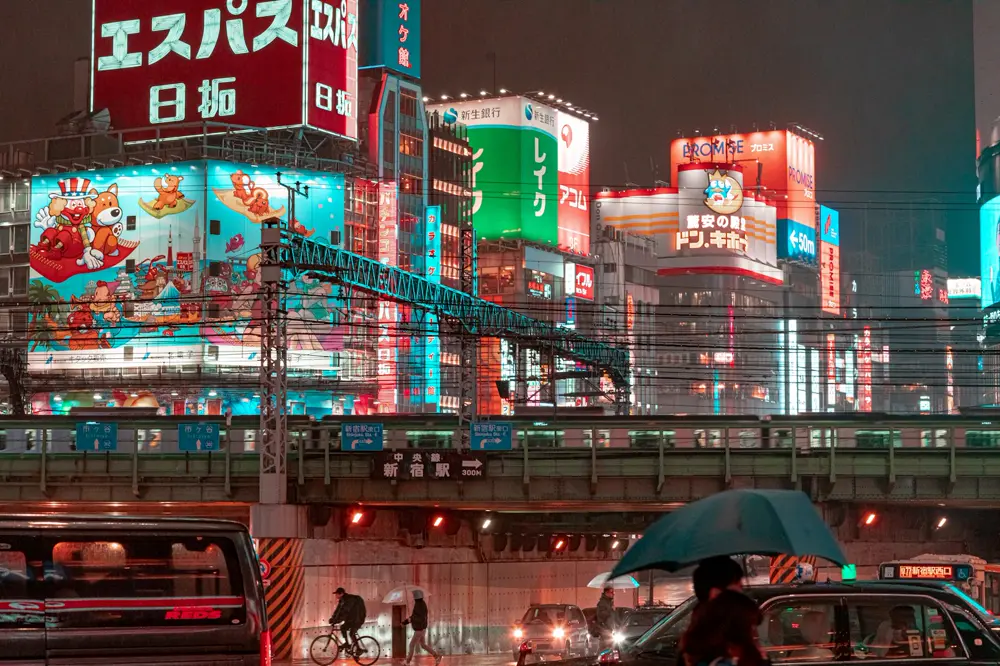
This evolution is not just technical; it is cultural. It reflects a generation of viewers who are comfortable with mixed media. They appreciate the precision of 3D modeling alongside the expressive freedom of 2D animation. The result is a visual style that feels modern, polished, and highly detailed. It is a testament to the adaptability of the medium and the relentless innovation of its creators.
Understanding the ‘Light’ Aesthetic
The term ‘light’ in the context of these wallpapers often refers to more than just illumination. It speaks to a specific mood and atmosphere. Lighting is the most powerful tool in 3D rendering. It defines the form, sets the emotional tone, and guides the viewer’s eye. In anime-inspired 3D art, lighting is often stylized to enhance the ethereal quality of the characters. Soft, diffused light creates a dreamlike quality, while harsh, directional light can add drama and intensity.
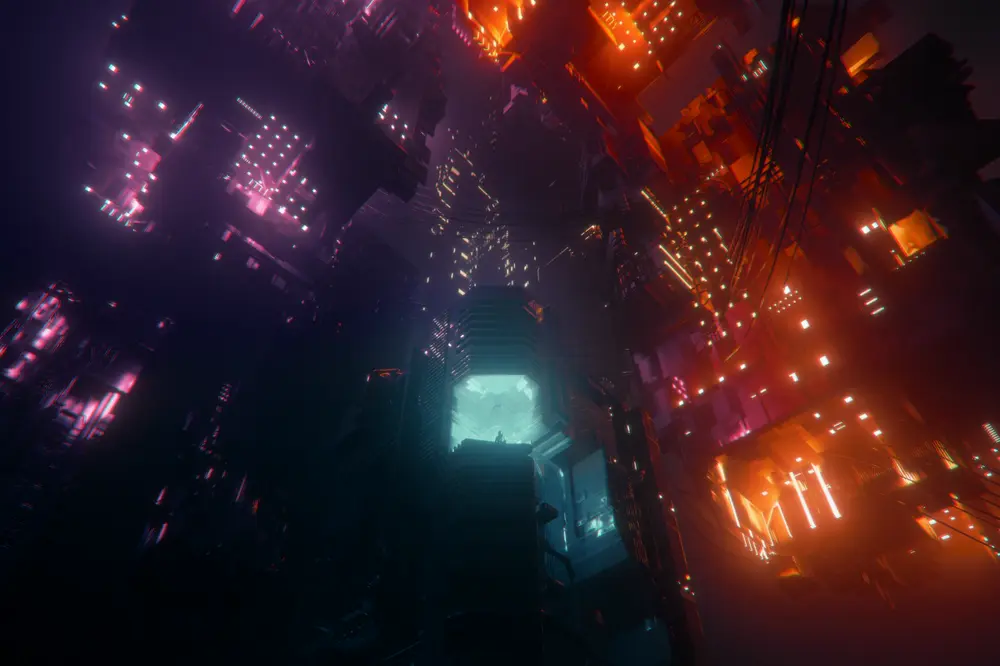
Common lighting techniques in this niche include:
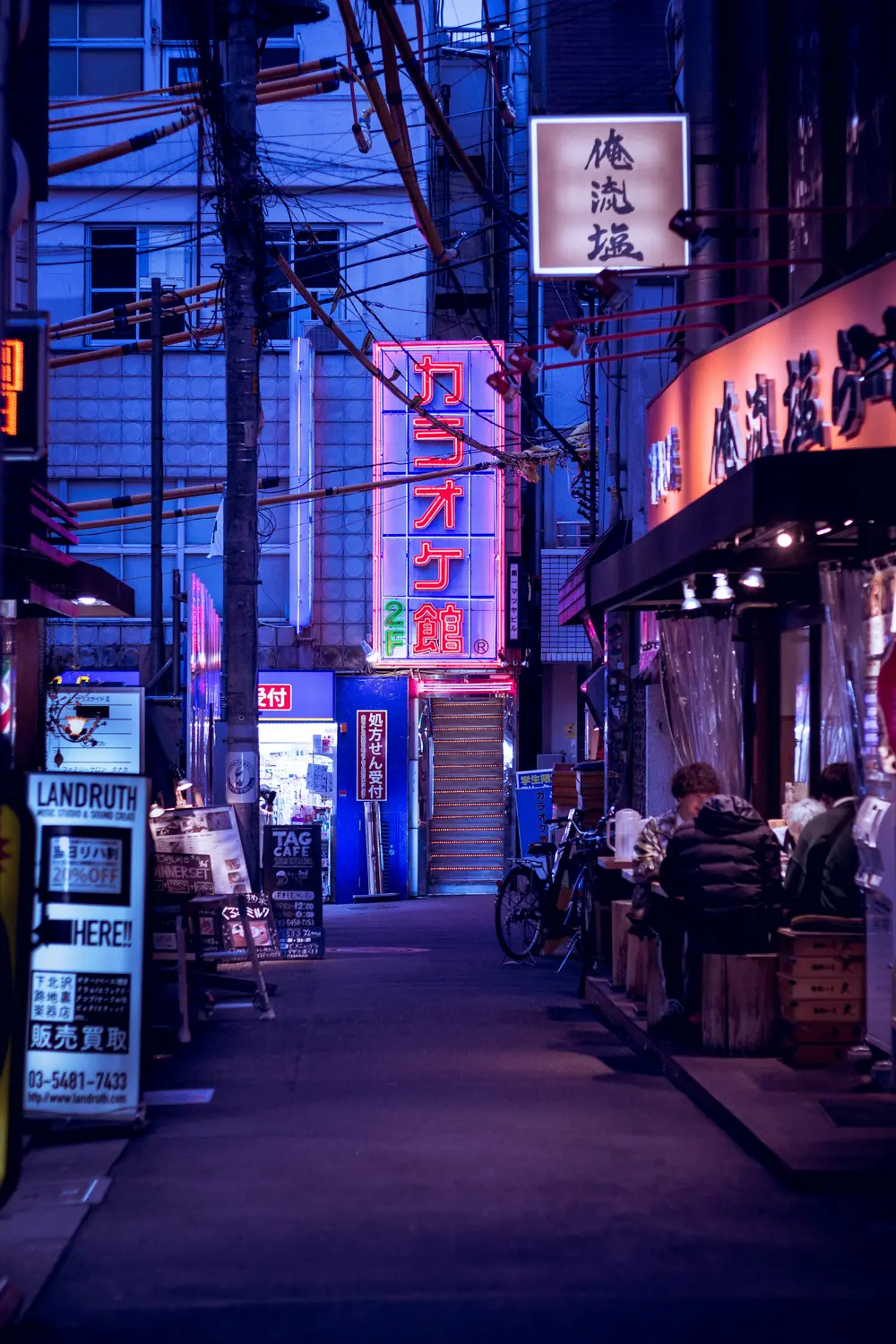
- Neon Glow: Inspired by cyberpunk themes, this uses vibrant, saturated colors to create a futuristic vibe. It is often associated with urban settings and high-energy scenes.
- Golden Hour: Warm, soft light that mimics the sun near the horizon. This evokes nostalgia, warmth, and a sense of peace. It is a popular choice for character portraits.
- Volumetric Fog: Light beams cutting through mist or dust. This adds depth and mystery, making the scene feel vast and atmospheric.
- Bioluminescence: Glow emanating from the character or environment. This is often used in fantasy settings to create a magical, otherworldly feel.
The interplay between light and shadow in these wallpapers is crucial. It is not just about making the image bright; it is about creating contrast and depth. The way light hits a character’s hair, the way it reflects off their eyes, and the way it casts long shadows on the ground all contribute to the overall impact. This level of detail is what separates a high-quality 3D light anime wallpaper from a simple digital illustration.
Psychology of Digital Aesthetics
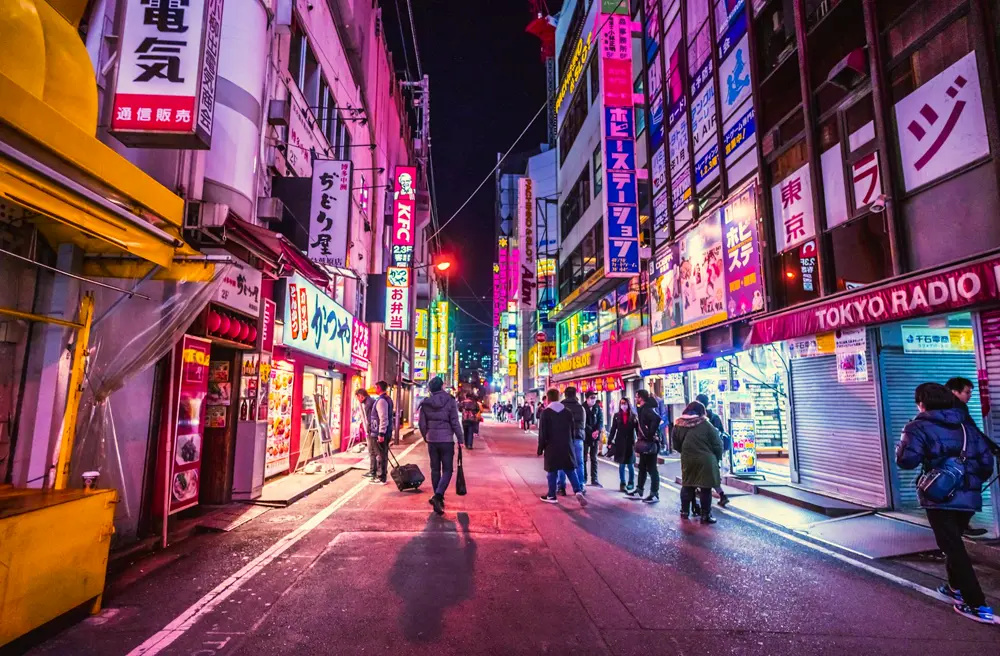
Why do people choose these specific types of wallpapers? The answer lies in the psychology of digital aesthetics. Our visual environment shapes our mood and cognitive state. A well-chosen wallpaper can reduce stress, increase focus, or simply provide a moment of joy. The anime aesthetic appeals to a wide range of emotional responses. It often features characters with expressive eyes and dynamic poses, which can evoke empathy and connection. When combined with 3D lighting, the effect is amplified. The realism of the light makes the scene feel tangible, while the stylization of the characters keeps it accessible and non-threatening.
Furthermore, the trend reflects a desire for escapism. In a busy, noisy world, a beautiful, serene, or futuristic digital landscape offers a mental break. It is a form of passive entertainment that is always present but never intrusive. For many, it is a way to express their identity and interests. Choosing a specific style of wallpaper is a subtle form of self-expression, signaling affiliation with a particular community or fandom. It is a shared language of visual culture that transcends geographical boundaries.
Technical Aspects of Rendering
Behind the beauty of a 3D light anime wallpaper lies a complex technical process. Artists and designers use specialized software to model, texture, and light their scenes. The choice of rendering engine can significantly impact the final look. Engines like Blender, Maya, and Unreal Engine offer different tools for achieving specific effects. For example, ray tracing is a technique that simulates the physical behavior of light, resulting in highly realistic reflections and shadows. This is particularly important for metallic surfaces, glass, and water, which are common elements in sci-fi and fantasy anime settings.
Texture mapping is another critical component. The resolution and quality of the textures determine how detailed the surface appears. High-resolution textures allow for intricate details, such as the weave of clothing or the pores of skin. However, in anime style, textures are often simplified to maintain the clean, illustrative look. The artist must strike a balance between realism and stylization. This is where skill and artistic vision come into play. The goal is not to create a photorealistic image, but to create a visually compelling one that fits the anime aesthetic.
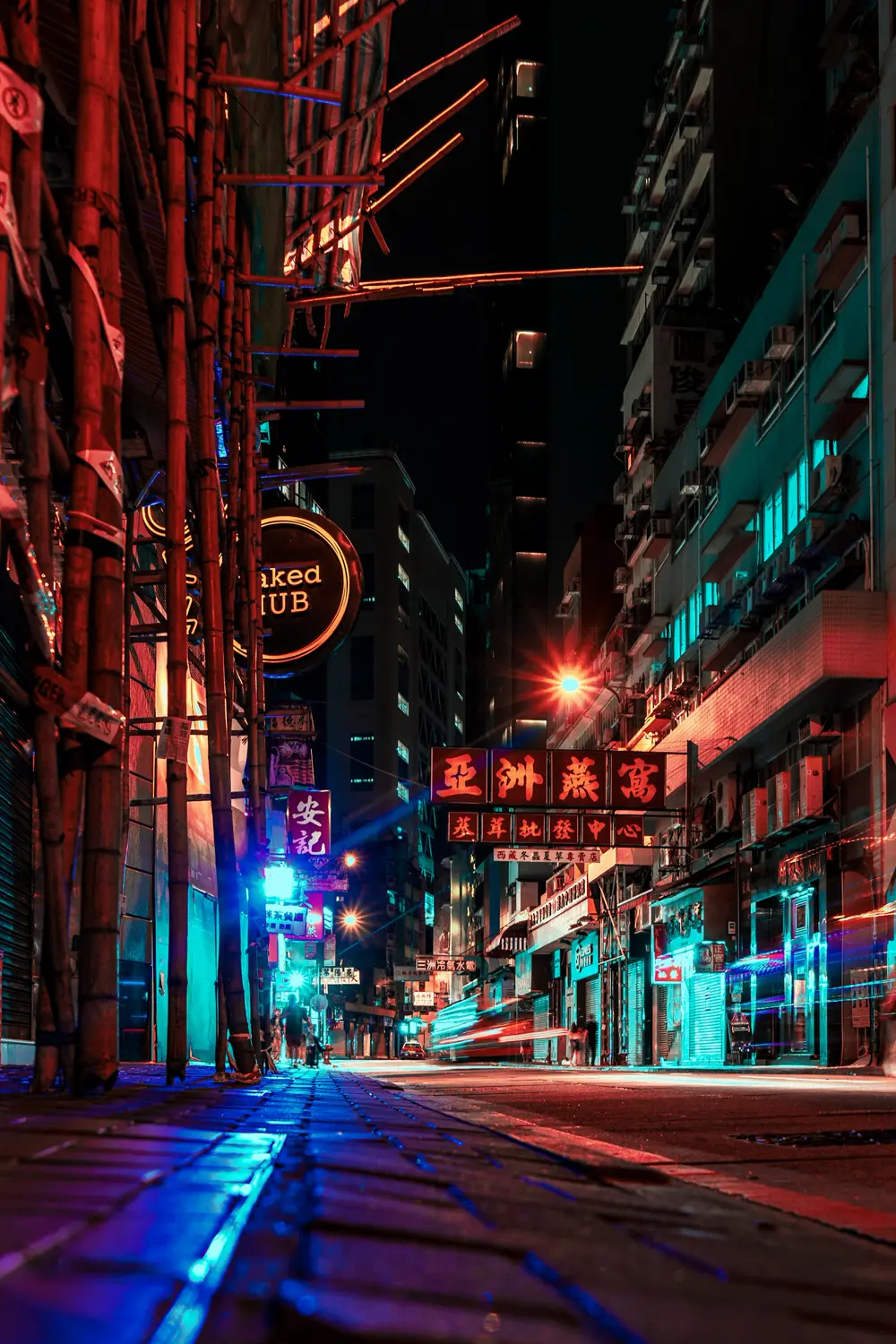
Post-processing is the final stage, where the rendered image is adjusted for color grading, contrast, and sharpness. This step is crucial for creating the final mood. A slight shift in color temperature can change the entire feel of the image. Adding a subtle vignette or lens flare can enhance the cinematic quality. These adjustments are what give the wallpaper its polished, professional look. They are the finishing touches that make the difference between a good image and a great one.
Choosing the Right Visuals
When selecting a 3D light anime wallpaper, consider the context in which it will be used. If it is for a work or study environment, choose something that is calming and not distracting. Soft colors and serene scenes are ideal. If it is for a gaming setup, you might prefer something more dynamic and vibrant. Neon lights and high-contrast scenes can enhance the gaming experience. The resolution and aspect ratio are also important factors. Ensure that the wallpaper matches your screen’s resolution to avoid pixelation or stretching. High-quality, high-resolution images are essential for a crisp, clean look.
Personal preference is, of course, the most important factor. Choose an image that resonates with you emotionally. Does it remind you of a favorite character? Does it evoke a specific memory or feeling? If so, it is the right choice for you. A wallpaper is not just a background; it is a companion to your daily digital activities. It should bring you joy and inspiration. Take the time to explore different styles and find the one that speaks to you. The world of 3D light anime wallpapers is vast and diverse, offering something for everyone.
Conclusion
The fusion of 3D technology and anime artistry has created a new visual language that is both beautiful and meaningful. It reflects the evolution of digital media and the changing tastes of modern audiences. By understanding the technical and psychological aspects of this trend, we can better appreciate the effort and skill that goes into creating these images. Whether you are an artist or a fan, the world of 3D light anime wallpapers offers a rich source of inspiration and enjoyment. It is a testament to the power of technology to enhance art and connect people through shared visual experiences.
Frequently Asked Questions
- What makes a 3D anime wallpaper different from a 2D one?
3D wallpapers use volumetric lighting and depth of field to create a sense of physical space, whereas 2D wallpapers rely on flat planes and stylized perspective. 3D images often have more realistic shadows and reflections. - Are these wallpapers suitable for professional environments?
Yes, if you choose neutral tones and calm scenes. Avoid overly bright neon colors or chaotic compositions if you need to maintain focus during work. Subtle, high-quality images are generally acceptable. - How can I find high-resolution versions of these images?
Look for sources that specify the resolution (e.g., 4K, 8K). Official artist portfolios or dedicated high-resolution wallpaper sites are best. Avoid low-quality websites that compress images significantly. - Do I need expensive hardware to display these wallpapers?
No, a standard monitor can display these images. However, high-end monitors with better color accuracy and contrast will show the details of the lighting more beautifully. - Can I customize the lighting of a 3D anime wallpaper?
Generally, no, unless you have the source files and 3D rendering skills. Most wallpapers are static images. However, you can use image editing software to adjust brightness, contrast, and color balance to suit your preferences.
Related posts:


Plenty more backgrounds are waiting in the related collections below — keep browsing until one sticks.
Share this page with a friend who is hunting for a fresh background.
