
Embracing the Soft Macabre: The Rise of Lavender Skull Aesthetics
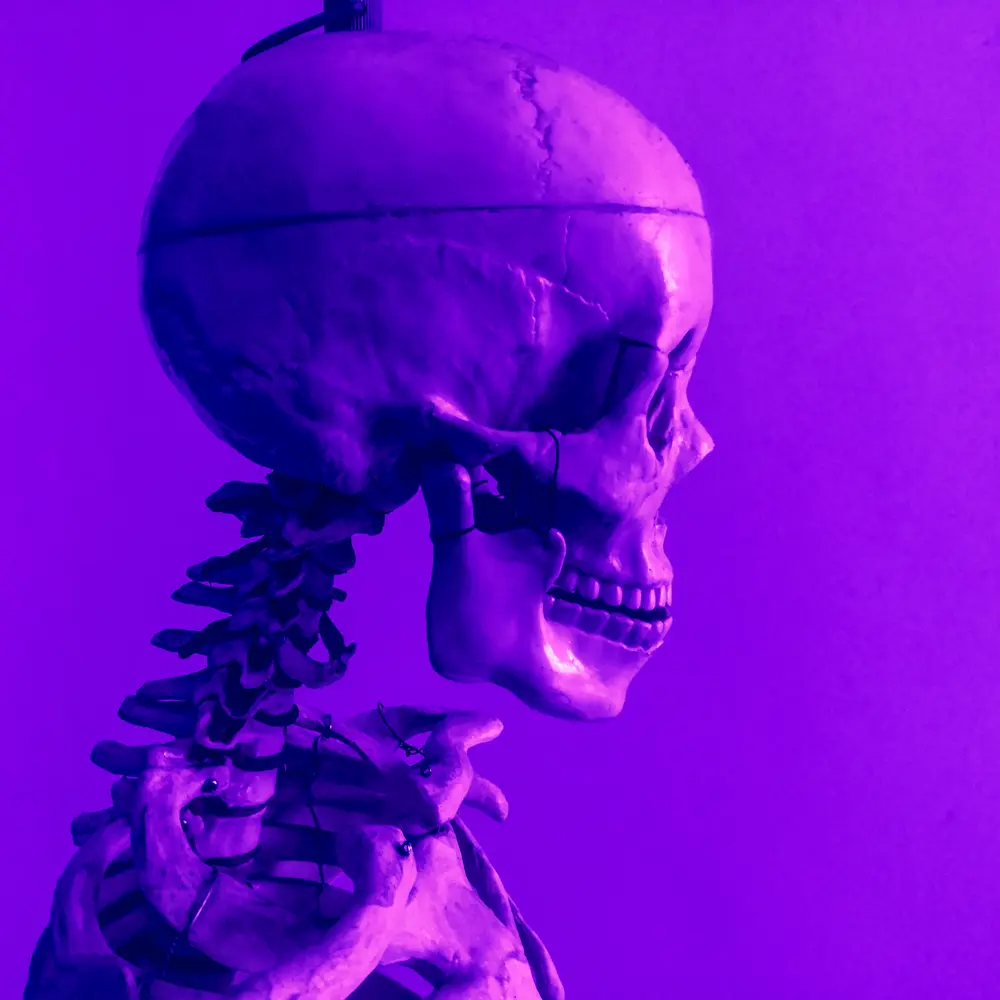
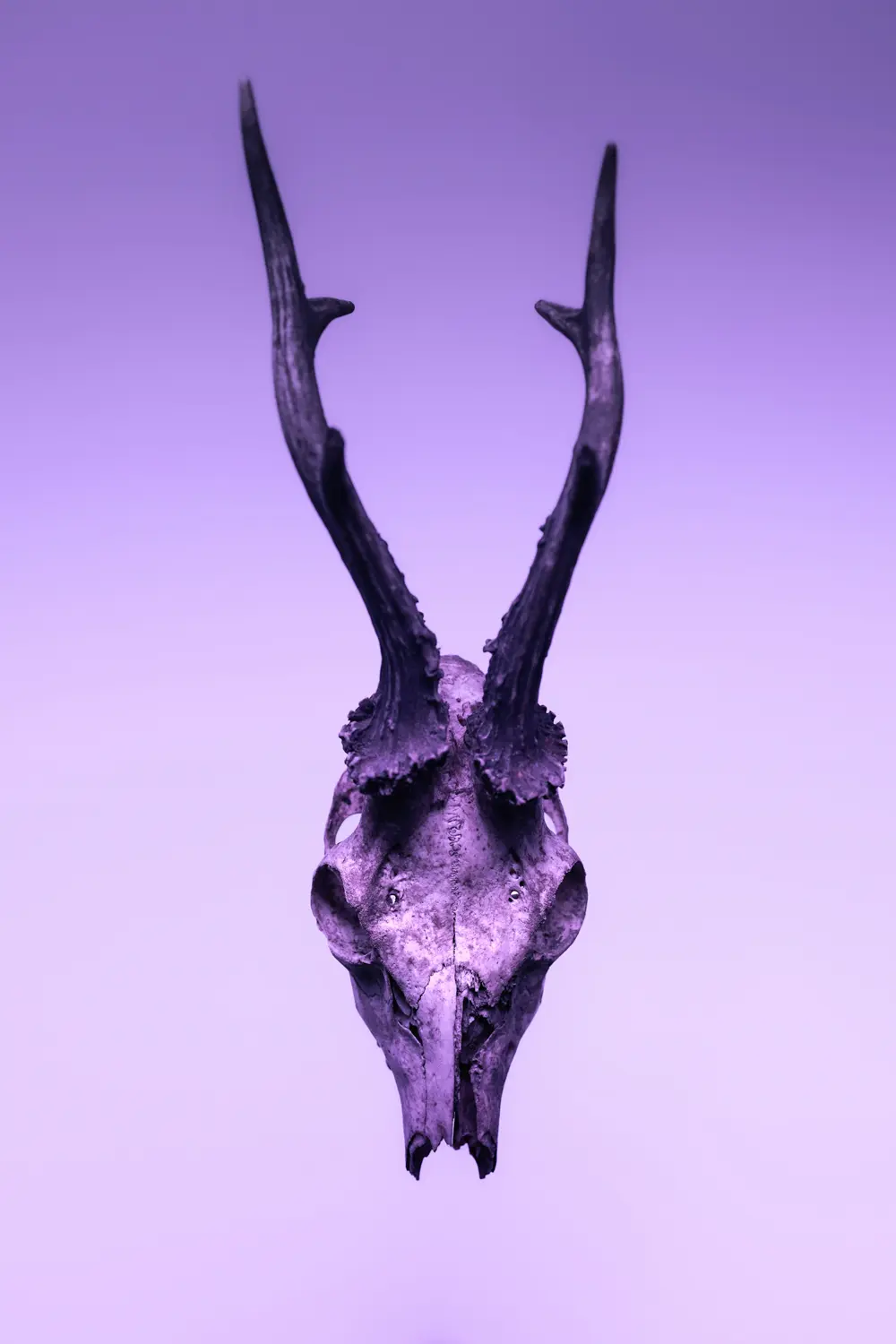
In the contemporary digital landscape, visual trends often oscillate between extreme minimalism and overwhelming maximalism. However, a unique niche has emerged that balances these two poles: the lavender skull wallpaper texture. This aesthetic, often categorized under the broader umbrella of pastel goth, combines the inherent morbidity of skull imagery with the soothing, ethereal qualities of lavender hues. It is a study in contradictions—life meeting death, softness meeting hardness, and tranquility meeting rebellion.
Choosing a wallpaper is no longer just about filling a screen; it is about setting a mood, expressing an identity, and creating a sensory experience through digital textures. When we look at a lavender skull pattern, we aren’t just seeing a pattern; we are experiencing a curated atmosphere that can transform a sterile desktop into a space of creative inspiration.
- Understanding the Lavender Skull Aesthetic
- The Role of Texture in Digital Wallpapers
- Color Theory and Complementary Palettes
- Technical Specifications for High-Resolution Textures
- Creative Applications in Digital and Physical Design
Understanding the Lavender Skull Aesthetic
To truly appreciate the appeal of a aesthetic that utilizes such contrasting elements, one must delve into the psychology of the imagery. The skull is a universal symbol of memento mori—a reminder of mortality. Traditionally, this imagery is associated with dark, heavy colors like black, deep red, or charcoal. However, by shifting the color palette to lavender and lilac, the meaning shifts from fear to reflection and grace.
This trend allows users to engage with gothic subcultures in a way that feels modern, approachable, and visually calming. It is an essential part of the pattern-driven design era where repetition and motif create a sense of rhythm. Whether the skulls are stylized as minimal line art or rendered as hyper-realistic 3D objects, the lavender backdrop provides a cohesive, soothing foundation that prevents the macabre elements from feeling overwhelming.
The Role of Texture in Digital Wallpapers
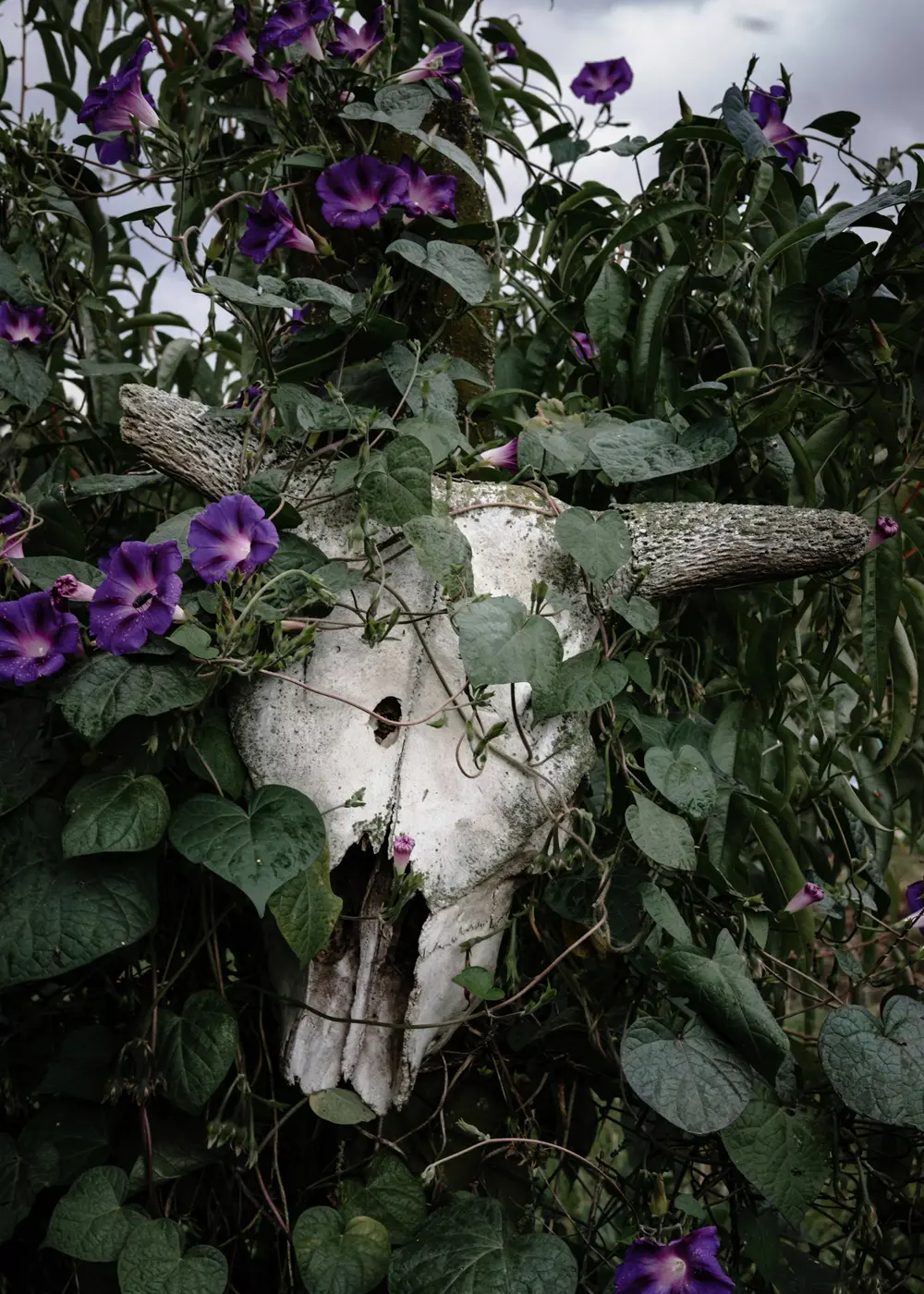
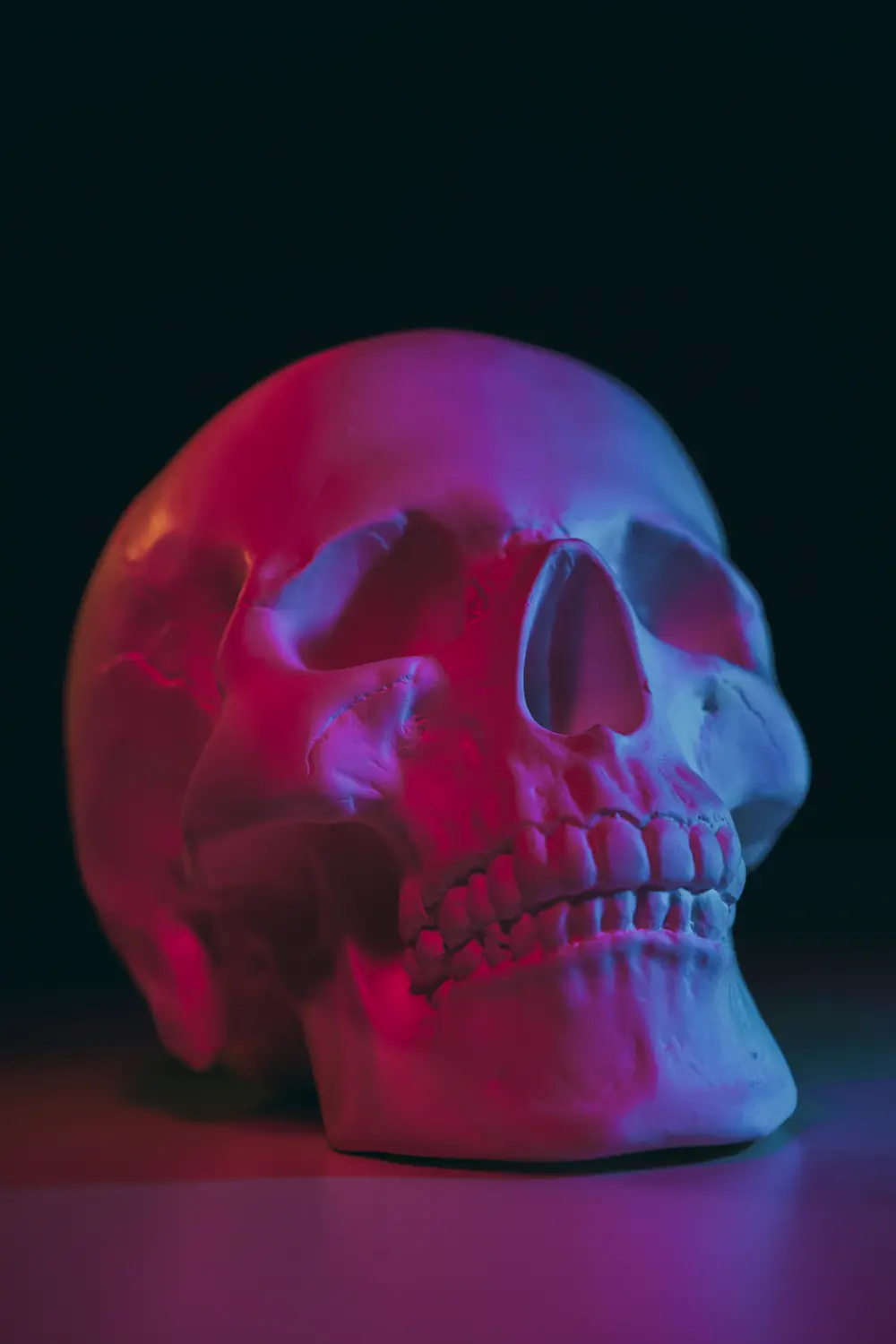
Texture is the “secret ingredient” that separates a flat, amateurish image from a professional-grade wallpaper texture. In the context of a lavender skull design, the texture dictates the emotional weight of the piece. A smooth, vector-based texture might feel clean, modern, and pop-art inspired, whereas a grainy, distressed texture evokes a sense of vintage nostalgia or grunge.
Grainy and Distressed Textures
Many enthusiasts of the soft goth movement prefer a textured look that mimics film grain or old paper. Adding a subtle noise filter to a lavender background can make the skull imagery feel more integrated and less like a sticker placed on a background. This creates a tactile quality that makes the digital screen feel more like a physical object, such as a canvas or a weathered sketchbook.
Watercolor and Ethereal Textures
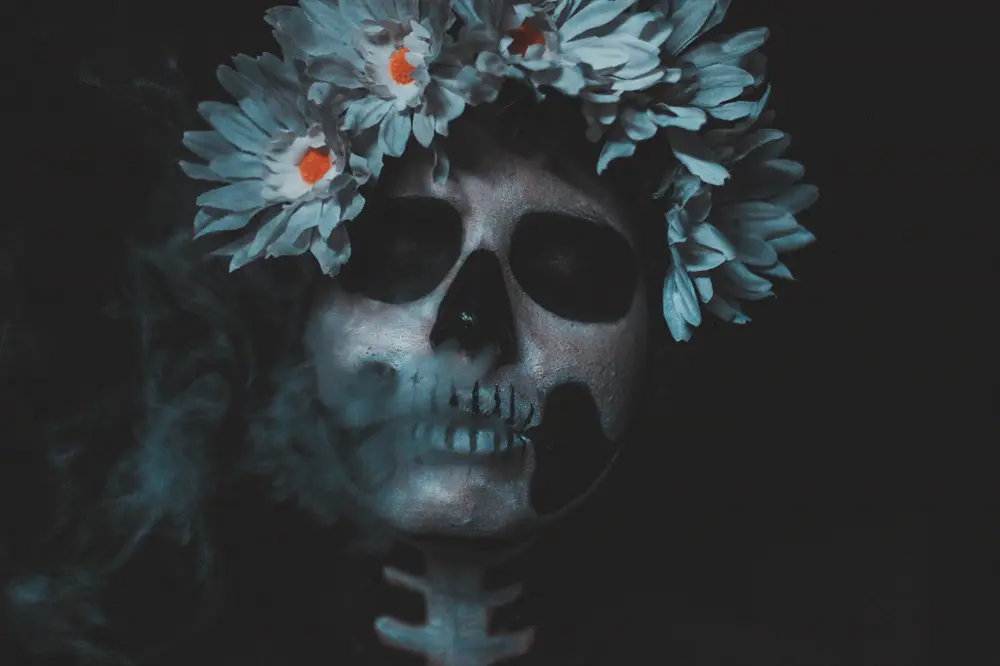
Another popular approach is the use of watercolor textures. Here, the lavender isn’t a solid block of color but a series of bleeding pigments, soft washes, and delicate gradients. When paired with skull motifs, this creates a dreamlike, ethereal atmosphere. It softens the edges of the skull, making the entire composition feel organic and fluid rather than rigid and anatomical.
3D and Material Textures
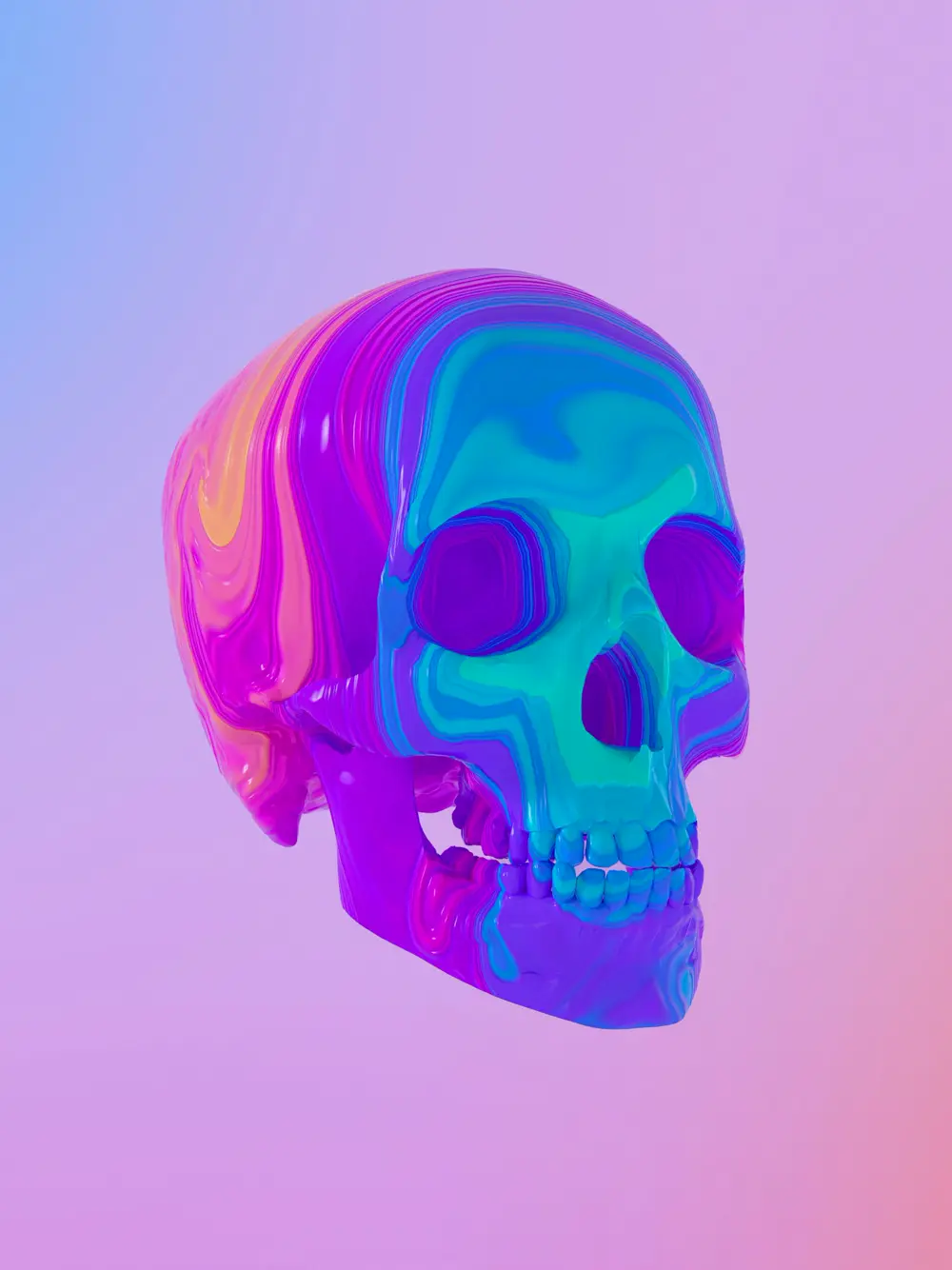
With the advancement of digital rendering, we are seeing a surge in 3D skull textures. Imagine a lavender skull that appears to be made of matte ceramic, polished marble, or even iridescent silk. These textures play with light and shadow, adding depth and dimension to the wallpaper. The way a specular highlight hits a lavender-colored 3D skull can create a mesmerizing visual effect that is perfect for high-resolution displays.
Color Theory and Complementary Palettes
The success of a lavender skull wallpaper relies heavily on color harmony. Lavender is a cool-toned color, sitting between blue and violet on the spectrum. To maximize the visual impact of the skull motif, designers often employ specific color strategies:
- Monochromatic Schemes: Using varying shades of lilac, violet, and deep plum to create a sophisticated, layered look.
- Complementary Contrasts: Introducing subtle touches of soft mint green or pale lemon yellow to make the lavender “pop” through color opposition.
- Neutral Grounding: Using soft greys, whites, or charcoal to provide a neutral stage that allows the lavender and the skull shapes to remain the focal point.
When selecting a texture, consider how the saturation and value of the lavender will interact with the skull. A high-saturation lavender can feel energetic and youthful, while a desaturated, dusty lavender feels more mature and calming.
Technical Specifications for High-Resolution Textures
To ensure that your lavender skull wallpaper looks crisp on any device, you must pay attention to technical specifications. A low-quality texture will result in pixelation and color banding, which ruins the aesthetic immersion.
Resolution and Aspect Ratio
For desktop wallpapers, aim for a minimum of 4K resolution (3840 x 2160). For mobile devices, ensure the aspect ratio is optimized for vertical viewing (usually 9:16). A high-resolution file ensures that even when the user zooms in to see the intricate surface details of the texture, the image remains sharp.
File Formats: PNG vs. JPEG
When dealing with complex textures, the choice of file format is critical. PNG files are lossless and are excellent for maintaining the fine details of grainy or watercolor textures without introducing compression artifacts. JPEG files are more compact and suitable for web use, but they may struggle with the subtle gradients found in lavender-toned designs. For the highest quality, always opt for lossless formats.
Creative Applications in Digital and Physical Design
While most people seek these designs for their screens, the utility of a lavender skull texture extends far beyond a simple background. Digital artists use these patterns as overlay assets in photo manipulation, adding a layer of atmospheric grit to their work. Social media creators utilize them as backdrops for aesthetic branding, creating a consistent visual identity that feels both edgy and soft.
In the physical realm, these patterns can be translated into textile design for apparel, such as streetwear or “alt” fashion. The combination of skull motifs and pastel colors is a staple in modern subculture fashion. Additionally, high-resolution textures can be printed on stationery, journals, or even home decor items like throw pillows, bringing a touch of macabre elegance into a living space.
Conclusion
The lavender skull wallpaper texture is more than a passing trend; it is a sophisticated intersection of color theory, cultural symbolism, and digital artistry. By balancing the heavy symbolism of the skull with the lightness of lavender, this aesthetic provides a unique way for users to express their complex identities. Whether you are looking for a calming desktop backdrop or inspiration for your next graphic design project, understanding the nuances of texture, color, and resolution will help you master this beautiful, soft macabre style.
Frequently Asked Questions
1. What is the ‘Pastel Goth’ aesthetic?
Pastel goth is a subculture and visual style that combines traditional gothic elements (like skulls, crosses, and dark themes) with a pastel color palette (lavender, mint, baby pink). It seeks to soften the harshness of goth culture.
2. How can I make my skull wallpaper look more high-end?
Focus on texture. Instead of using flat colors, look for designs that incorporate materiality, such as marble, velvet, or watercolor effects. High-resolution (4K+) is also essential for a premium look.
3. What colors go best with lavender for a gothic theme?
For a classic look, pair lavender with charcoal or black. For a more modern, “soft” look, try pairing it with sage green, cream, or silver.
4. Can I use these textures for professional graphic design?
Yes, provided you use high-quality, high-resolution files. Lavender skull textures are excellent as background overlays or as part of a larger brand mood board.
5. Why is texture important in digital art?
Texture adds a sense of realism and depth. It breaks up flat surfaces and engages the viewer’s sense of touch visually, making the digital image feel more “real” and engaging.
Related posts:


Found a favourite here? Pastel Cyberpunk Wallpaper Download is the natural next stop on this trail.
Know someone whose screen needs a refresh? Pass this link along.
