
The Rise of Neon Fantasy in Digital Aesthetics
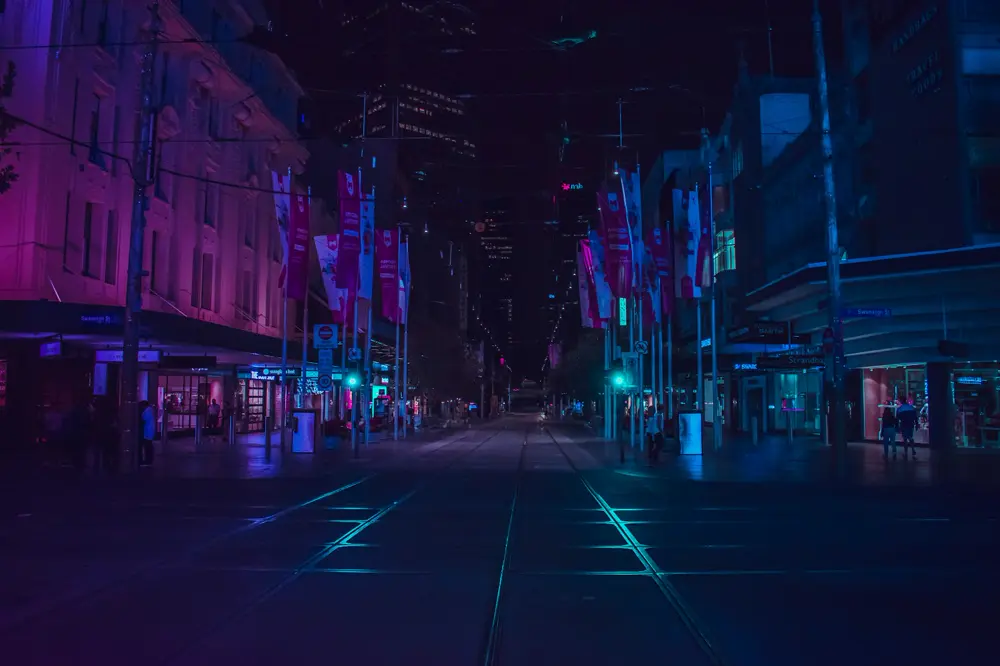
Modern digital art has evolved far beyond simple realism, embracing the vibrant, high-contrast allure of neon fantasy. This aesthetic merges the ethereal elements of high fantasy with the electric glow of cyberpunk and synthwave, creating a visual language that is both nostalgic and futuristic. Whether you are looking to customize your desktop, curate a social media feed, or design a gaming setup, understanding the core themes behind this style can help you choose images that truly resonate with your personal brand or mood. The appeal lies in the tension between magic and technology, where ancient runes glow with LED light and mythical beasts are rendered in chromatic aberration.
- Core Aesthetic Pillars
- Popular Sub-Genres
- Color Psychology & Mood
- Optimizing for Screens
- FAQs
Understanding the Core Aesthetic Pillars
The Fusion of Magic and Machine
At its heart, the neon fantasy style is defined by bioluminescence and circuitry. Artists often blend organic forms, such as dragons, elves, or enchanted forests, with hard-edged, geometric neon tubes. This juxtaposition creates a sense of wonder that feels accessible yet otherworldly. The use of light is not just decorative; it is structural. Shadows are deep and contrasting, while highlights are saturated to the point of glowing, mimicking the effect of long-exposure photography in a dark environment.
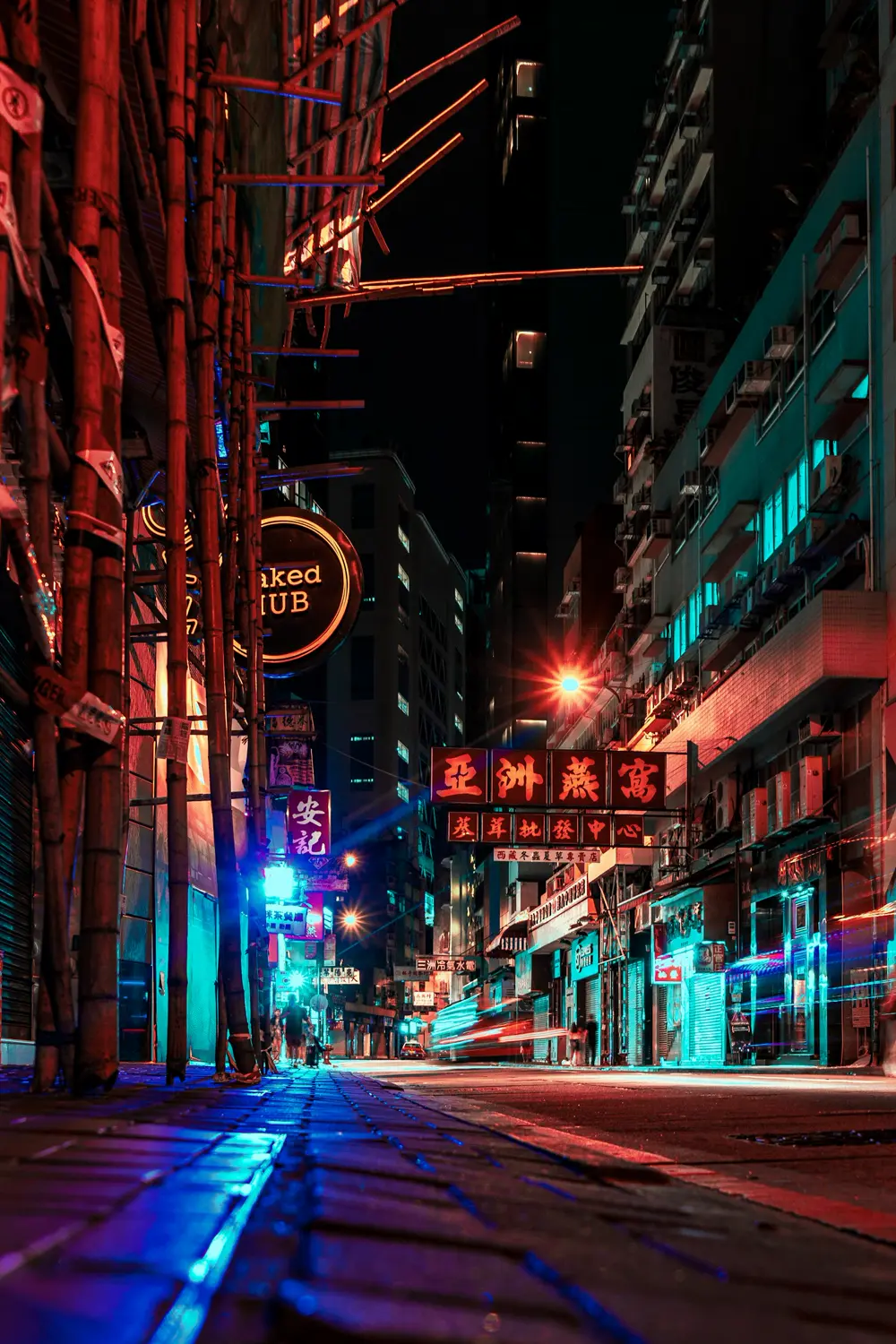
When selecting wallpapers, look for pieces that balance complexity with clarity. A common mistake is choosing images that are too cluttered, where the neon elements compete for attention rather than guiding the eye. The best pieces feature a clear focal point, such as a character’s eyes or a magical artifact, surrounded by a supportive background of mist, stars, or digital rain. For those interested in related visual trends, exploring cyberpunk aesthetics can provide further context on how urban decay meets technological advancement.
Lighting and Atmosphere
Atmosphere is critical in this genre. The lighting typically relies on rim lighting to separate subjects from their backgrounds, creating a three-dimensional feel on a two-dimensional screen. Common atmospheric elements include fog, rain, and lens flares. These elements add depth and texture, preventing the image from feeling flat. The color palette is usually limited to two or three dominant hues, often complementary colors like purple and orange, or blue and pink, to maintain visual harmony.
Popular Sub-Genres to Explore
Synthwave and Retro-Futurism
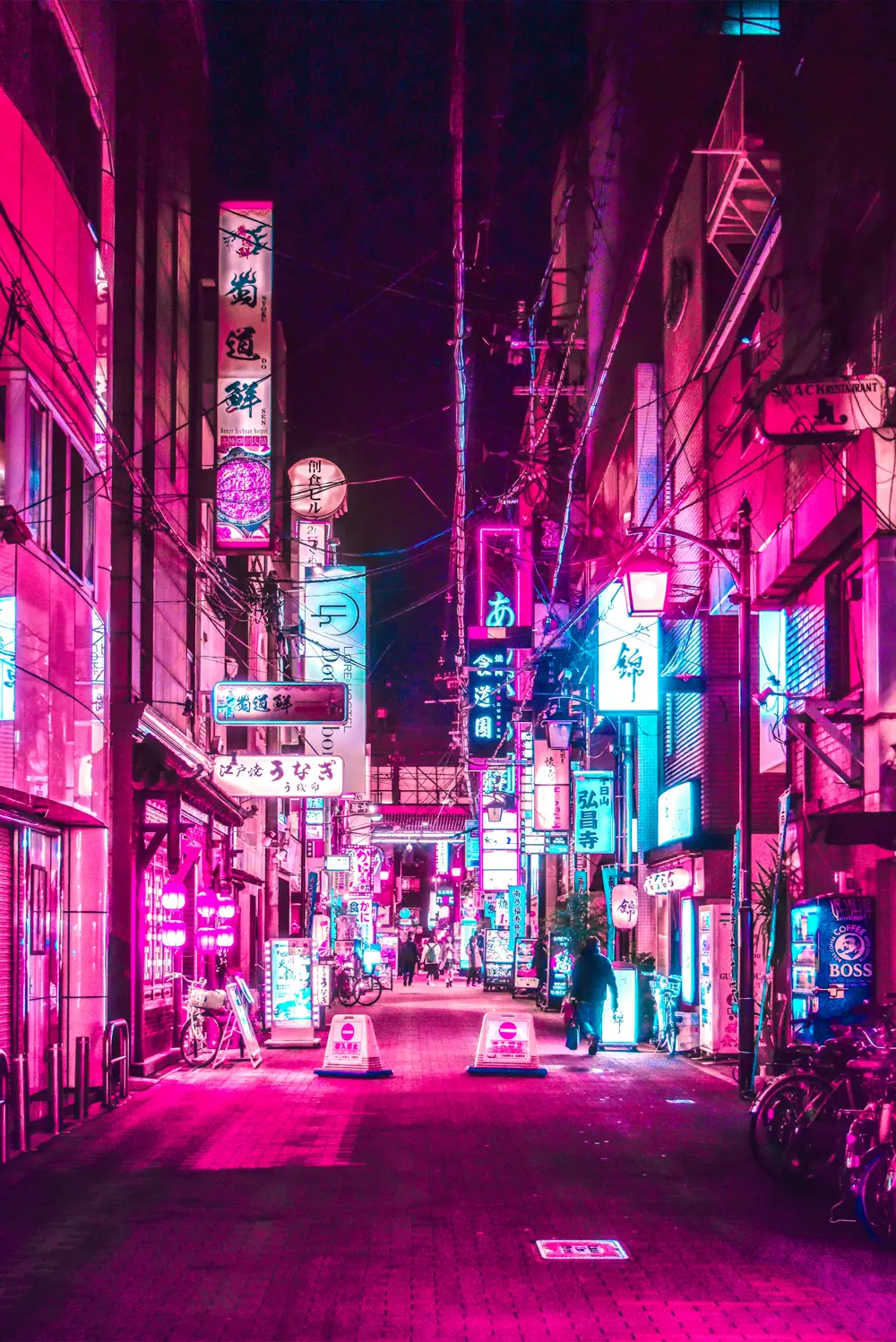
One of the most enduring themes is the sunset grid or retro-futurism. This sub-genre draws heavily from the 1980s, featuring chrome, palm trees, and vast horizons bathed in magenta and cyan light. It evokes a sense of optimism and speed, often associated with driving through empty landscapes. This theme is particularly popular among gamers and car enthusiasts who value a sense of motion and nostalgia. It serves as a digital escape from the mundane, offering a stylized version of the future that was imagined decades ago.
Dark Fantasy and Gothic Neons
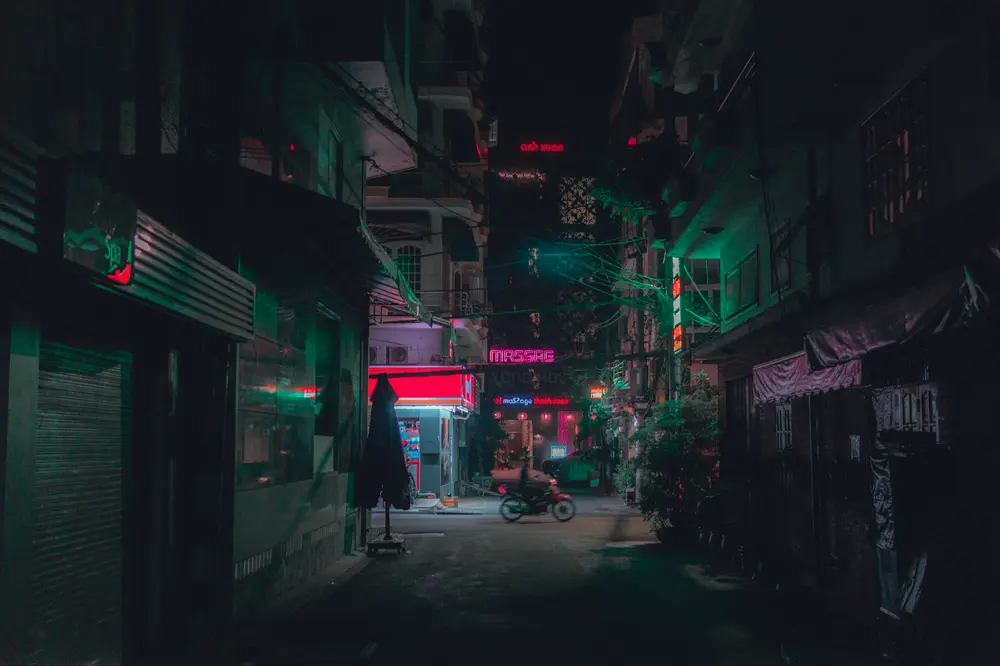
In contrast to the bright optimism of synthwave, dark fantasy themes utilize neon to highlight horror or mystery. Here, the light sources are often cold blues, sickly greens, or blood-reds. The imagery might feature gothic architecture, skeletal structures, or shadowy figures. The neon elements in these wallpapers serve to illuminate the darkness, creating a sense of unease or danger. This sub-genre appeals to fans of horror games and dark literature, offering a sophisticated take on the traditional spooky aesthetic. It is less about the glow and more about the shadow it reveals.
Biomechanical and Alien Flora
A more niche but rapidly growing area is the depiction of alien botany. These wallpapers feature plants and fungi that emit their own light, often in impossible colors. The structures are complex, combining the fractal nature of natural growth with the precision of artificial design. This theme is excellent for those who appreciate nature but want a sci-fi twist. It suggests a world where biology and technology have merged, creating a new form of life that is both beautiful and alien. For users interested in similar organic-digital blends, checking out biomech concepts can offer a deeper dive into this specific intersection.
Color Psychology and Mood Setting
Choosing the Right Hue
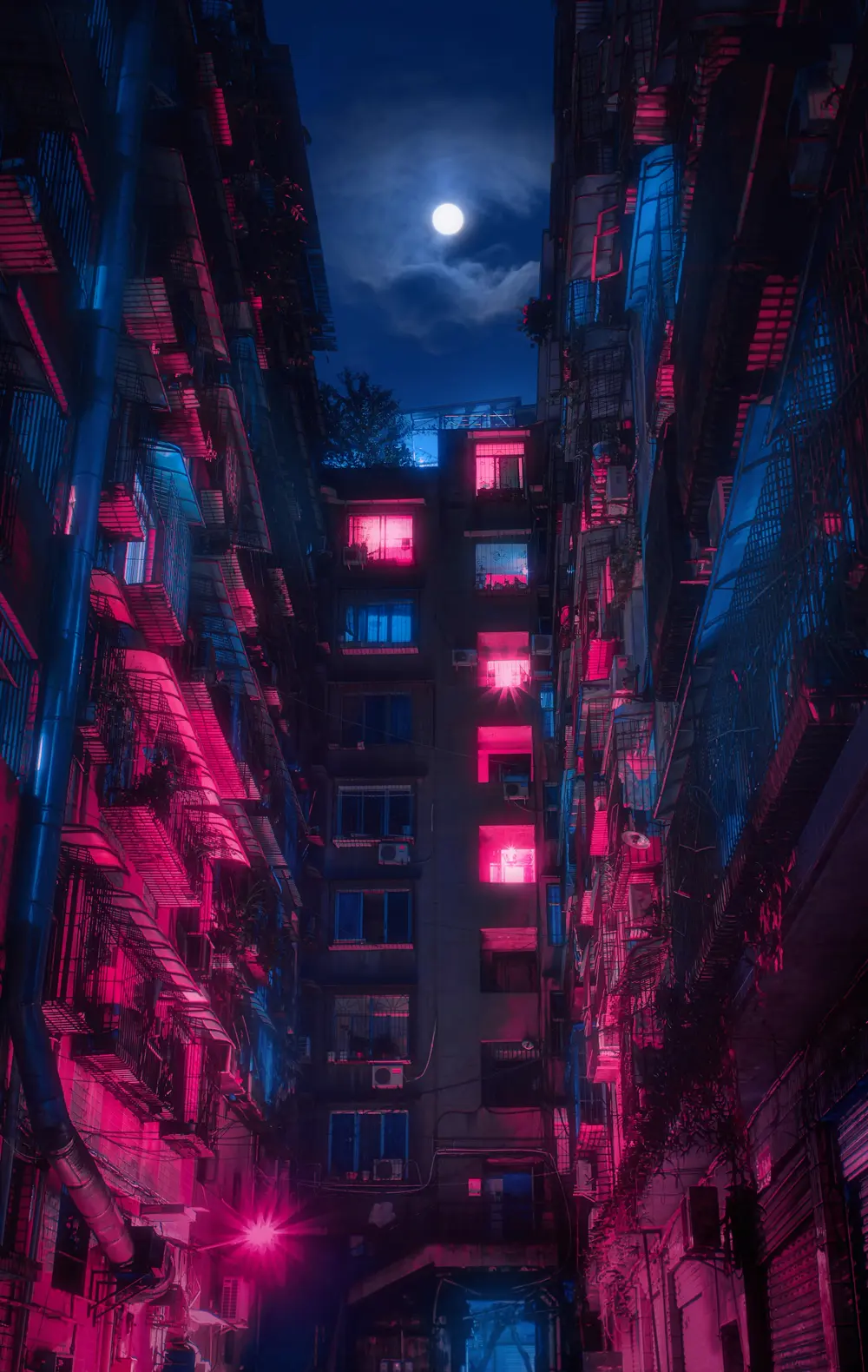
Color is the primary tool for emotional communication in neon fantasy. Purple and violet are associated with mystery, luxury, and spirituality. They are often used in scenes involving magic or the unknown. Cyan and blue convey calm, technology, and coldness, making them ideal for sci-fi or icy landscapes. Pink and magenta add energy, passion, and retro vibes, often used in urban or party-themed settings. Green is less common but powerful, suggesting toxicity, poison, or toxic magic. Understanding these associations helps you select a wallpaper that matches your desired emotional state or workspace vibe.
Optimizing Neon Wallpapers for Your Screen
Resolution and Aspect Ratio
To fully appreciate the detail in neon fantasy art, high resolution is essential. A 4K or 5K image is recommended for modern monitors to ensure that the fine lines of the neon tubes are crisp and not pixelated. Additionally, the aspect ratio must match your screen. A 16:9 ratio is standard for desktops, while 9:16 is preferred for mobile phones. Cropping a landscape image to fit a portrait phone can result in losing important focal points, so it is best to find images specifically designed for your device orientation.
Brightness and Contrast Settings
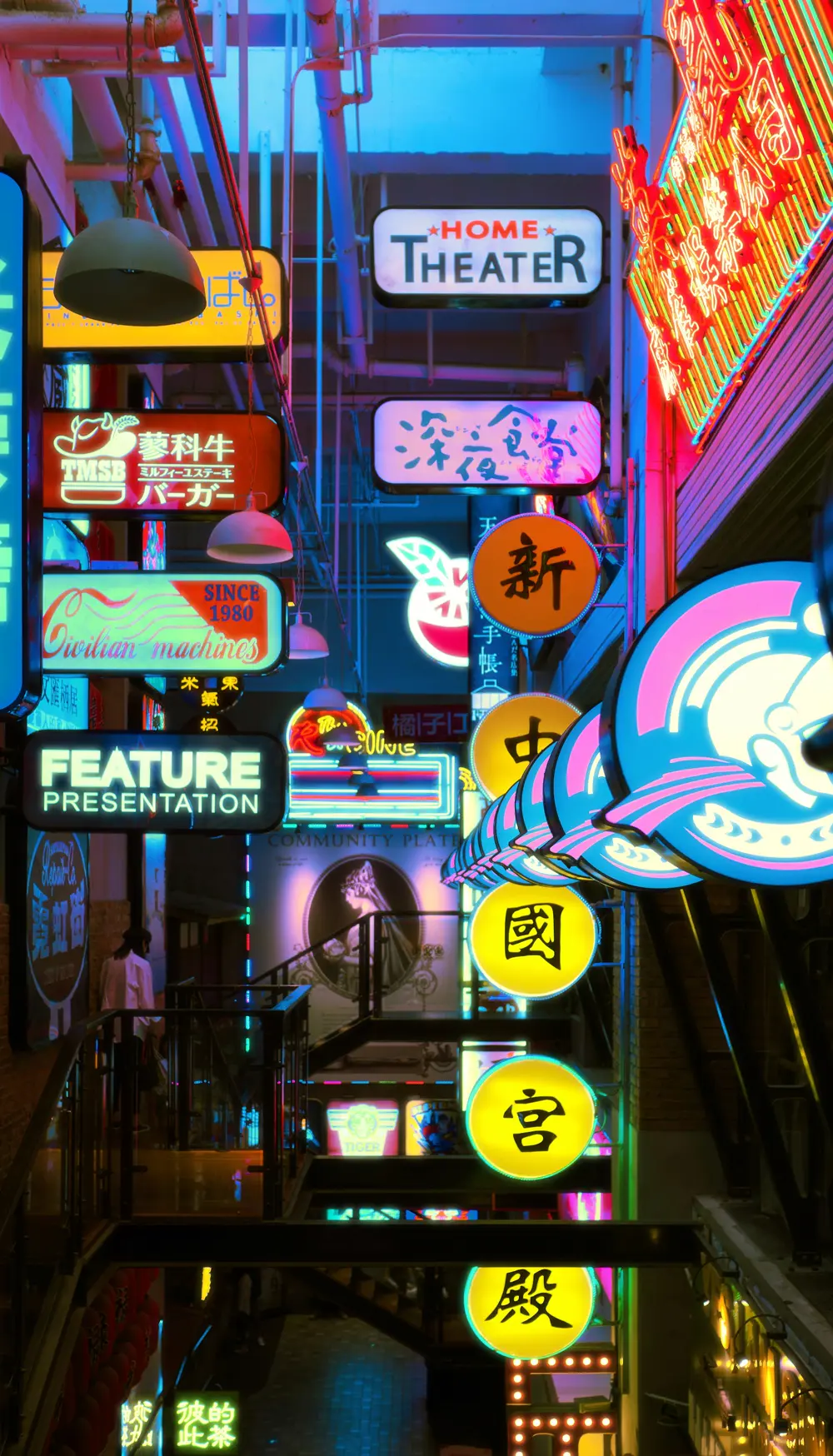
Neon wallpapers thrive on contrast. However, if your monitor has poor dynamic range, the bright neon elements may appear washed out or the dark areas may be crushed. Adjusting your monitor’s brightness and contrast settings can enhance the visual impact. Some users prefer to lower the overall brightness to make the neon pop, while others increase it to reveal details in the shadows. Experimenting with these settings can significantly improve the viewing experience. Furthermore, using a dark mode interface for your operating system can complement the dark backgrounds often found in these wallpapers, reducing eye strain and enhancing the immersion.
Conclusion
The neon fantasy aesthetic offers a rich and versatile palette for digital customization. By understanding the sub-genres, color psychology, and technical requirements, you can curate a collection of wallpapers that not only look stunning but also align with your personal style and functional needs. Whether you are drawn to the retro-futurism of synthwave or the mysterious depths of dark fantasy, there is a neon theme that can transform your digital space into an immersive experience. As technology continues to evolve, so too will the styles and techniques used to create these vivid images, ensuring that this aesthetic remains relevant and exciting for years to come.
Frequently Asked Questions
Q: What is the difference between neon fantasy and cyberpunk?
A: While they overlap, neon fantasy often focuses on magical or mythical elements rendered with neon lights, whereas cyberpunk is strictly sci-fi, focusing on dystopian cities, corporate control, and high-tech/low-life themes. Neon fantasy can include dragons or magic, while cyberpunk typically does not.
Q: How do I find high-resolution neon wallpapers?
A: Look for reputable digital art platforms or stock image sites that offer 4K or higher resolutions. Check the file size and dimensions before downloading. Avoid compressed JPEGs if possible, as they can introduce artifacts that ruin the smooth gradients of neon light.
Q: Do neon wallpapers drain more battery on OLED screens?
A: Generally, no. OLED screens turn off pixels for black colors. Since neon fantasy wallpapers often feature large areas of black or dark blue, they are actually energy-efficient on OLED displays. However, large areas of bright white or pure neon colors can increase power consumption slightly.
Q: Can I use neon fantasy themes for branding?
A: Yes, but with caution. The aesthetic is strong and specific. It works well for gaming, tech, music, and creative industries. For corporate or traditional brands, it may be too niche. Ensure the imagery aligns with your brand values and target audience.
Q: How can I create my own neon fantasy art?
A: Start with digital painting software like Photoshop or Procreate. Use layer blending modes like ‘Screen’ or ‘Add’ to create glow effects. Focus on layering light sources and using complementary colors. Study references from artists who specialize in this style to understand how light interacts with different surfaces.
Related posts:
If these hit the mark, Cream Synthwave Wallpaper: Aesthetic & Design Guide keeps the streak going with more aesthetic picks.
Bookmark this collection so your next wallpaper swap is one click away.
